
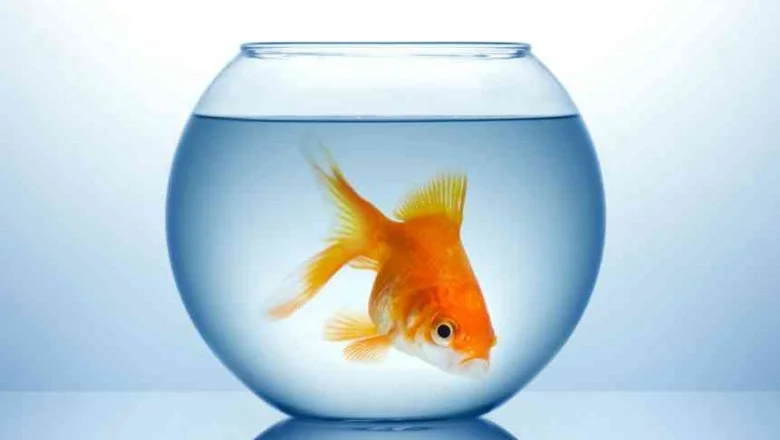
In this article we will examine how fish interact with water, the differences between freshwater and marine species, and the mechanisms that help them maintain water‑salt balance.
Freshwater fish: how do they cope with their watery habitat?
Freshwater fish live in rivers, lakes and ponds where the salt concentration in the water is far lower than in their bodies. This creates an osmotic gradient that constantly drives water to enter the fish’s body through the skin and gills.
Adaptation mechanisms of freshwater fish:
- Do not drink water: Freshwater fish do not actively drink water, as they obtain sufficient fluid through osmosis.
- Excess water elimination: Their kidneys work efficiently to expel surplus water. Freshwater fish produce large amounts of dilute urine.
- Active salt uptake: Through specialized cells on the gills they actively absorb salts from the surrounding water to compensate for losses.
Marine fish: how do they cope with a salty environment?
Marine fish live in conditions where the salt concentration in the water is higher than in their bodies. This creates the opposite problem: water tends to leave the fish’s body, which can lead to dehydration.
Adaptation mechanisms of marine fish:
- Active drinking: Marine fish actively drink seawater to compensate for fluid loss.
- Salt excretion: They possess specialized cells in the gills that help eliminate excess salt. The kidneys of marine fish also play a crucial role in excreting concentrated urine.
- Osmoregulation: Osmoregulatory mechanisms allow marine fish to maintain water‑salt balance despite the high salinity of their environment.
How do fish drink water?
The drinking process in fish differs from that of terrestrial animals. Marine fish swallow water through the mouth, and then special cells in the gills and intestine remove excess salt and absorb the needed water. Freshwater fish, on the contrary, avoid drinking and actively expel the excess water absorbed through the skin and gills.

Thus, the answer to the question “do fish drink water?” depends on their habitat. Freshwater fish do not actively drink water, as they obtain it via osmosis and eliminate the surplus, whereas marine fish actively drink seawater to compensate for fluid loss and excrete excess salt. These remarkable osmoregulatory mechanisms enable fish to survive and adapt to various aquatic environments.
Understanding how fish interact with water helps us better comprehend their biology and ecology, and can also contribute to improving conditions for keeping fish in aquariums and water bodies.