Start with the actual boat
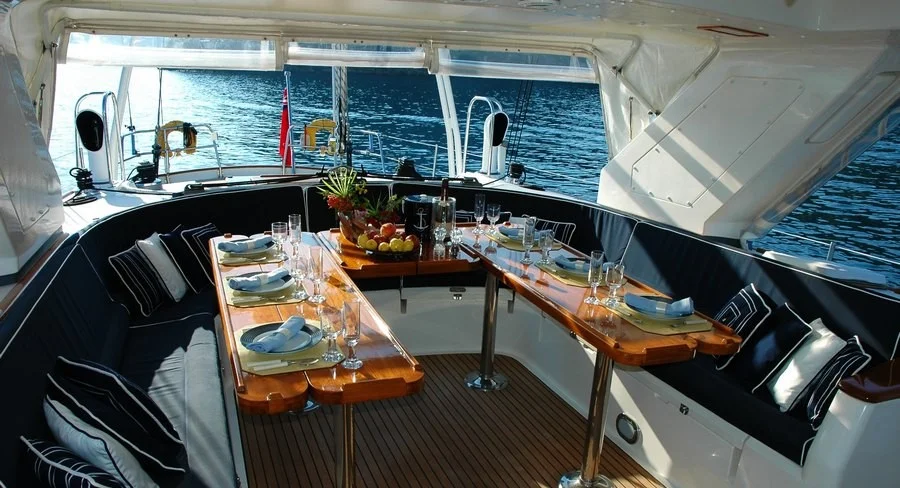
Check cabin numbers, berths and permitted passenger capacity in the documents for the selected yacht rather than relying on a model name. Discuss the route, skipper experience, insurance, included costs and weather-related changes. An attractive charter story cannot guarantee identical equipment on every boat.
Moving around and sharing space
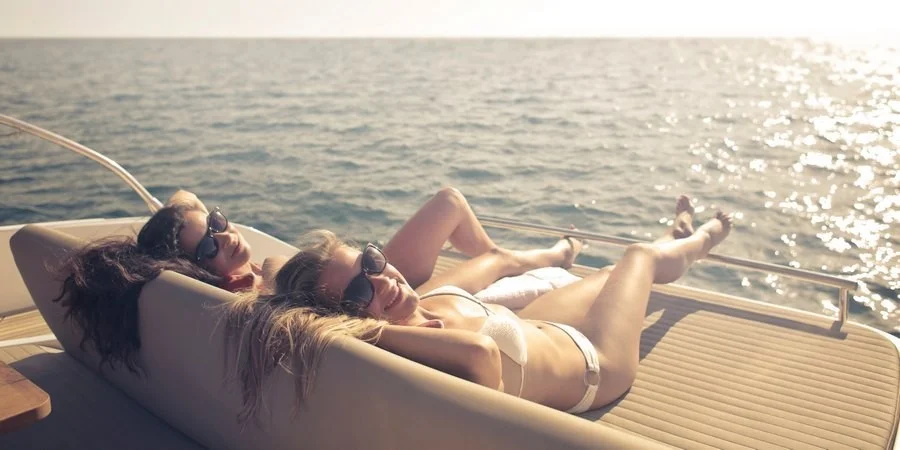
Before departure, attend a briefing on life jackets, safe movement, emergency procedures and storage. Agree with the captain where you may be while underway; the foredeck does not automatically make a safe sleeping place. Respect other people’s privacy and share cleaning and watches without expecting a guaranteed perfect group.
Water and provisions
Agree on shopping, allergies and available food storage in advance. Calculate drinking water with a reserve under the captain’s plan. Fresh catches cannot be the basis of the menu: fishing depends on local rules and conditions. Do not throw waste overboard and clarify how to use the sanitation system.
What to bring
Bring weather-appropriate layers, sun protection and suitable deck footwear with non-slip, non-marking soles; these properties matter more than a compulsory white colour. Check soft-bag dimensions against cabin storage. Prepare personal medicines and documents for your needs and insurance for the actual activities. Budget for agreed mooring, fuel and food costs rather than a universal sum from an old advertisement.
Travelling with children
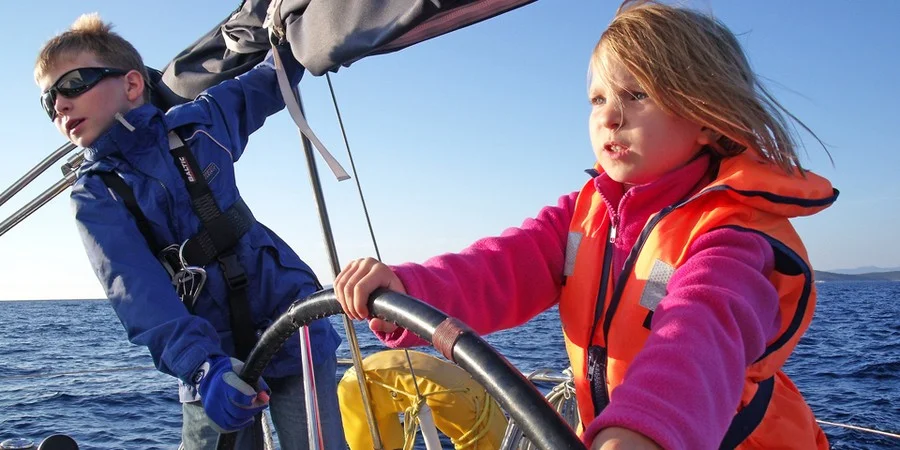
Discuss age, itinerary and conditions with the captain before paying. Choose suitable life jackets and designate adults responsible for continuous supervision. The skipper operates the vessel and does not replace a child’s accompanying adult. Plan a first outing with the option of a shorter passage and a return to shelter.