
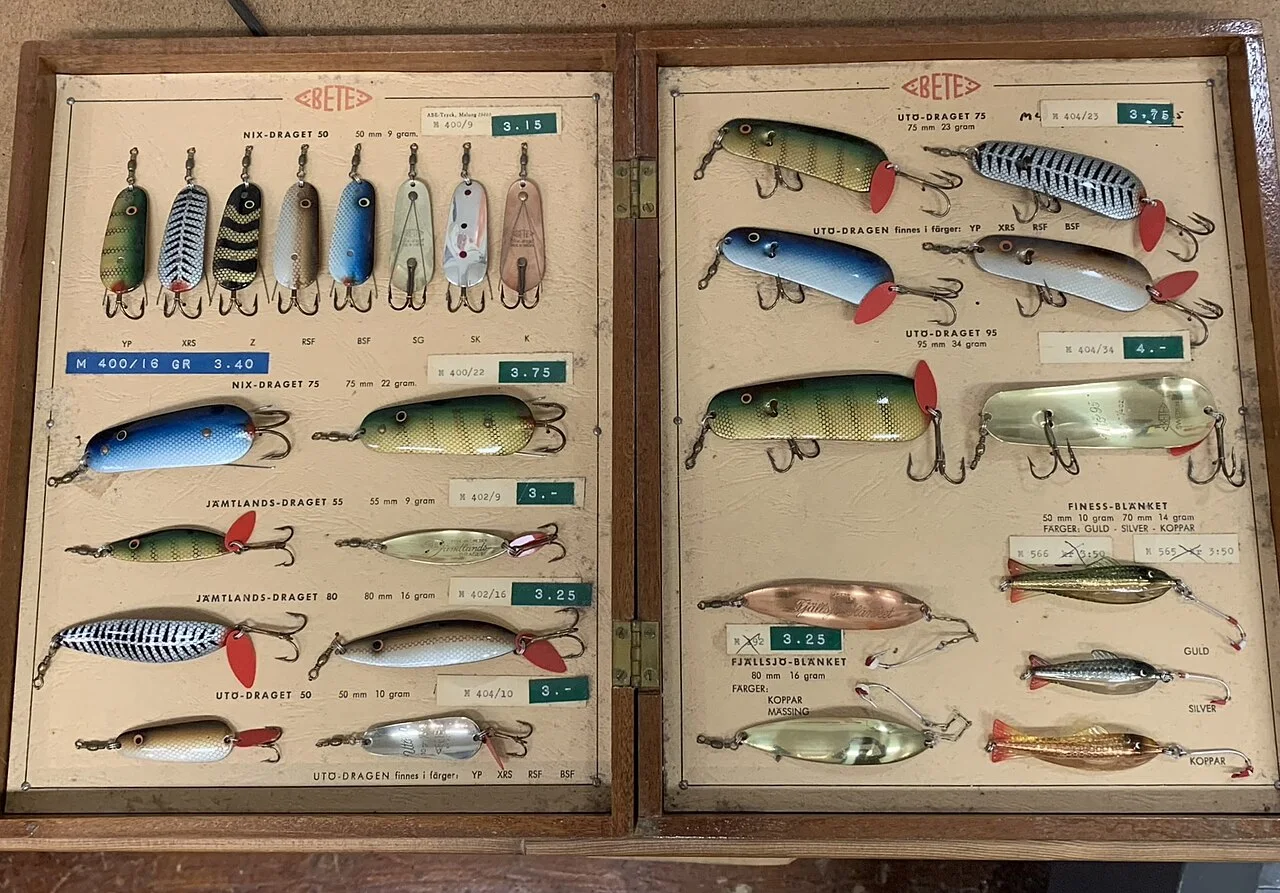
Editorial illustration SNASTI.NET.
When the fish aren't responding, changing the color seems the simplest action. However, without controlling depth and speed it's hard to know whether the lure was even in the right spot and how it performed there.
What to pay attention to
Start with retrieve depth
Check the depth you can retrieve at and the risk of snagging. At a new spot it’s useful to start with a clear, controlled presentation. If the gear keeps collecting vegetation, a different colour won’t eliminate that cause.
Compare the tempo
Keep the lure the same and change one element: speed, pause duration, or casting angle. Track where during the retrieve the contact occurred. This test can be repeated, whereas a random simultaneous change of the whole setup is harder to assess.
Then the appearance
When the presentation is controlled, compare the visibility of the lures in the current lighting and water clarity. Don’t draw conclusions about the whole season after a single cast. Record the conditions together with the result.
Work with the conditions you see
Record observations together with time, location, and presentation method. Change one variable at a time; otherwise it’s unclear what produced the result. A short note after the trip is more useful than a rushed conclusion about the entire body of water: water level, lighting and fish activity can shift even within a single day.
Practical summary
The aim of the experiment is to find a clear, workable technique for the specific situation. A small box of task‑specific lures often provides more useful comparisons than dozens of nearly identical shades.
Next step: open angler’s calendar and map of spots, to link the recommendations with a specific outing. Check current access to the chosen area before you go.