Find the fish first
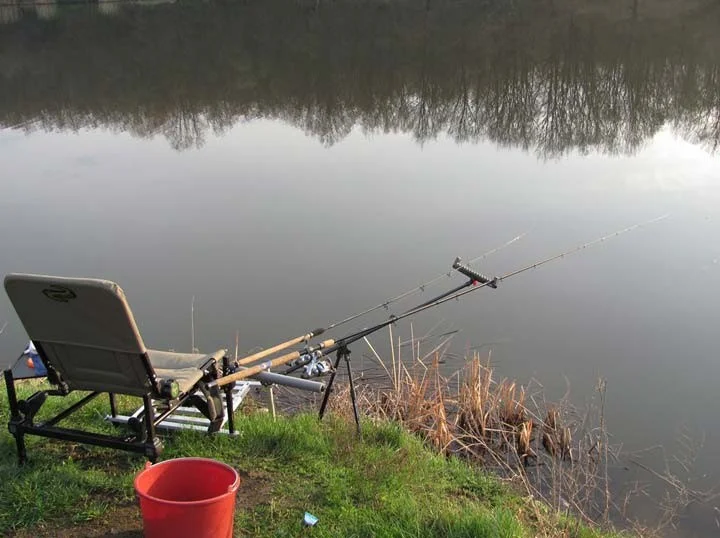
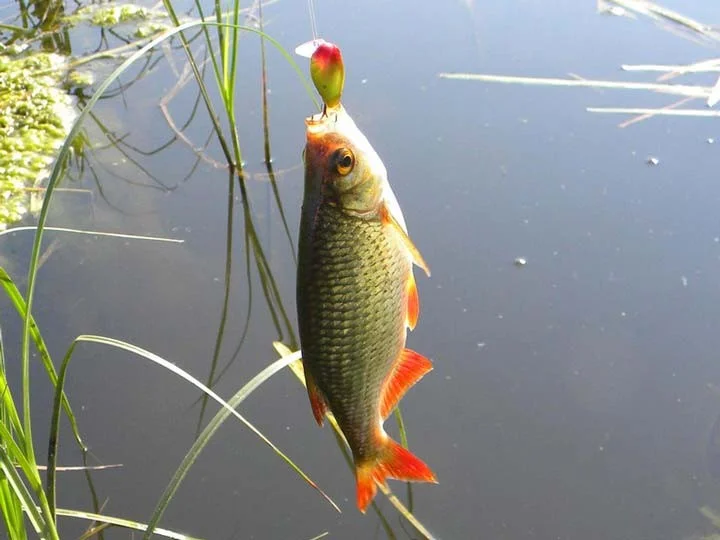
Examine accessible vegetation edges and quiet bays, allowing for wind and safe access. Rudd can feed at different levels, so do not assign them one fixed depth. Mobile fishing may not need groundbait. When staying in one place, start with small quantities and watch the response.
A mix for float fishing
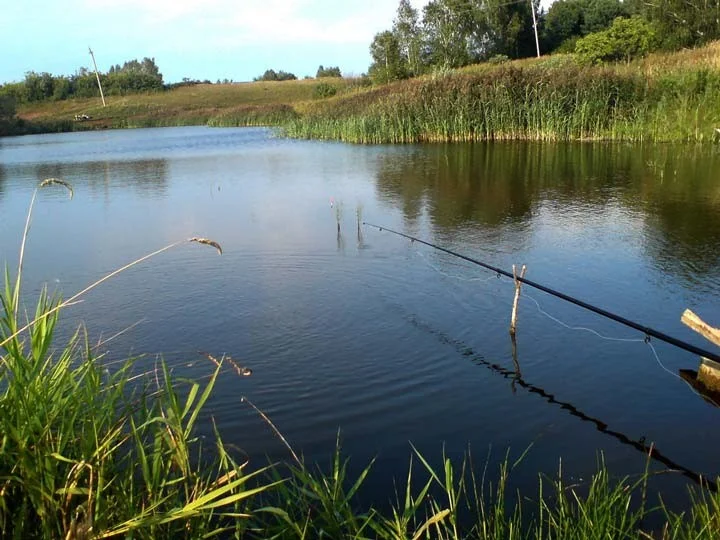
Breadcrumbs, bran and ground edible ingredients behave differently after wetting. Test a small portion near the bank: how quickly it breaks up and which particles float or settle. Water quantity and particle size control behaviour as well as smell. Do not add spoiled foods or unknown substances.
Surface feeding
Bread and suitable larvae may serve as hookbait and feed where permitted. Check buoyancy separately rather than expecting identical preparation times to guarantee it. Wind can move feed and fish away from the spot. Deliver small portions accurately and adjust bait depth through observation rather than a promise of immediate bites.
Feeder fishing and observation
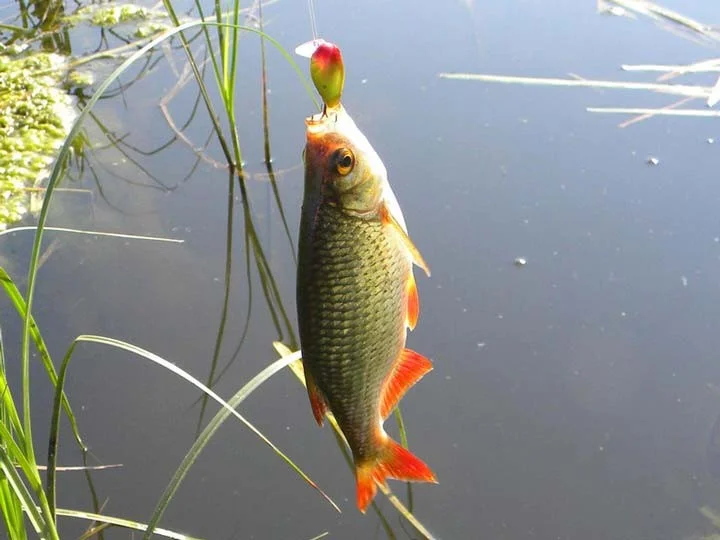
Check where feed leaves the feeder and how particles move. An active mix does not automatically create the desired column in every condition. Match the rig to depth and location rather than feeding solely to maintain a cloud. Flavouring cannot replace choosing a spot. Follow fishery restrictions, remove packaging and reduce feeding if fish do not respond.