
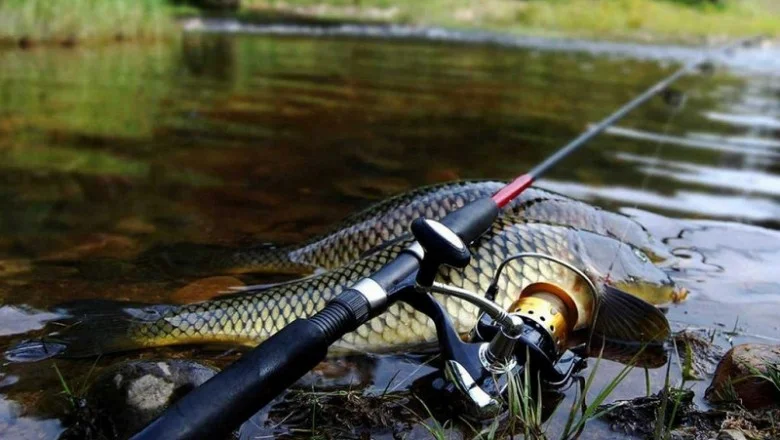
Start with the fish and conditions
There is no universal groundbait for every river species. When targeting bream, roach or carp, choose feed to suit the particular fish, expected size, water temperature and current. Predatory fish cannot automatically be fed in the same way as coarse fish, and plant ingredients are not every species’ favourite food.
Choose a distance and fishing spot before mixing. Even a suitable mix will do little if the current carries it far from your hook or your rig lands somewhere different on every cast. First check the bottom and whether the feeder holds position, then adjust your feeding.
Dry mixes, grain and additions
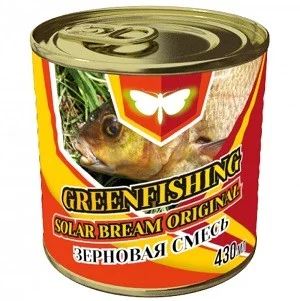
Breadcrumbs, cereals, ground seeds and seed cake are ingredients, not a compulsory shopping list for one bucket. A ready-made mix provides a convenient starting base; add prepared grain or live feed deliberately, in small amounts and in accordance with the fishery’s rules.
Large particles and fine ingredients do different jobs. Avoid mixing all your supplies at once: keep some base separate so you can adjust the recipe without spoiling the whole batch with one additive. The illustrations show products from the archive, rather than essential purchases.
Hookbaits are different from groundbait
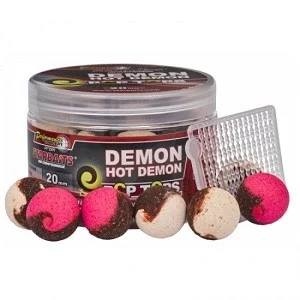
Groundbait is introduced to attract fish and hold them in an area; a hookbait goes on the hook or a hair rig. A buoyant pop-up boilie is a hookbait. Its buoyancy helps position the rig, but does not create a bed of feed by itself.
Test the completed rig in water at the bank before casting: the weight of the hook and other components changes how the boilie sits. Do not assume one product’s properties apply to all mixes, or treat the word “floating” as a promise of better fishing.
Flavours without miracle claims
Molasses and other liquid additives can change a mix’s smell and behaviour. Start with the manufacturer’s dosage; a stronger-smelling bucket does not necessarily perform better. Test an additive on a small portion and compare results while keeping presentation consistent.
Claims about attracting every fish or infallible “pheromones” are no substitute for observing bites. In clear, cold water or when fish are inactive, avoiding uncontrolled increases in feed is particularly useful.

Test the mix’s behaviour, not just its smell
Add water gradually, mix thoroughly and allow absorption as directed by the instructions. Test a portion in water: it should survive your chosen delivery method and release where you intend to fish. A mix that is too loose may wash out early, while one that is excessively sticky can remain in the feeder.
In flowing water, consider feeder weight, depth and current as well as feed consistency. Change one variable at a time so you can tell what improved presentation. A single breakdown time cannot suit every river.
A simple plan for a first session
Bring a familiar base, a suitable hookbait and one extra additive rather than ten flavours. Begin with a modest quantity, keep fishing the chosen spot and note when bites occur. Take packaging home and do not dump unwanted feed into the river simply to empty the bucket.