
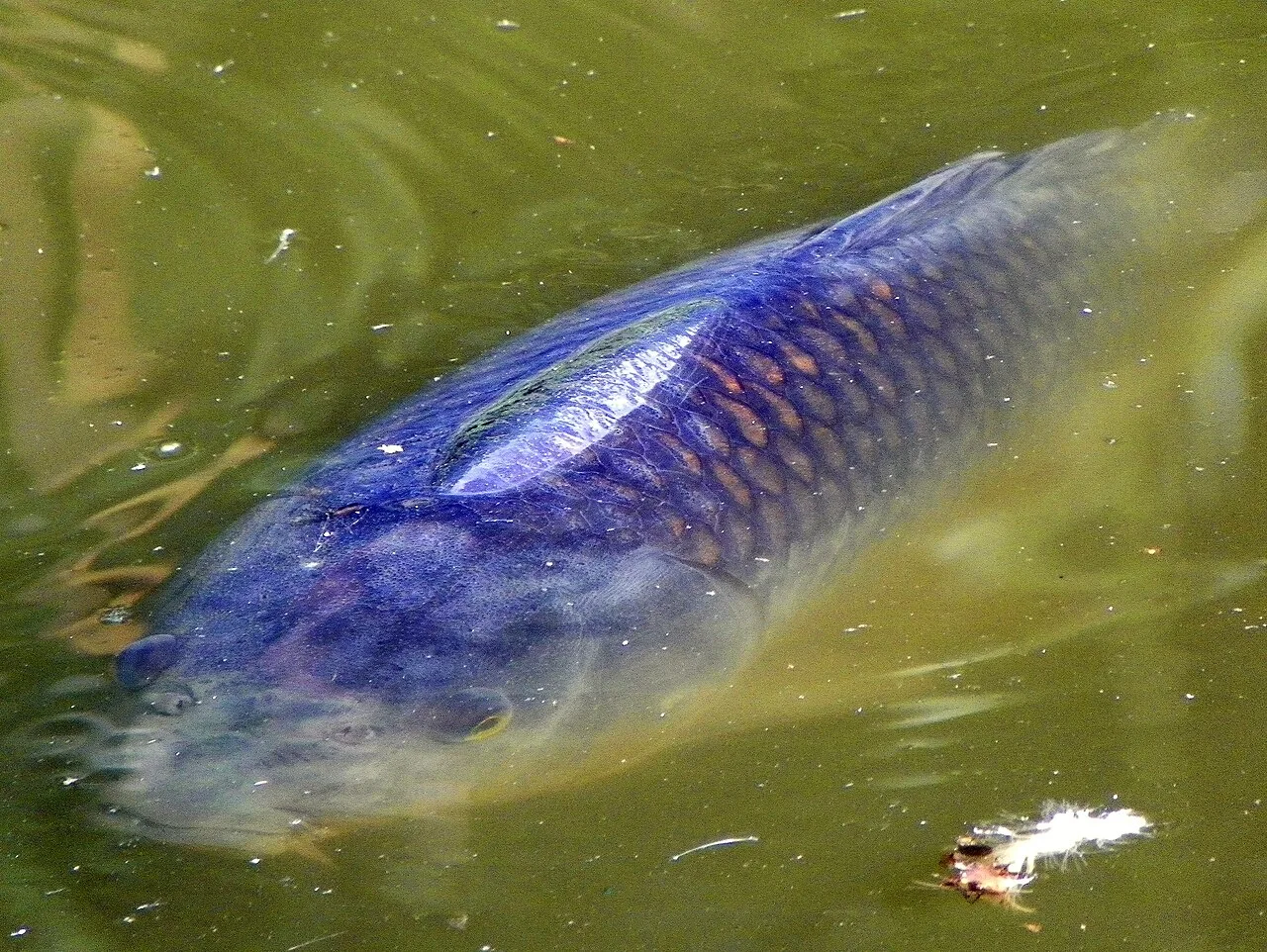
Dezidor · CC BY-SA 3.0 · Original photo · Photo usage conditions

When you plan to fish for a species like carp, it’s useful to separate locating a spot from checking your gear. A step‑by‑step analysis helps understand the cause of silence and avoid changing the entire setup at once.
What to pay attention to
Check the basics
Inspect the hook, leader and the rig position after a retrieve. Make sure the presentation really occurs in the chosen depth and that the bait or lure isn’t hidden by vegetation. Verify the gear’s functionality before adding new, more complex elements.
Compare two points
Examine the transitions between bottom sections and the edges of cover. For this species it makes sense to match the amount of groundbait with session length and actual contacts. Keep one presentation unchanged over several attempts to have a basis for comparison. Don’t pick a new spot at the cost of a risky approach to the water.
Keep a short log
Note exactly what you changed: distance, retrieve depth, bait or retrieve speed. Record not only successful results but also mistakes, snags and time spent. After a few trips such notes will let you distinguish a repeatable technique from a one‑off coincidence.
Work with the conditions you see
Record observations together with time, location, and presentation method. Change one variable at a time; otherwise it’s unclear what produced the result. A short note after the trip is more useful than a rushed conclusion about the entire body of water: water level, lighting and fish activity can shift even within a single day.
Practical summary
Silence on one spot doesn’t require an urgent purchase of a new kit. Warm‑water bottom fish. Start by studying the bottom structure and the waterbody’s rules. Pay attention to visible conditions, choose accessible spots and finish the fishing session with enough time for the drive home.
Next step: open the angler’s calendar and the location map, to link the recommendations with a specific outing. Check current access to the chosen area before you go.