
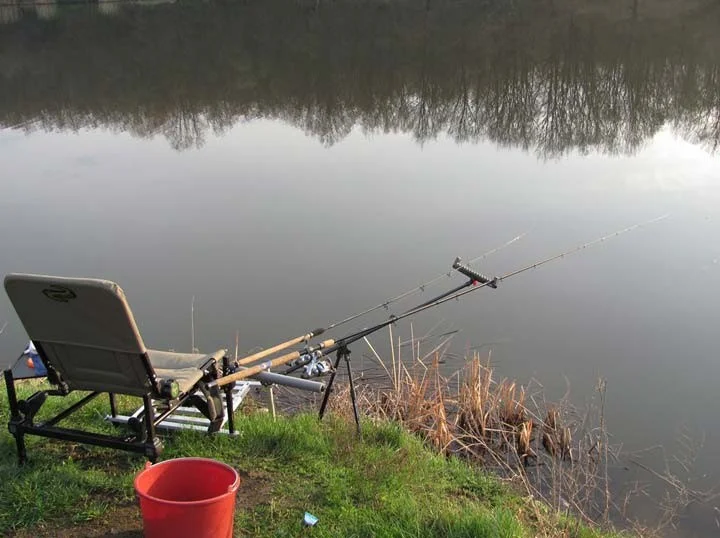
Editorial illustration SNASTI.NET.
A short feeder session calls for enough groundbait to attract fish without overfeeding them. A large amount of mix does not guarantee a quick fish approach, especially if distance and presentation have not yet been worked out.
What to pay attention to
Small start
Prepare the mix in batches, taking temperature and storage conditions into account. Check how the groundbait comes out of the feeder near an accessible shore. A clumped mass and an overly loose mix behave differently.
Tempo by signals
Assess bites and the condition of the bait after re‑casting. Do not maintain a fast tempo just by the clock if the rig constantly gets tangled or the bait is knocked off by small fish. First, eliminate the cause.
One change at a time
Compare feeder size, leader length and groundbait composition sequentially. Record after which change contacts appeared. A large number of simultaneous experiments makes analysis difficult even for a successful session.
Work with the conditions you see
Observations should be recorded together with time, location and presentation method. Change one parameter at a time, otherwise it is unclear what produced the result. A short note after the outing is more useful than a hasty conclusion about the whole waterbody: water level, lighting and fish activity change even within a single day.
Practical summary
After finishing, collect the packaging and leftover food waste. Do not dump all unused groundbait into the water just because you do not want to carry it home.
Next step: open the angler’s calendar and the spot map, to link recommendations with a specific outing. Check current access to the chosen area before the trip.