
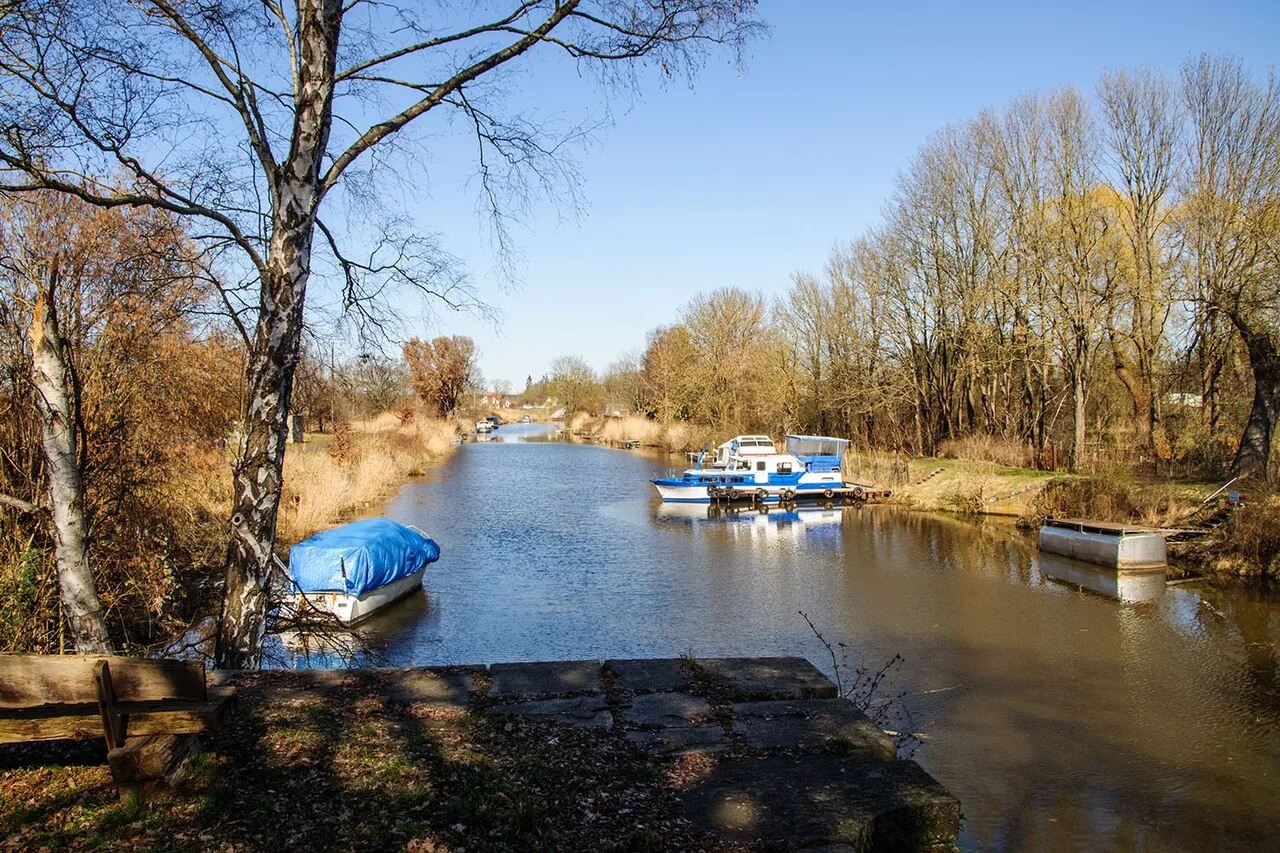
Begin with a controllable spot
An autumn session should not begin with a randomly chosen heavy feeder. Assess current, casting space and whether you can work safely beside the water. Compare the rod’s casting-weight rating with the complete feeder weight including groundbait. An empty basket’s weight cannot describe the casting load.
Find a distance you can repeat without excessive effort. Accurate presentation and a clear reference point are more useful than trying to cast farther every time. Do not move to a dangerous bank edge for a few extra metres.
Start with a modest amount
There is no universal groundbait quantity for every November venue. Begin cautiously and watch changes after feeding. Check moisture and how the mix leaves the feeder before making working casts, without scattering feed along the whole bank.
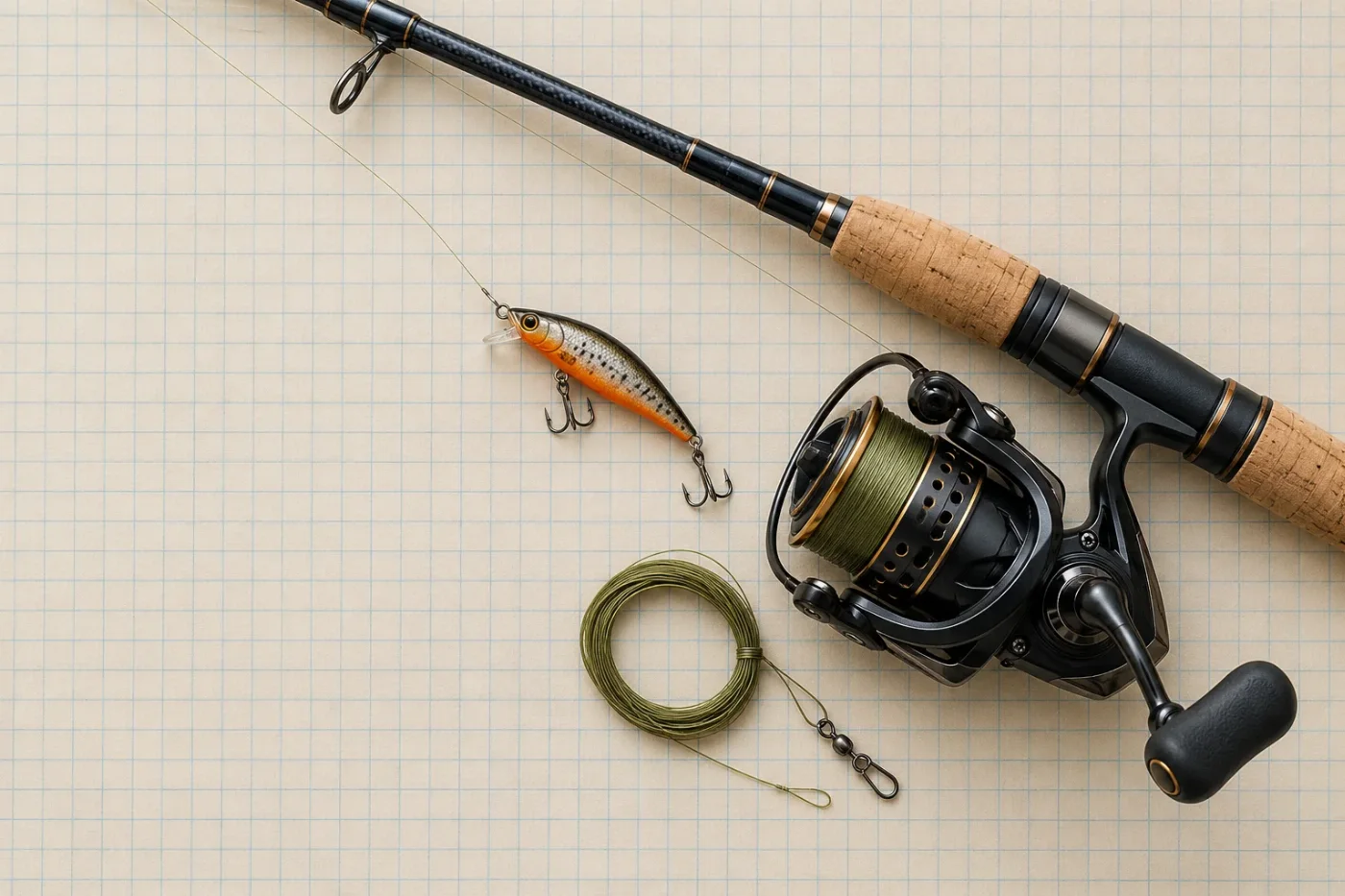
Compare rather than cycle through options
If indications are scarce, record the current distance, hookbait and timing. Then change one parameter and allow time to observe. Changing everything at once cannot tell you what helped.
Before drawing conclusions, check the hook, leader and tangles. The rig should suit conditions and careful fish handling rather than being as delicate as possible for its own sake. A lack of bites is not a forecast for the entire following day.
Finish on time
Prepare a landing net, hook-removal tool and dry clothing before fishing. Account for shorter daylight and the path’s condition after rain. Check current restrictions for the particular water before travelling.
Record inconveniences as well as catches: an overly heavy feeder, unclear reference point or difficult access. Those observations may help more next time than searching for a secret ingredient.