
Editorial illustration SNASTI.NET.
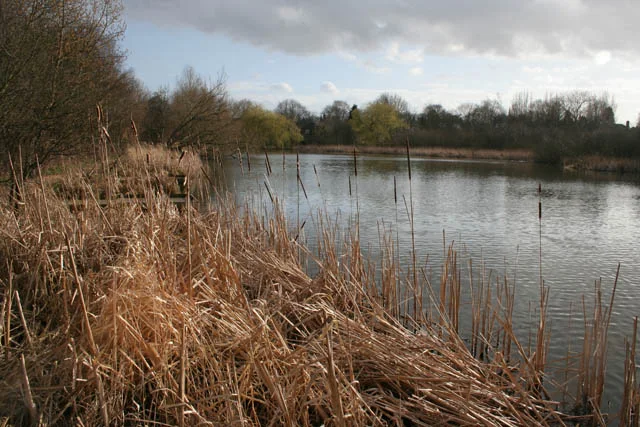
Shoreline vegetation creates interesting boundaries for fishing, but at the same time makes working with the tackle more difficult. Choose an accessible spot where you can cast and retrieve the rig without a risky descent to the water.
What to pay attention to
First, measure depth
Check the depth at a reachable distance to understand the bait’s position. The bottom near reeds can be uneven, so a single measurement does not describe the whole spot. Repeat casts using a clear reference point.
Visible float
Adjust the float’s shotting so you can discern changes in the float’s position in the current lighting. Excessive wind resistance makes control harder in windy conditions. The rod’s position also affects the amount of line in the water.
Working near cover
Don’t cast into the impenetrable vegetation just hoping for big fish. Leave the option to bring the catch in and use a landing net. Move along the bank quietly and don’t cut plants just to make space.
Work with the conditions you see
Record observations together with time, location and presentation method. Change one parameter at a time, otherwise it’s unclear what produced the result. A short note after the trip is more useful than a hasty conclusion about the whole waterbody: water level, lighting and fish activity can change even within a single day.
Practical summary
A steady short presentation is often more convenient than maximum distance. If the tackle repeatedly snags, simplify the rig or adjust the casting angle rather than increasing the force on each retrieve.
Next step: open the angler’s calendar and the location map, to link the recommendations with a specific outing. Check current access to the chosen area before you set off.