
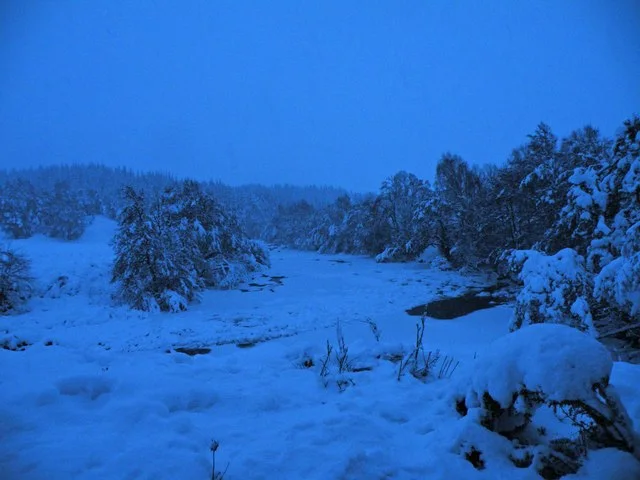
Editorial illustration SNASTI.NET.
The first minutes on an unfamiliar water body are best spent scouting rather than immediately setting up all your gear. Compare the accessible banks, wind direction, and the possibility of working calmly with your tackle.
What to Look For
Safe Approach
Separate the interesting water from the accessible working area. A steep slope, an unstable edge, or a doubtful path do not become better just because you expect a catch. Choose permitted, proven access routes and avoid widening them into vegetation.
Signs of Change
Pay attention to flow boundaries, vegetation, shade, and available depth changes. These are reference points for checking, not a guarantee of fish holding. First determine how you will present your tackle and retrieve it safely.
Comparison Plan
Select several different accessible spots and test them sequentially. Don’t spend the whole day on one area just because it’s convenient for a chair. Record specific observations, not only a general impression.
Work with the Conditions You See
Record observations together with time, location, and presentation method. Change one variable at a time; otherwise it’s unclear what produced the result. A short note after the trip is more useful than a rushed conclusion about the entire body of water: water level, lighting and fish activity can shift even within a single day.
Practical Summary
After the first outing, leave a brief map of spots for future trips. Your own tested approaches and repeatable presentations provide a more reliable foundation than someone else’s random map marker without details of the conditions.
Next step: open the angler’s calendar and the spot map, to link the recommendations with a specific outing. Check current access to the chosen area before you go.