
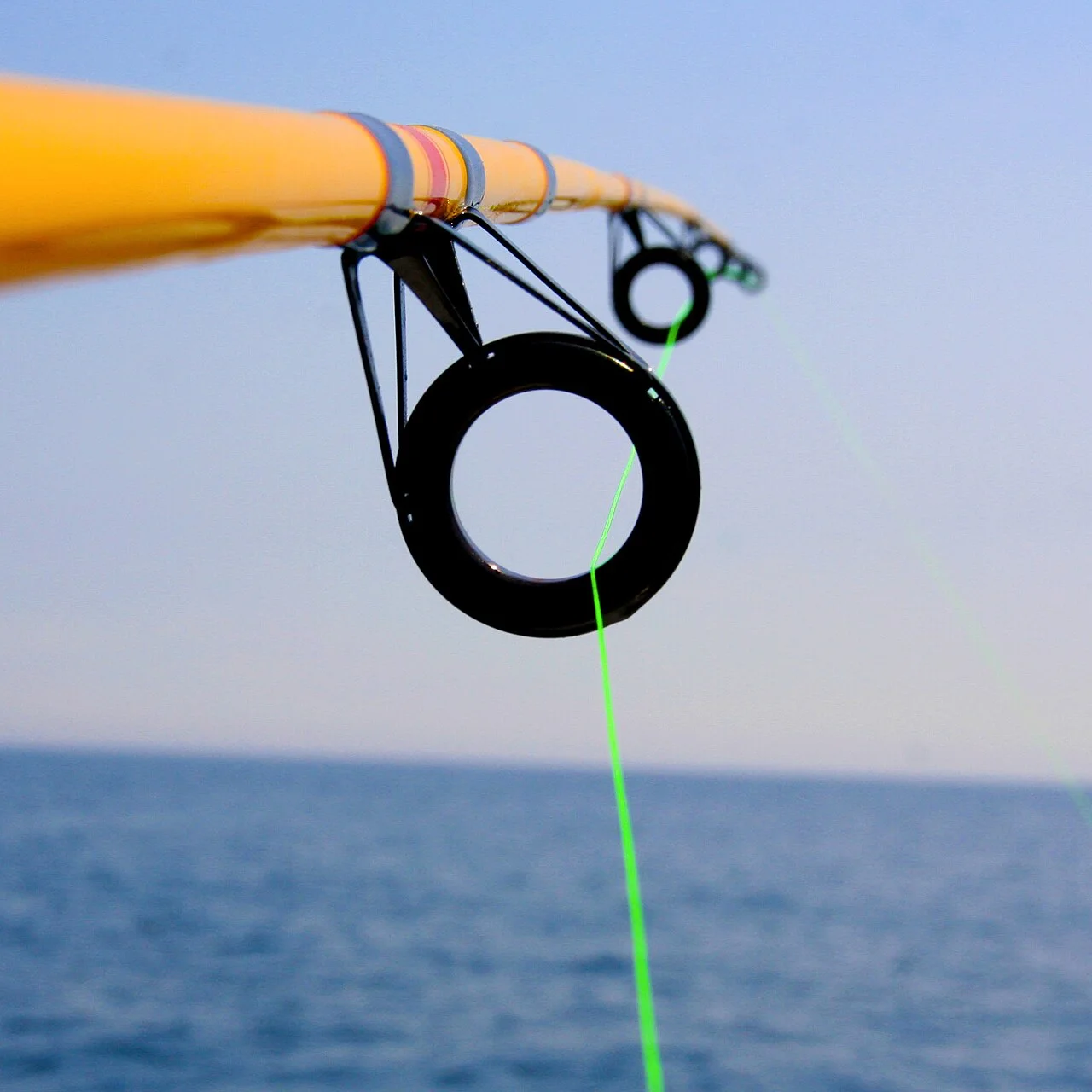
Editorial illustration SNASTI.NET.
The material of the main line affects the feel of the tackle, how the rig works and its behavior under load. The choice starts with the fishing method and bottom conditions, not with the desire to take the thinnest option with the highest number on the package.
What to pay attention to
Working properties
Compare stretch, resistance to contact with obstacles and ease of tying knots. One characteristic does not override the others. For a setup with a specific reel, real spool capacity and line lay also matter.
Marking
Specifications from different manufacturers are not always directly comparable. Look at the material’s intended use and recommendations for your fishing method. An overly large diameter can change the presentation and amount of surface drag in current.
Leader and control
The section near the lure or hook works under different conditions than the main line. After snags, inspect it separately. For a toothy predator, consider the leader’s resistance to being bitten through, not just the braided line’s strength.
How to test your choice
Gear is evaluated as an assembled set. At home, check connections, access to adjustments, and ease of handling with wet hands. On the water, start with a short test near an accessible shore: it’s easier to notice twists, excess friction or poor placement of items than to fix them while fishing.
Practical summary
Start with a proven material for the intended purpose and watch its performance. Changing the setup is easier when you know which problem the new monofilament or braided line should solve.
Next step: open tools for preparing tackle and a location map, to link the recommendations with a specific outing. Check current access to the chosen area before you go.