
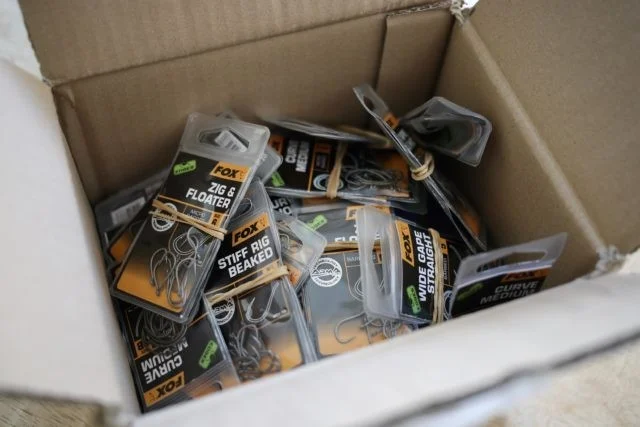
Editorial illustration SNASTI.NET.
A ready rig should not be considered sound just because it survived the last outing. Check the leader, hook and connections before fishing and after contacts with the bottom, vegetation and fish.
What to look out for
Inspection by hand and eye
Look for roughness, bends, wear and deformation. Work carefully near the hook to avoid injury when tensioning the line. If the material has noticeably changed, replace the section rather than relying on residual strength.
Hardware
Make sure the clasp closes properly and the rings are undamaged. Unnecessary parts can complicate the rig and collect vegetation. Use only the items truly needed for the chosen method.
Spare leaders
Keep several prepared leaders separate and labelled for their purpose. Do not mix working and doubtful rigs. It’s easier to replace immediately than to search for the right size after losing a lure.
How to test your choice
Gear is evaluated as an assembled set. At home, check connections, access to adjustments, and ease of handling with wet hands. On the water, start with a short test near an accessible shore: it’s easier to notice twists, excess friction or poor placement of items than to fix them while fishing.
Practical summary
A short check should become a routine action, not a complicated ritual. A simple rig in good condition is often more reliable than an overly complicated setup with connections of unknown condition.
Next step: open tools for gear preparation and the location map, to link the recommendations with a specific outing. Check current access to the chosen area before you go.