
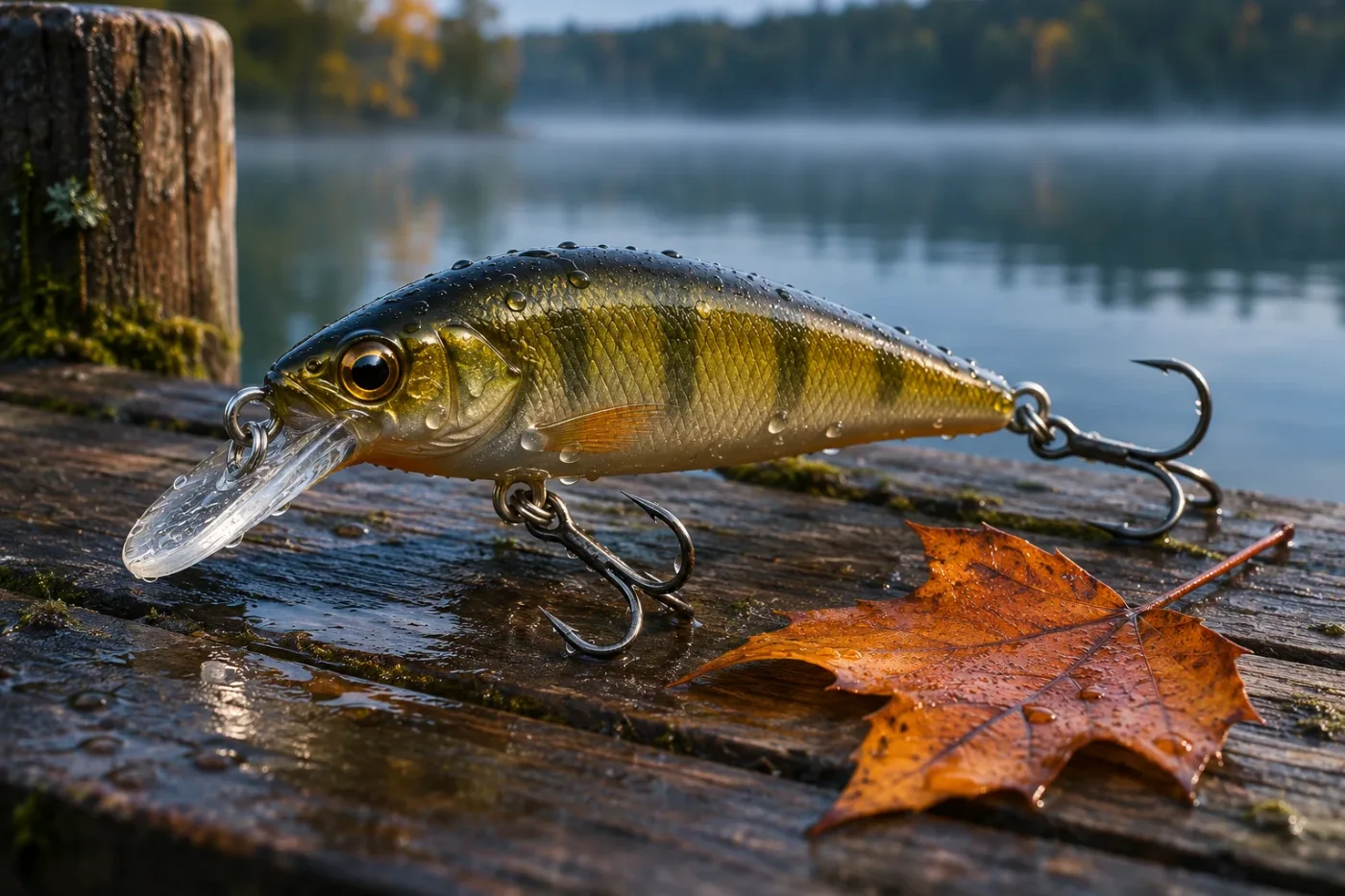
Editorial illustration SNASTI.NET.
Fan casts help you explore a new area, but on their own they don’t provide a system. Divide the available water into several directions and check them sequentially, taking depth and obstacles into account.
What to pay attention to
Start close
Don’t go straight to the water’s edge and don’t cast the farthest. Check the shoreline strip if the approach allows you to do so safely. Fish may be holding near grass, shade or the edge of clean bottom.
Vary the Retrieve Depth
In one direction compare retrieves at different depths, without exceeding the gear’s capabilities. Pause and retrieve speed affect the presentation no less than lure colour. Consider the risk of snagging.
Moment of transition
If the spot has been scouted and changes in presentation didn’t yield contacts, move to another accessible section. Don’t spend the whole short trip on a spot just because it’s convenient for setting up gear.
Work with the conditions you see
Observations should be recorded together with time, location and presentation method. Change one parameter at a time, otherwise it’s unclear what produced the result. A short note after the trip is more useful than a hasty conclusion about the whole water body: water level, lighting and fish activity change even within a single day.
Practical summary
Create a small loop of several different spots and record the results. On the next trip this will help you understand where the bottom features made a difference and where the specific lure presentation did.
Next step: open the angler’s calendar and the spot map, to link recommendations with a specific trip. Check current access to the chosen area before heading out.