
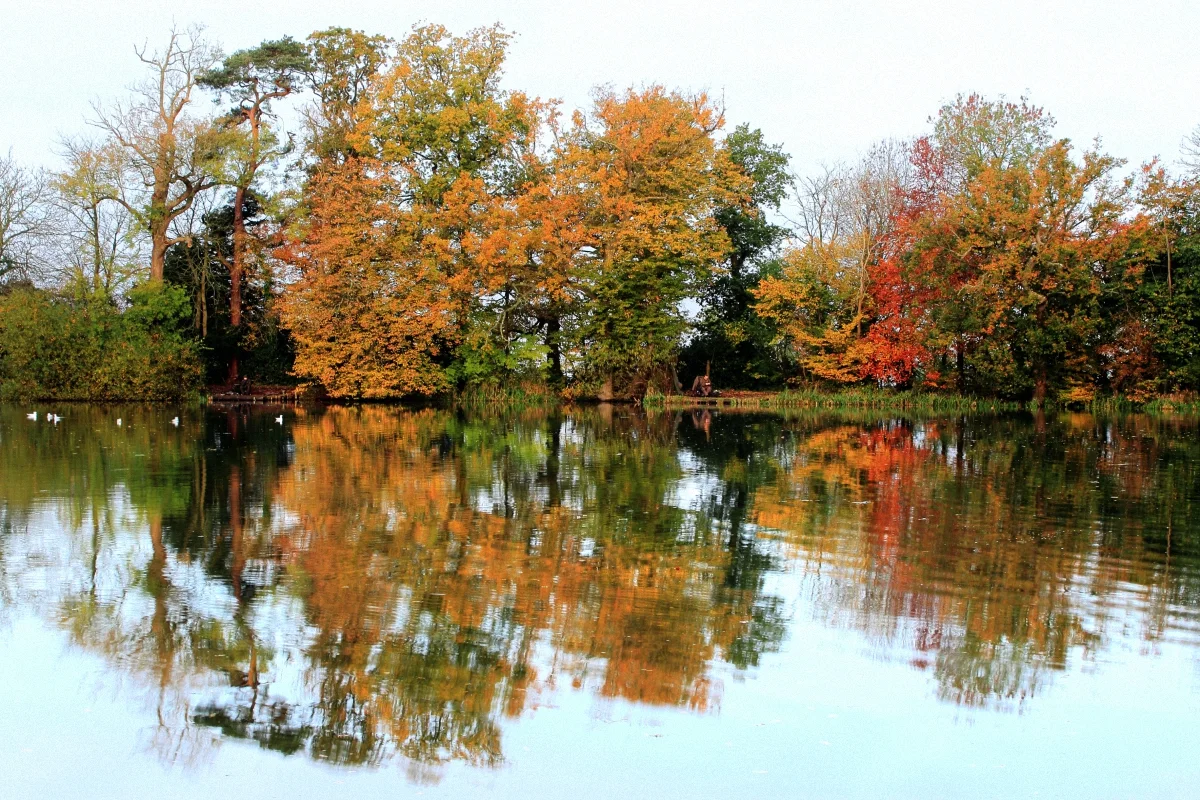
Set the boundaries first
Two free hours disappear quickly if you begin by looking for unfamiliar water, driving a long way and rebuilding every rig. Choose a familiar, accessible bank and calculate the time from leaving home to returning. Allow time for packing up and reaching transport calmly while daylight remains.
Do not try to explore an entire river in one short visit. Choose one stretch with several safe positions and decide what you want to compare: a nearby drop-off, a depth change or different retrieve speeds.
A smaller kit works better
Take one ready-to-use outfit, a few compatible lures and spare consumables. Lure weight should match the rod’s casting-weight rating, while the leader should suit the conditions and target fish. Avoid opening your entire collection on a wet bank: a box easily closed with one hand is more convenient than a pile of bags.
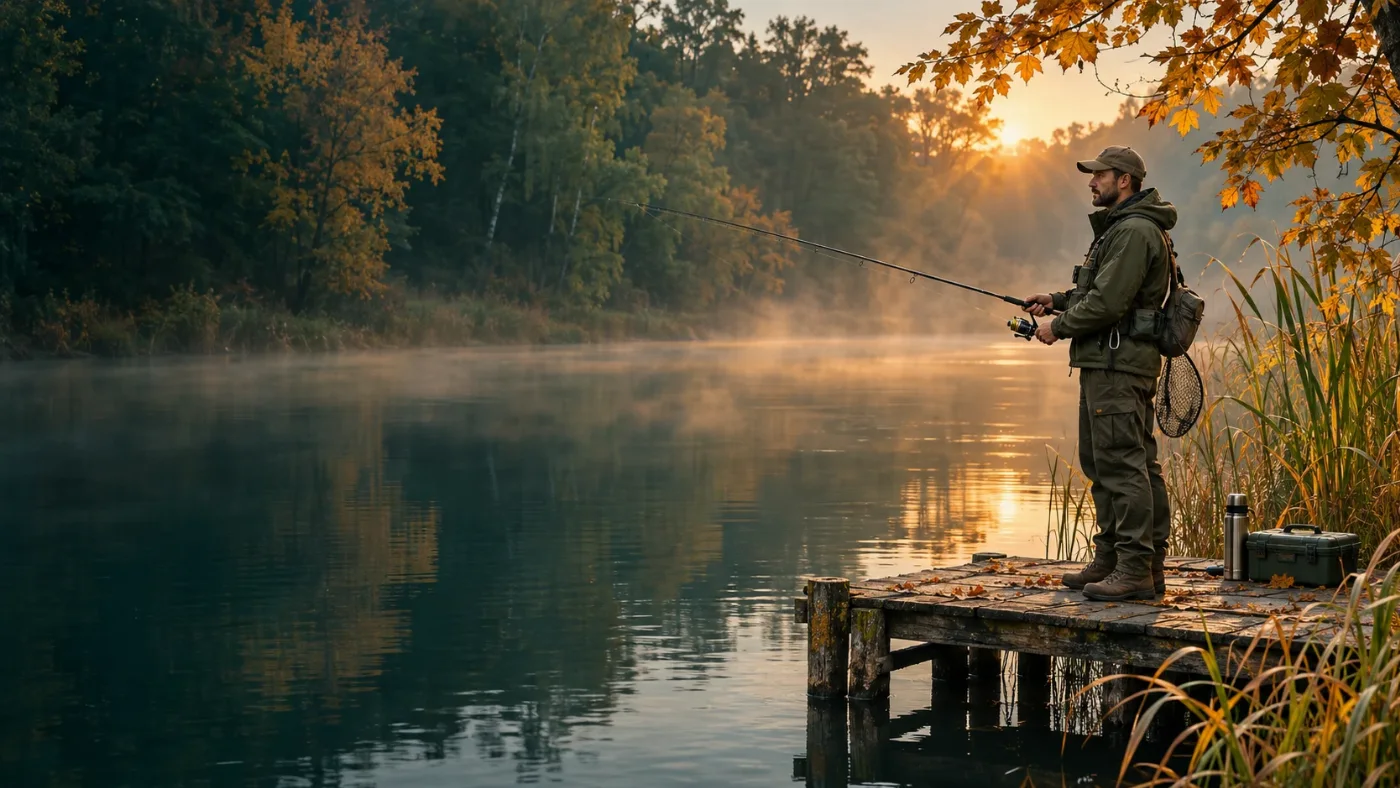
Change one condition
First inspect the surface, current, access and casting space. Make a considered series of retrieves, then change only one parameter: weight, working depth or speed. This lets you compare results rather than simply cycling through lures.
A lack of bites does not prove fish are absent. A short session is an observation at a particular time rather than a verdict on the whole venue. Do not chase another position across slippery rocks or a steep bank.
Returning is part of the plan
Protect your phone and dry clothing from water, and take drinking water and a rubbish bag. Check local rules and actual bank access before leaving. Shorten the session if weather or access conditions deteriorate.
Afterwards, note the stretch, lures and conditions. Even without a catch, that short record will make the next visit more useful.