
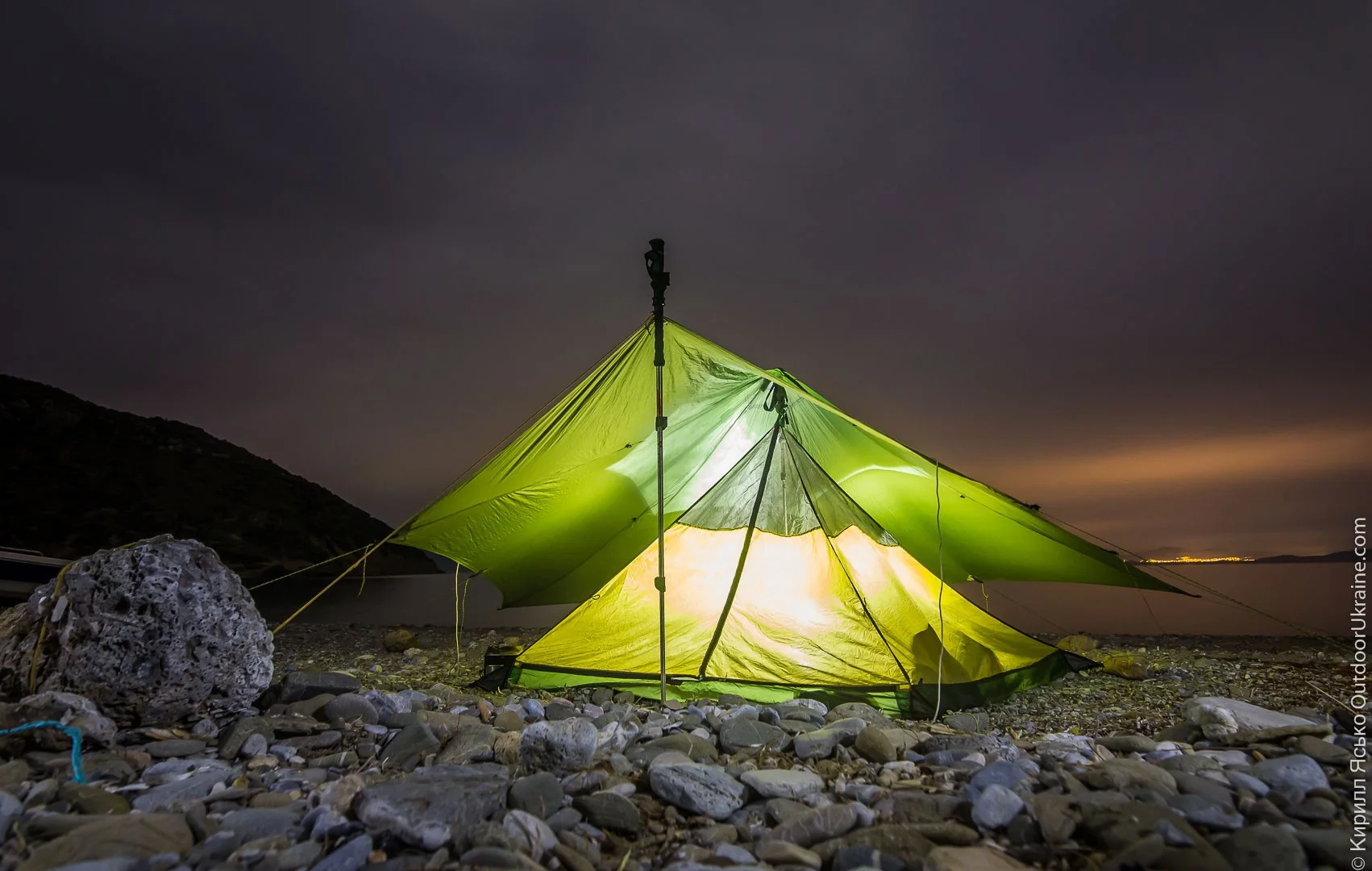
Decide where and how you will sleep
A tent for car camping and a model carried in a rucksack for several days serve different purposes. First describe the season, number of occupants, transport arrangements and likely camping conditions. The word “universal” on the packaging does not replace this assessment. For an initial trip, renting a sound tent can help you understand how much space you actually need.
Measure sleeping mats rather than trusting the name
Compare the internal width and length with your sleeping mats and the occupants’ height. A “two-person” label does not guarantee a comfortable night for two people and their belongings. If possible, pitch the tent before buying and try lying inside. Check whether your head or feet touch the walls and whether the entrance is convenient.
A vestibule is useful for footwear and some equipment, but is not an additional sleeping area. Two entrances may make life easier for companions, while adding components and sometimes weight. Assess the actual design rather than counting zips.
Flysheet, floor and ventilation work together
Look beyond the fabric’s stated water resistance to the condition of seams, coatings, zips and attachment points. On a used tent, check for sticky or flaking coatings, floor damage and missing pole sections. A large specification figure cannot repair worn material.
Ventilation openings need to remain usable, and the inner tent must be properly separated from the flysheet when pitched. Condensation can occur even in a sound tent. Before treating dampness as a leak, check pitching, airflow and whether belongings are touching the walls.
Compare the complete package
Find out which weight is quoted: a minimum figure or the total with poles, pegs, guylines and bags. Check for a repair sleeve, compatible replacement poles and clear instructions. Practise pitching at home or in a permitted area: dusk and rain are a poor time to discover how an unfamiliar fitting works.
Where not to cut corners
Do not buy damaged poles or a tent clearly unsuited to the conditions of your trip. Never use a gas stove or other burning equipment inside the tent or its vestibule. Choose a permitted campsite, respect local restrictions and dry equipment completely before storage. An affordable tent is good value when it suits your purpose and remains in working order.