There is no single best tent
One design is rarely equally convenient for a walking route, a family campsite and winter fishing. First establish sleeper numbers, transport, expected conditions and budget. Old model names in the selection are examples rather than a current buying ranking.
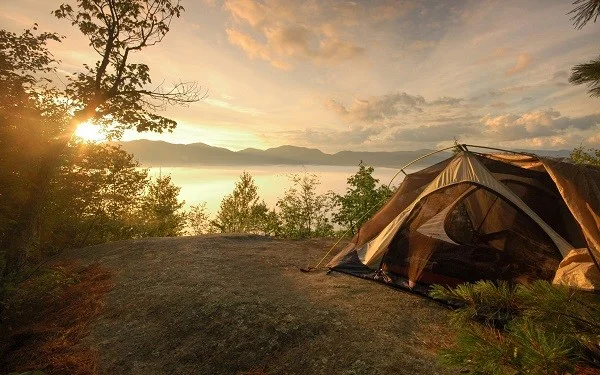
Fishing
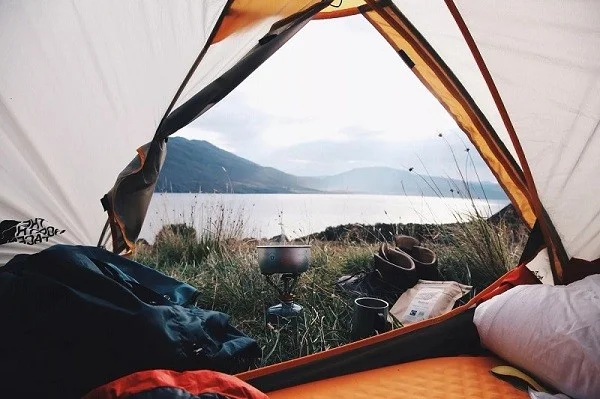
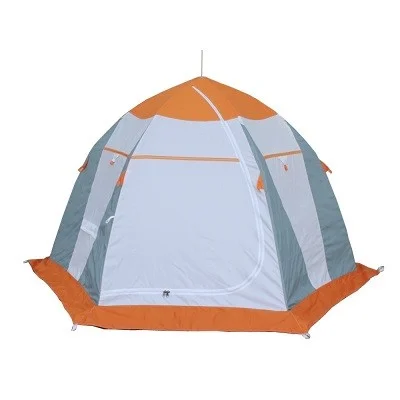
Distinguish a daytime fishing shelter from an overnight tent. Winter outings separately require assessment of ice and weather: having a tent does not make ice safe. Do not use a stove or ordinary fuel heater in an enclosed tent because of fire and carbon-monoxide risks.
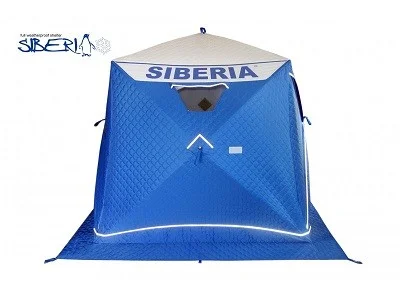
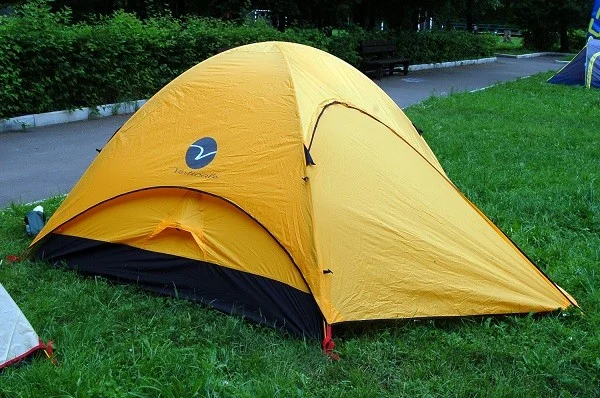
Walking routes
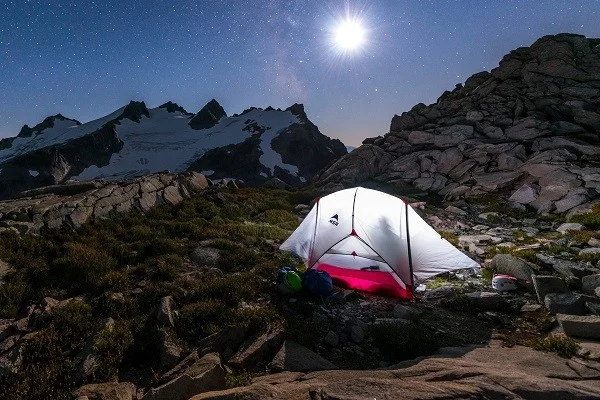
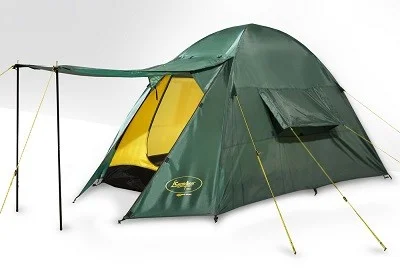
Calculate the weight of the entire kit: poles, fly, pegs, guy lines and necessary ground protection. Try your mats and sleeping bags and check headroom, entry and wet-item storage. Two vestibules do not always offer enough convenience to justify extra weight.
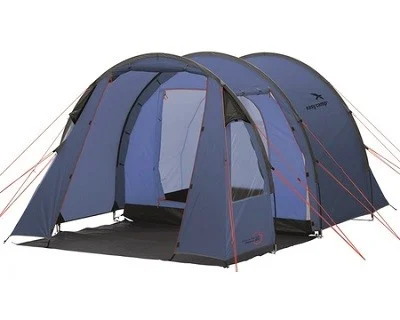
Camping and pitching space
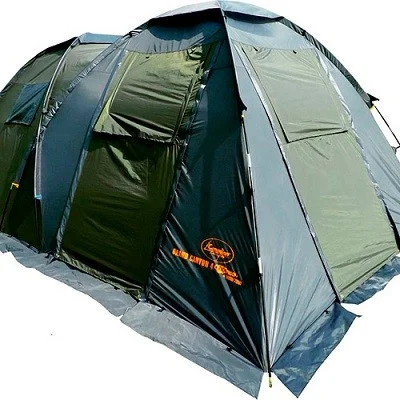
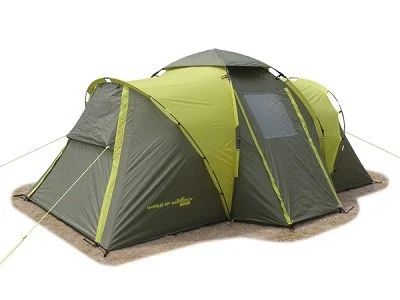
A tall tent makes daily living easier but occupies more space and depends more on correct anchoring. A tunnel structure particularly needs suitable guying points. Check how the selected model can be pitched on actual ground rather than only a shop’s level lawn.
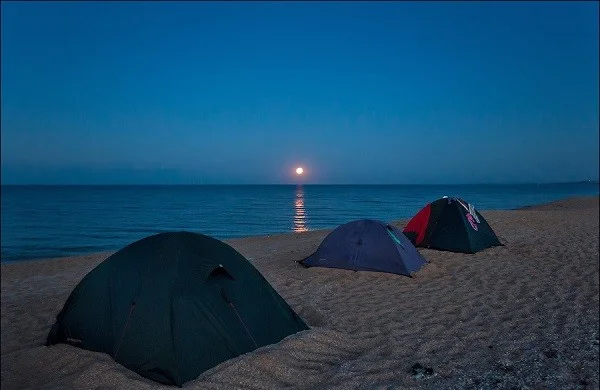
Hunting and demanding conditions
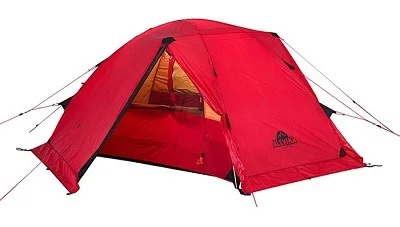
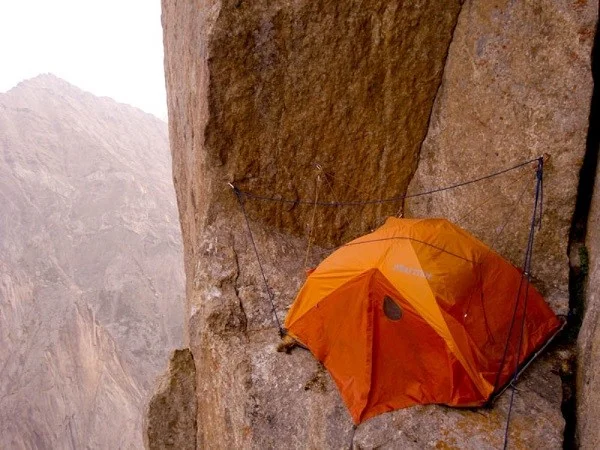
Camouflage cannot replace ventilation or campsite assessment. Mountains and winter need a frame and attachments designed for the conditions, plus pitching experience. Crossed poles, fabric density or an extreme label cannot individually guarantee storm resistance.
Season and warmth
Airflow and insect protection matter in summer; consider rain, wind and condensation in spring and autumn. Not every tent needs a skirt. Neither taped seams nor a quoted temperature can replace an appropriate sleeping bag, mat and clothing. Choose a winter shelter according to its instructions and the actual task.
Materials and pre-purchase checks
Polyester, nylon, aluminium and composite poles come in different forms; there is no universal best material. Assess coating waterproofness alongside seams, wear and construction. Pitch the tent and check zips, attachments, poles and supplied pegs without destructive tests. Cook outside the tent and vestibule, and dry the fabric after travelling.