
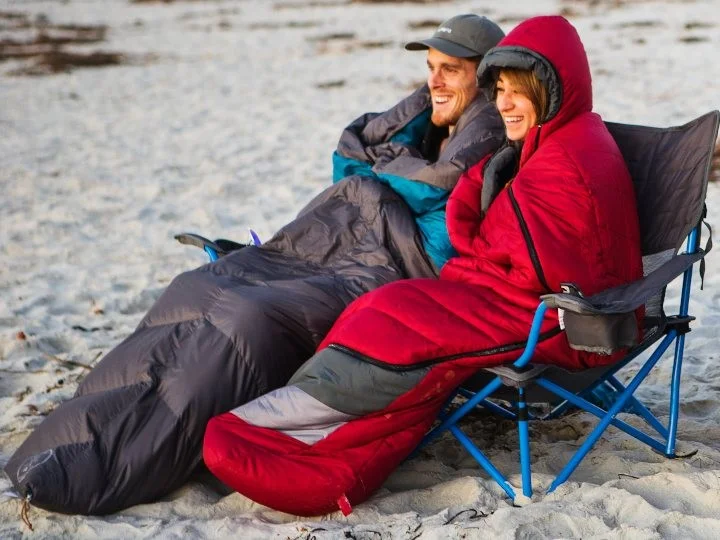
Purpose and budget
Establish expected weather, altitude, shelter and transport method. An affordable suitable bag is more useful than an expensive model with the wrong rating. Do not assume every basic item equals a flagship in quality: check the actual design, seams and manufacturer documentation.
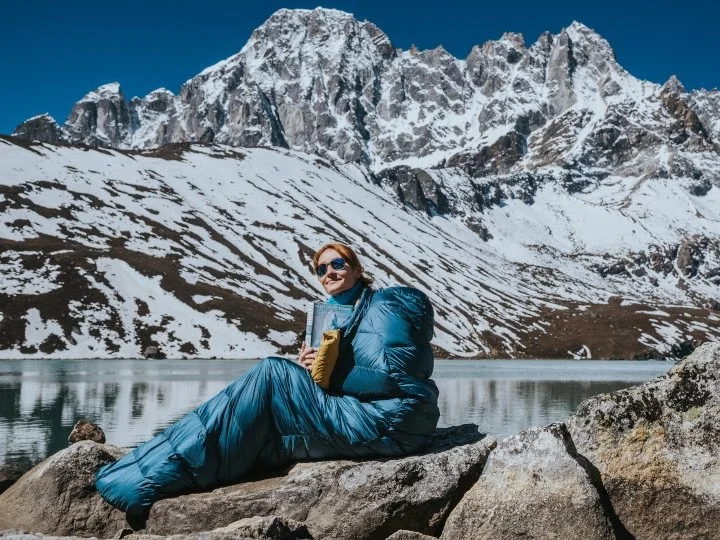
Temperature categories
Compare models using comparable testing and Comfort and Limit labels. These are different guides rather than promises of identical sleep for everyone. Do not choose Extreme as a normal overnight operating temperature. Personal sensitivity, fatigue, moisture, clothing and pad change results. Three-season does not define one temperature for every region.
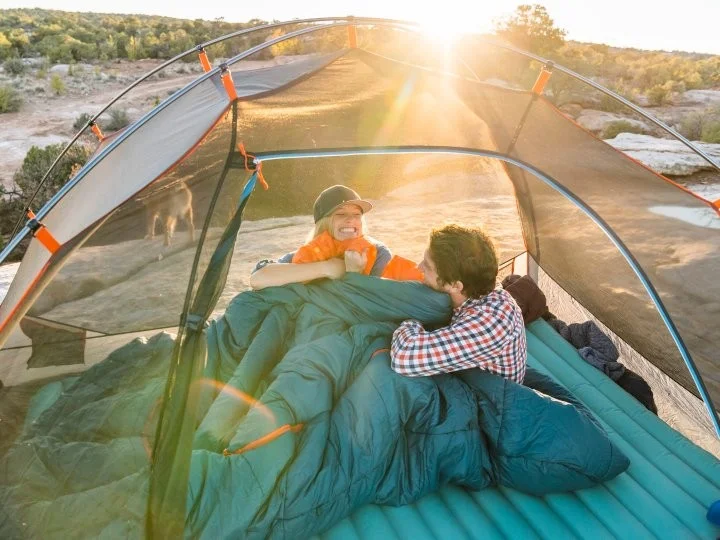
Fill and water protection
Down often offers useful insulation for its weight, while synthetics may be practical for price and care. Compare complete products rather than fill names alone. Fill Power describes down properties but cannot establish bag warmth without fill quantity and construction. Hydrophobic treatment does not remove the need to prevent wetting; wet synthetic fill cannot guarantee comfort either.
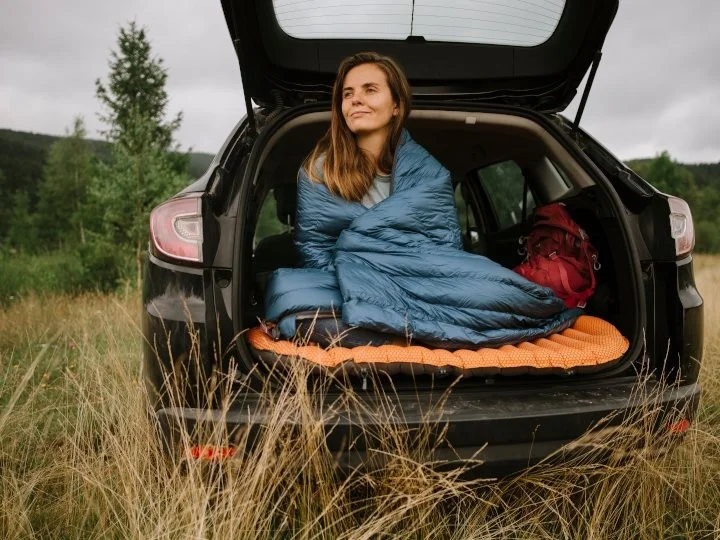
Shape and size
Try a mummy or rectangular bag in sleeping clothes. Shoulders and feet need room without compressing insulation. Establish whether a stated length means user height or product dimensions. Joining two bags requires compatibility rather than merely zips on opposite sides.
Sleep system and care
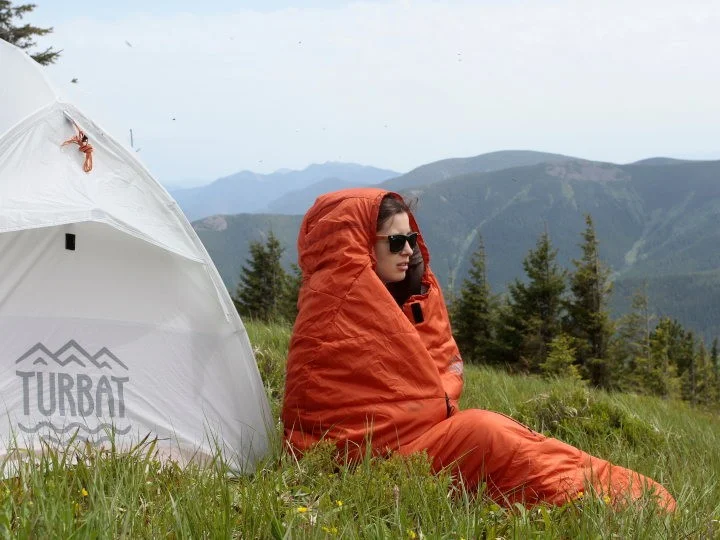
Choose pad insulation for the conditions: inflation alone does not make it warmer than every foam pad. Check hood, collar and zip while keeping your face uncovered. Test the complete kit before the route and follow recommended washing, drying and storage afterwards. A winter overnight needs a complete plan rather than just the warmest possible bag.