
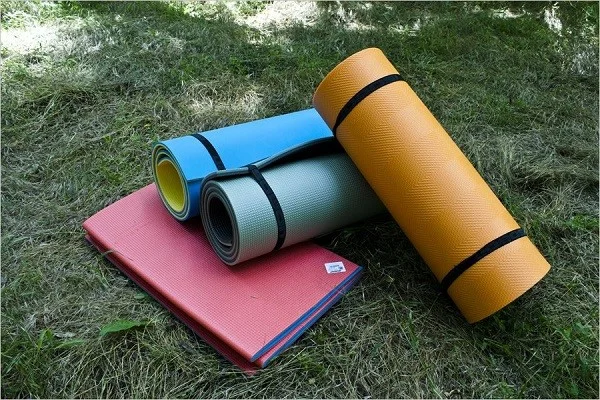
Foam: rolled or folded
A closed-cell foam pad needs no inflation and cannot lose air through a puncture. Its bulk does need allowing for when packing. Rolled and folding formats are ways of packing, not separate insulation classes. Compare specific specifications rather than assuming every thin foam pad is equally cold.
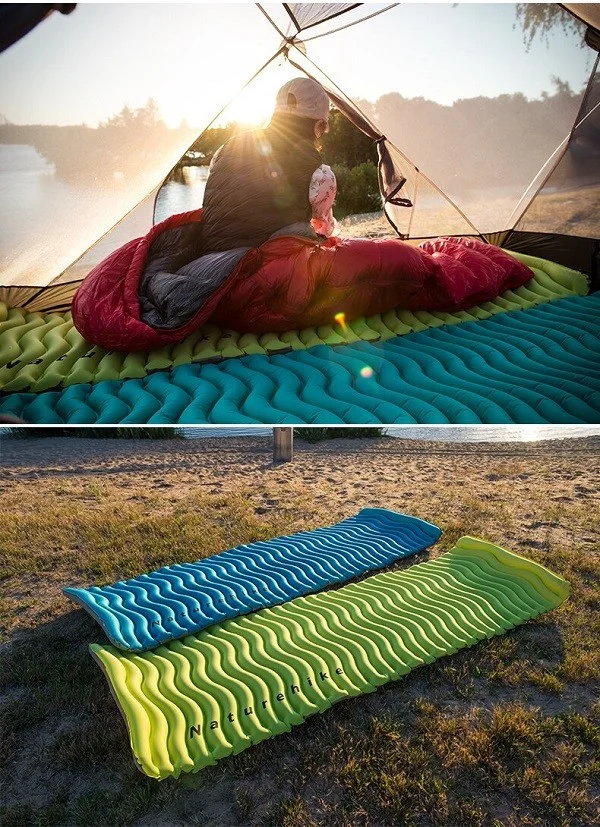
Air and foam filling
In a self-inflating pad, expanding foam helps fill the interior with air. Achieving the desired firmness may require extra inflation as instructed. An air pad without that filling is often more compact, but its insulation depends on its construction: equal thickness does not mean equal warmth. Both designs need a sound valve and a way to deal with damage.
Checks before choosing
Consider a comparable R-value, sleeping length and width, weight and packed dimensions. Check the pad against your tent and sleeping bag and lie on it in your normal position. Cold conditions call for a considered sleep system rather than simply the thickest mattress. Do not expect a therapeutic effect: the pad’s job is support and insulation. After travelling, clean and store it according to the manufacturer’s instructions.