
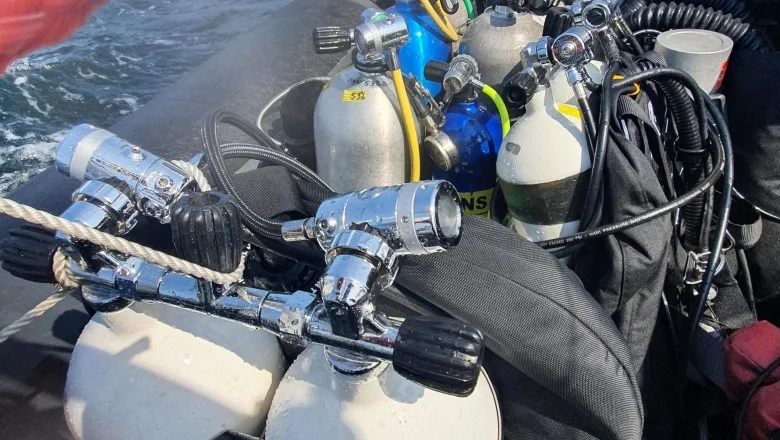
Before visiting
Ask which cylinders and gases the station handles, its opening times and document requirements. Prepare the model, working-pressure and inspection or test records. Do not leave a fill until the last minute before a dive.
Cylinder history and condition
Report damage, unusual valve behaviour, drops and an unknown equipment history. An owner’s visual check does not replace professional assessment. If uncertain, get a specialist’s decision first rather than filling to a familiar pressure mark.
Discuss the gas
Do not assume every cylinder and gas are interchangeable. Tell the operator what your plan and training require. Establish any additional equipment or gas-analysis requirements before servicing.
The operator’s responsibilities
Preparing the station, making connections, filling and completing the procedure are tasks for trained staff. The operator considers instructions and the condition of compatible components. Do not ask staff to bypass limits or accelerate a procedure contrary to requirements.
Questions about quality
Ask about breathing-gas quality checks and station maintenance. An apparently clean cylinder and an absence of smell do not adequately test its contents. If answers are unclear, declining to use questionable gas is sensible.
On collection
Check that the cylinder returned is yours, with the agreed gas and a record of the work. Analyse and label mixtures as prescribed by your training. Discuss any problem before travelling to the water.
Keep the records
Service records help establish equipment history and track necessary checks. Follow storage and transport conditions for your cylinder. This checklist does not describe filling cylinders yourself and does not replace diver training.