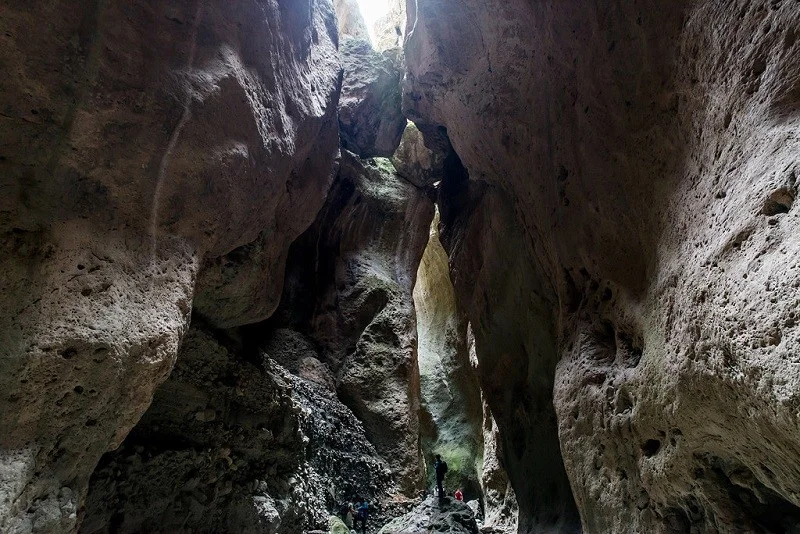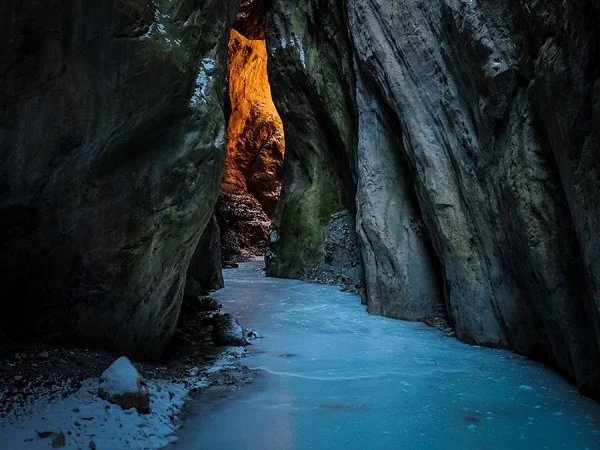
What draws attention
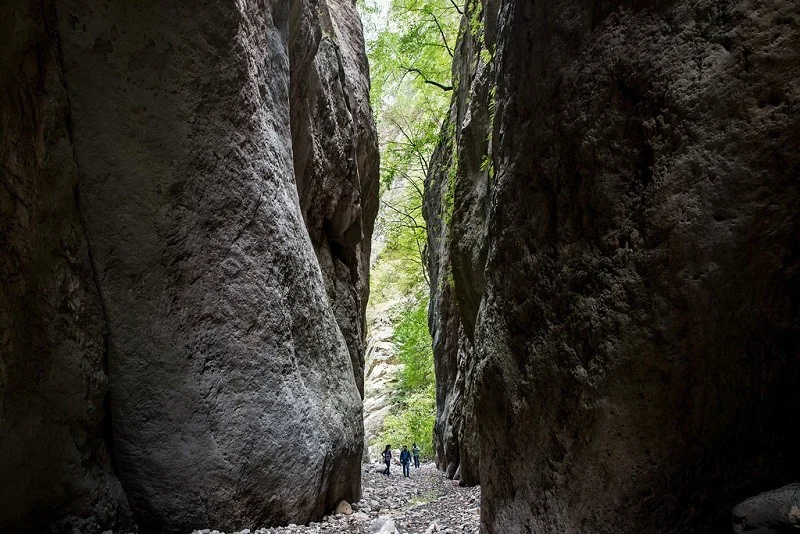
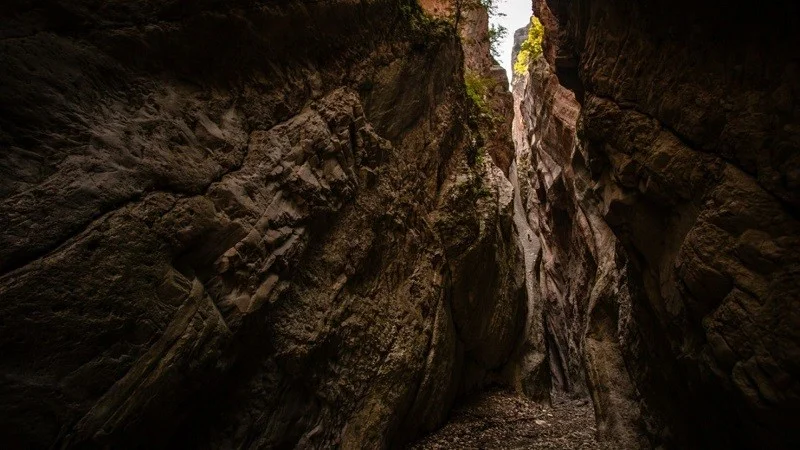
A narrow passage, high rock walls and bends in the stream create an unusual landscape. The archive described the gorge as roughly 400 metres long, but that figure does not represent the entire walk and approach. Photographs help visualise the place rather than assess today’s path.
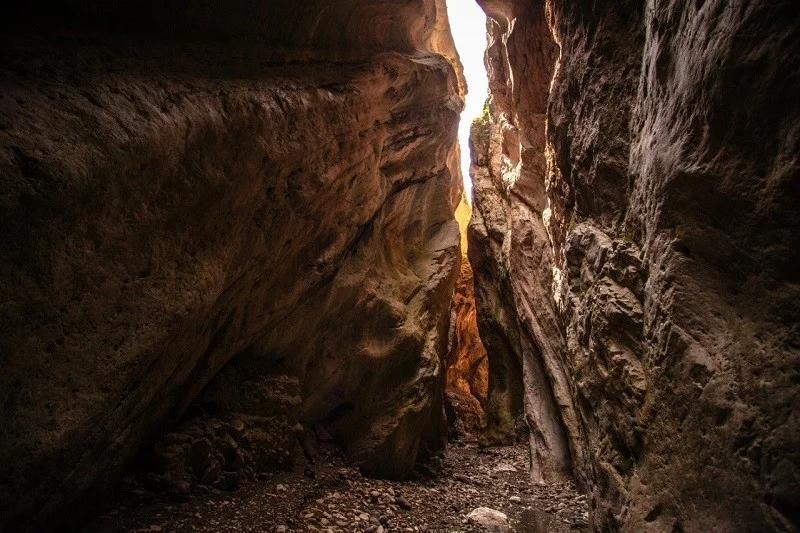
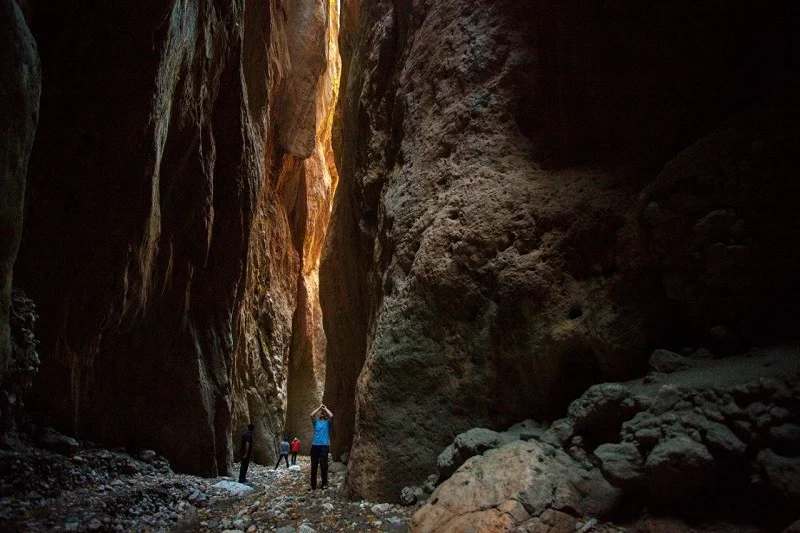
Water and stone
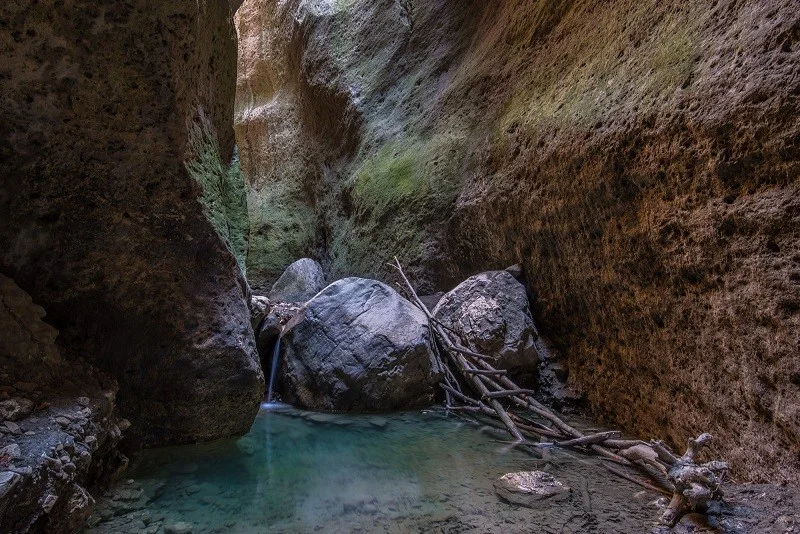
Polished surfaces, moss and lodged boulders form part of the scenery. They do not guarantee secure footing. Water levels and rain in the catchment can change conditions; good weather at the entrance does not describe the whole situation. Obtain current information from responsible local services and use a permitted route.
No universal approval for children
The old promise that any beginner or sporty child could manage the route was too broad. Assess surfaces, water, escape options and group abilities. Do not use remnants of old ladders or climb boulders for photographs. Stories about honey gathering and historical visits need separate sources rather than repetition as proven facts.
Preparation instead of an old driving plan
Check current access rules, roads and guiding arrangements. Allow return time and a cancellation option. A gorge is not a suitable place to wait out heavy rain. Keep away from hazardous sections and avoid damaging vegetation; a short route still needs careful planning.