
Define the task first
Securing lightweight camping equipment, joining cord ends and protecting a person from a fall are different tasks. A technique used with utility rope cannot be transferred to a climbing system simply because both involve a carabiner.
Where an error could cause a person to fall, training, compatible certified equipment and checking procedures are needed. This overview is not an instruction for belaying, rescue work or rappelling.
Loops and attachments
A bowline creates a loop, but correct use depends on the variant, rope, loading and additional requirements. The name “bowline”, without a specified variant and checks, does not establish suitability for every task.
Figure-eights have several forms: a stopper knot, a loop and other configurations are not interchangeable. An eight-shaped arrangement of turns does not prove that the finished knot is correct. Learn from a complete diagram of the intended variant, not a brief verbal summary.
Clove hitches and joining ends
A clove hitch is not a universal “carabiner knot” or a replacement for every attachment method. Adjustability is a different question from suitability for particular loading and conditions.
A double fisherman’s knot joins rope or cord ends in appropriate systems. It is not automatically a direct attachment for any load to a carabiner. Check material compatibility and joining recommendations separately.
Checking a practice sample
Practise without a load that could injure a person. Compare the entire rope path with the diagram: routing, dressing, tails and specified backup elements. Tail length and any additional knots are determined by the particular instructions.
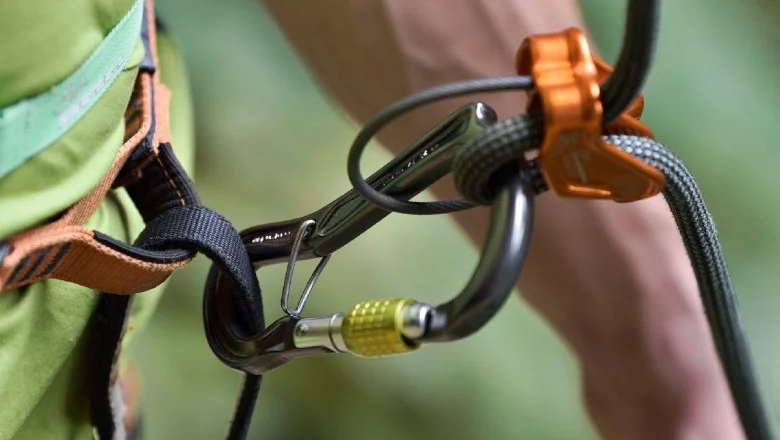
After tightening, check the form and rope condition again. The carabiner is also part of the system: its intended use, orientation and gate or locking-sleeve closure matter. A correct knot cannot compensate for an unsuitable connector.
The practical aim
Learn a few techniques for clear household or camp tasks and keep a verified diagram offline. Obtain training before applying them in a new field. Choose a knot for the system and conditions, not a sweeping promise of the “most reliable attachment”.