Start with your boat’s instructions
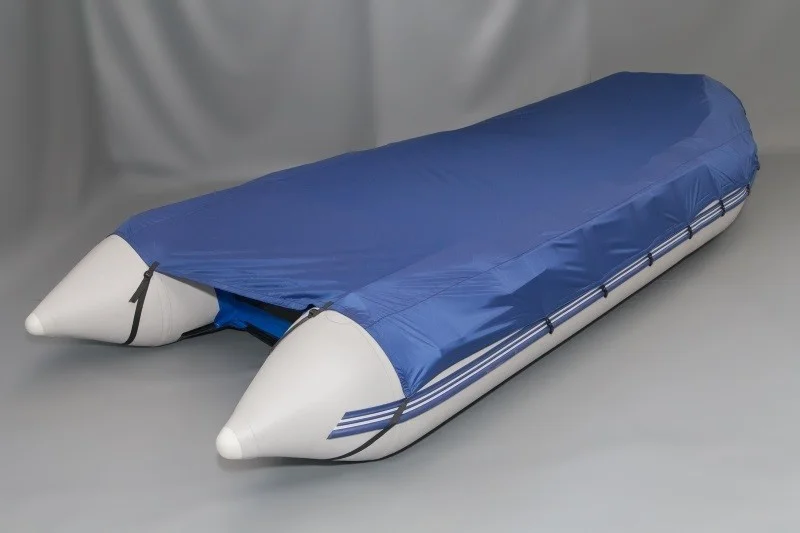
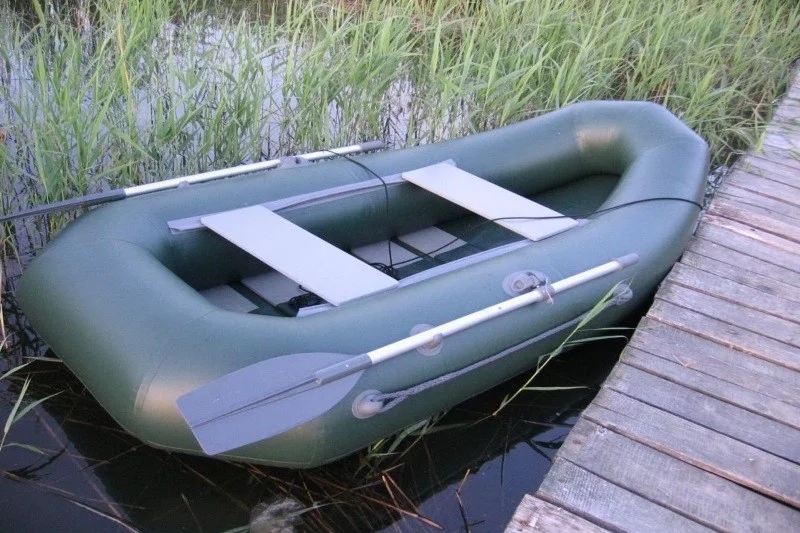
PVC, rubberised fabrics, valves and glued joints need appropriate care. Establish the material and manufacturer’s recommendations first. Remove sand, salt, mud and fuel residues using permitted methods. An unfolded hull is usually easier to inspect, but washing pressure and position must follow the instructions.
Cleaning and complete drying
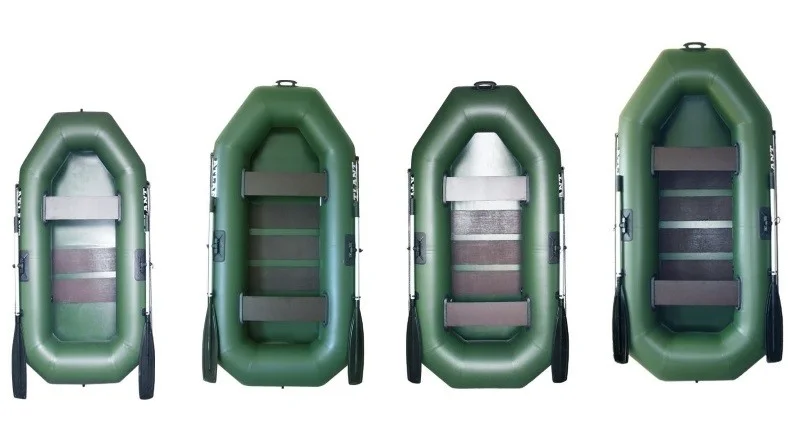
Use a compatible mild cleaner rather than experimenting with petrol, acetone or abrasives. Let water drain and dry seams, folds and areas where parts meet. Do not force the hull inside out or dismantle valves unnecessarily. Closing a wet boat in its bag is no substitute for drying.
Inspection before packing
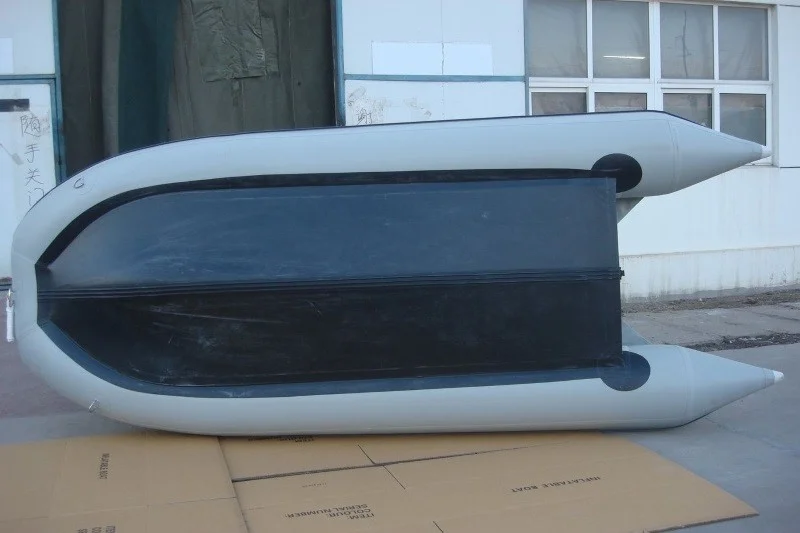
Check abrasion, seams, valves and fittings. Assess damage before the next trip; match repairs to the material and fault. Do not pour talc into chambers following generic advice: use it only when expressly specified by the manufacturer. Serious damage requires professional assessment.
Storage location
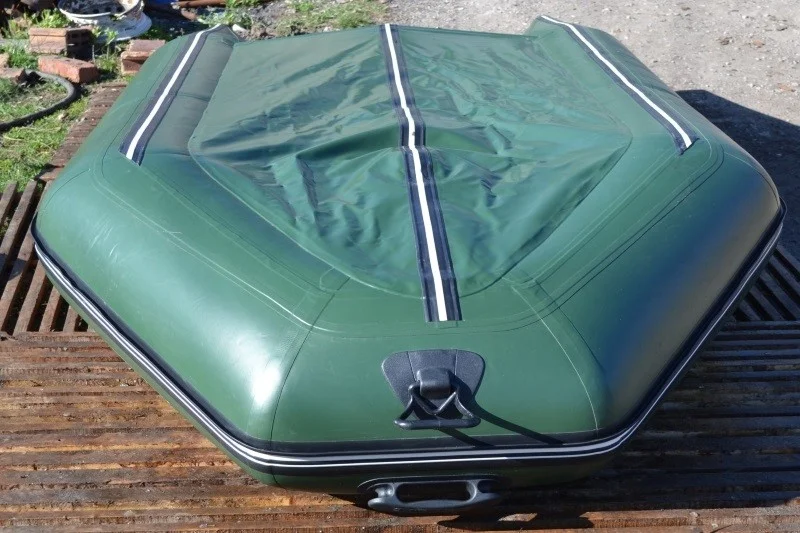
Protect the boat from sunlight, heaters, chemicals and mechanical pressure. Use its specified temperature range rather than one general figure for all boats. If folded storage is permitted, avoid forced sharp creases and heavy loads on top. Wash and dry oars, seats, pump and bags separately. Before the next season, check equipment and sealing as instructed: good storage does not replace a pre-launch check.