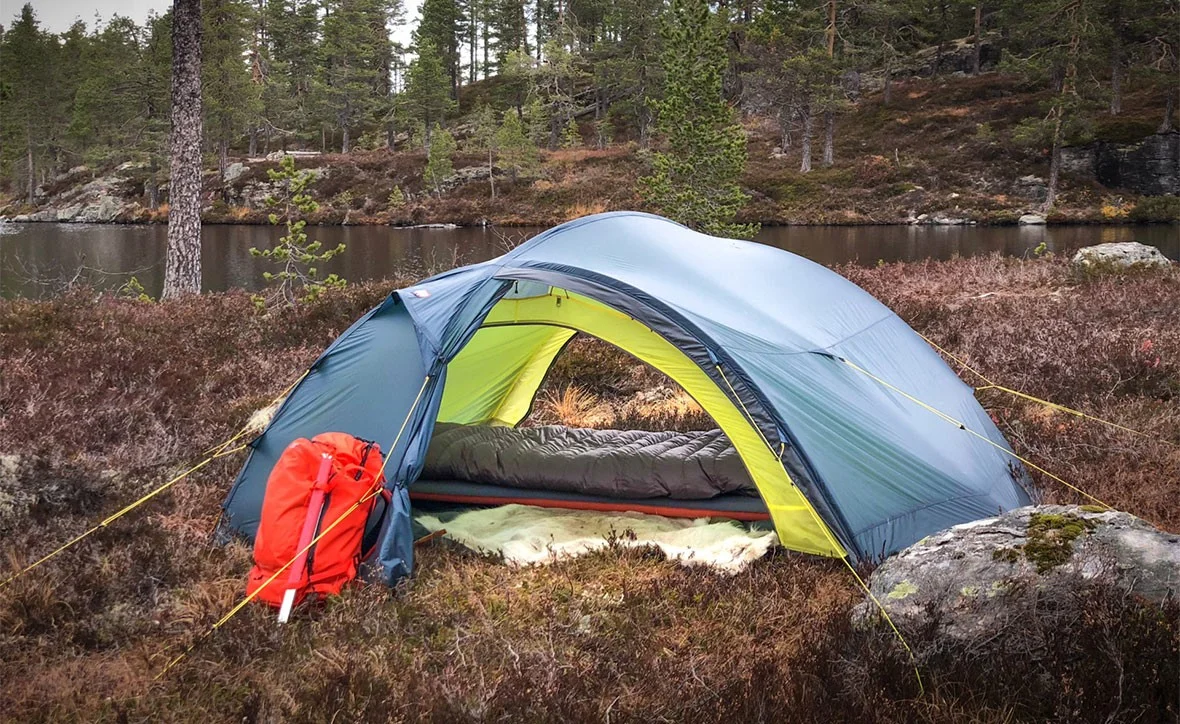
Identify the model and generation
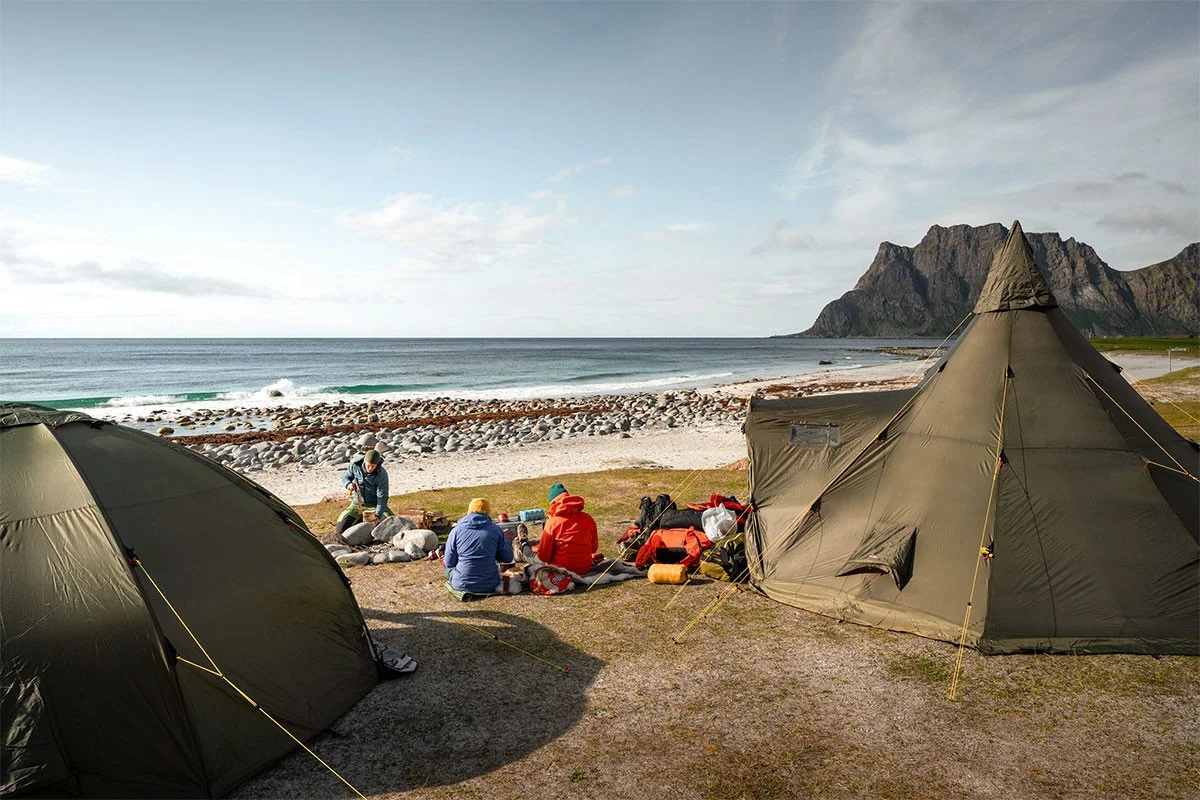
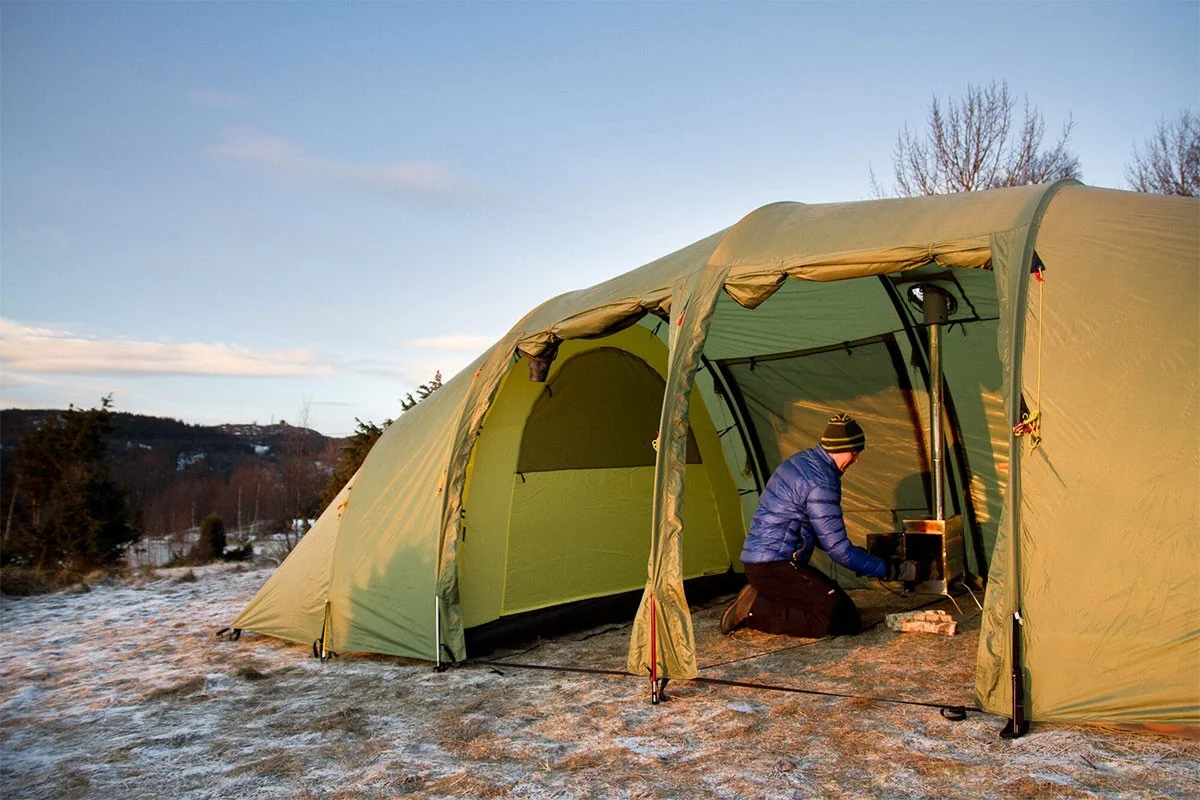
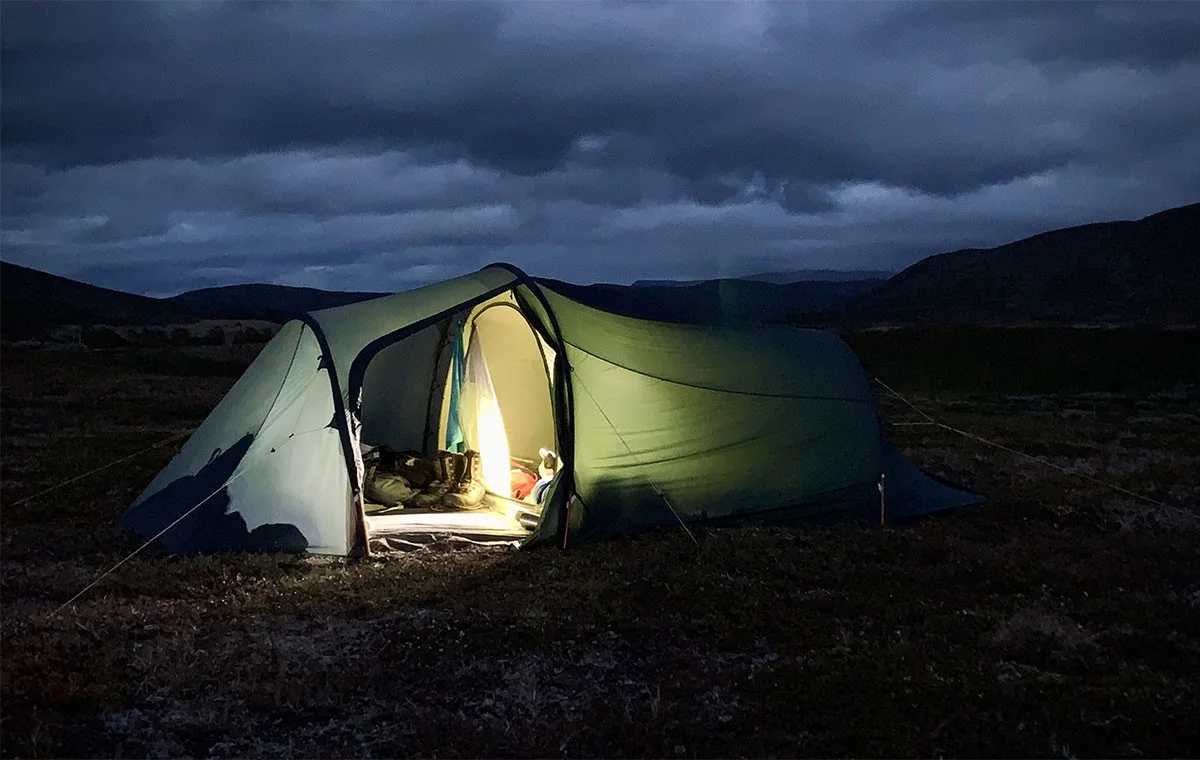
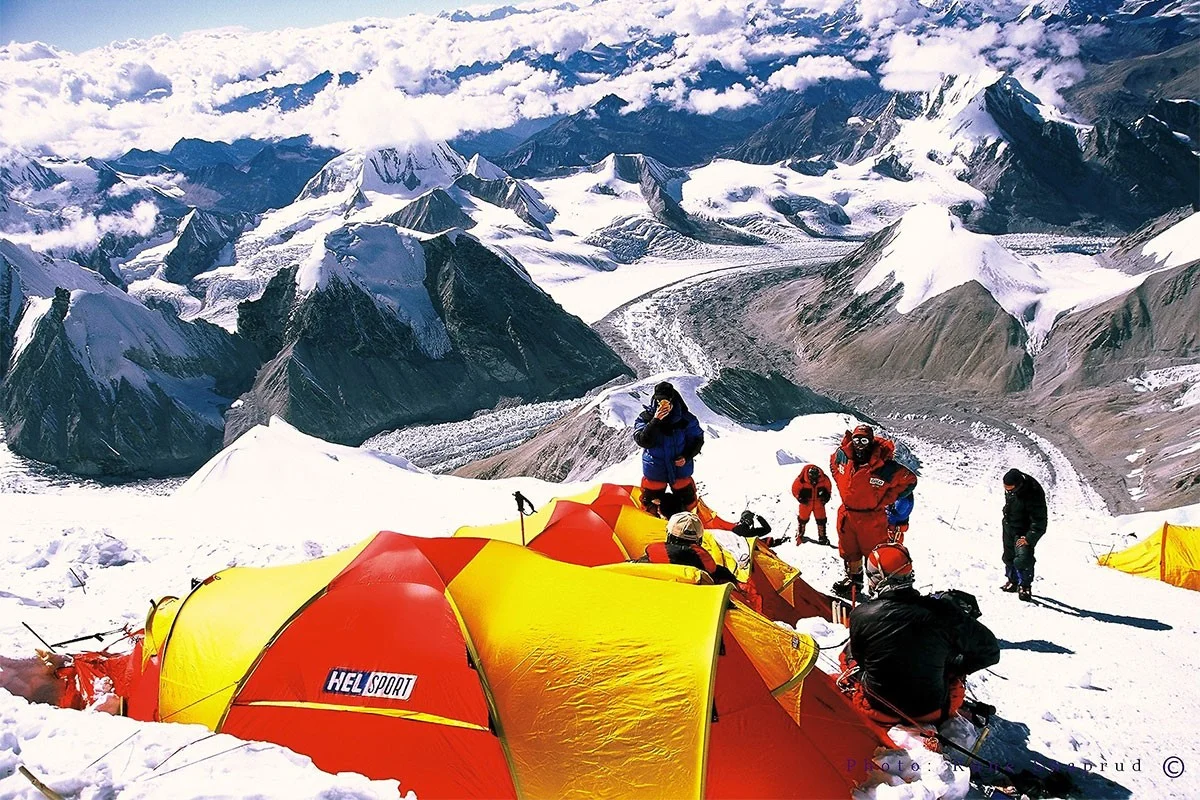
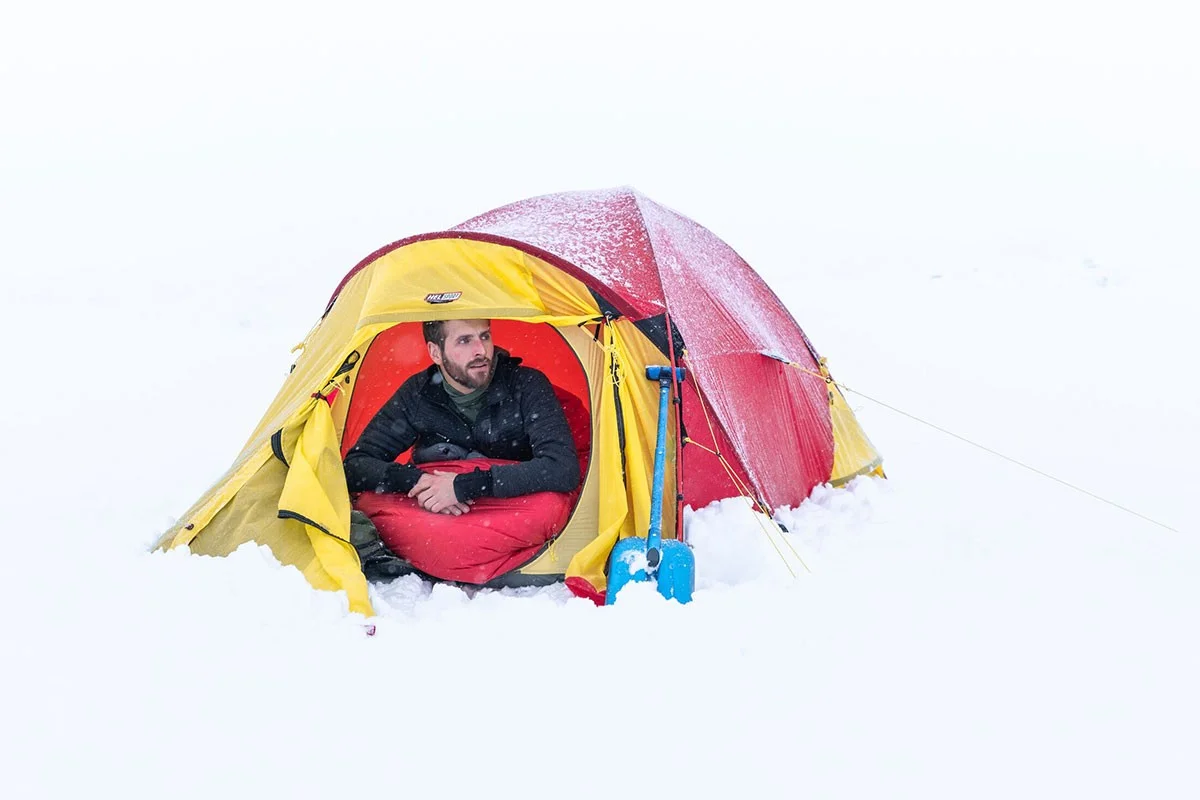
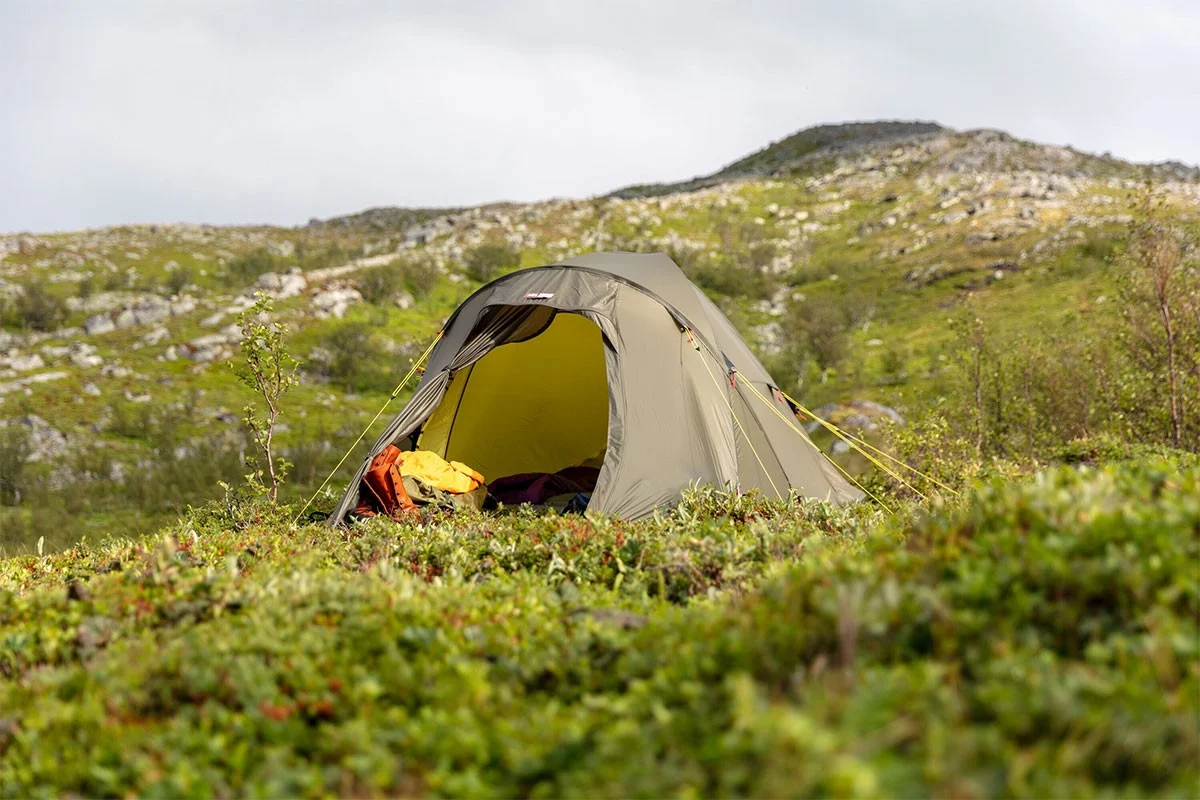
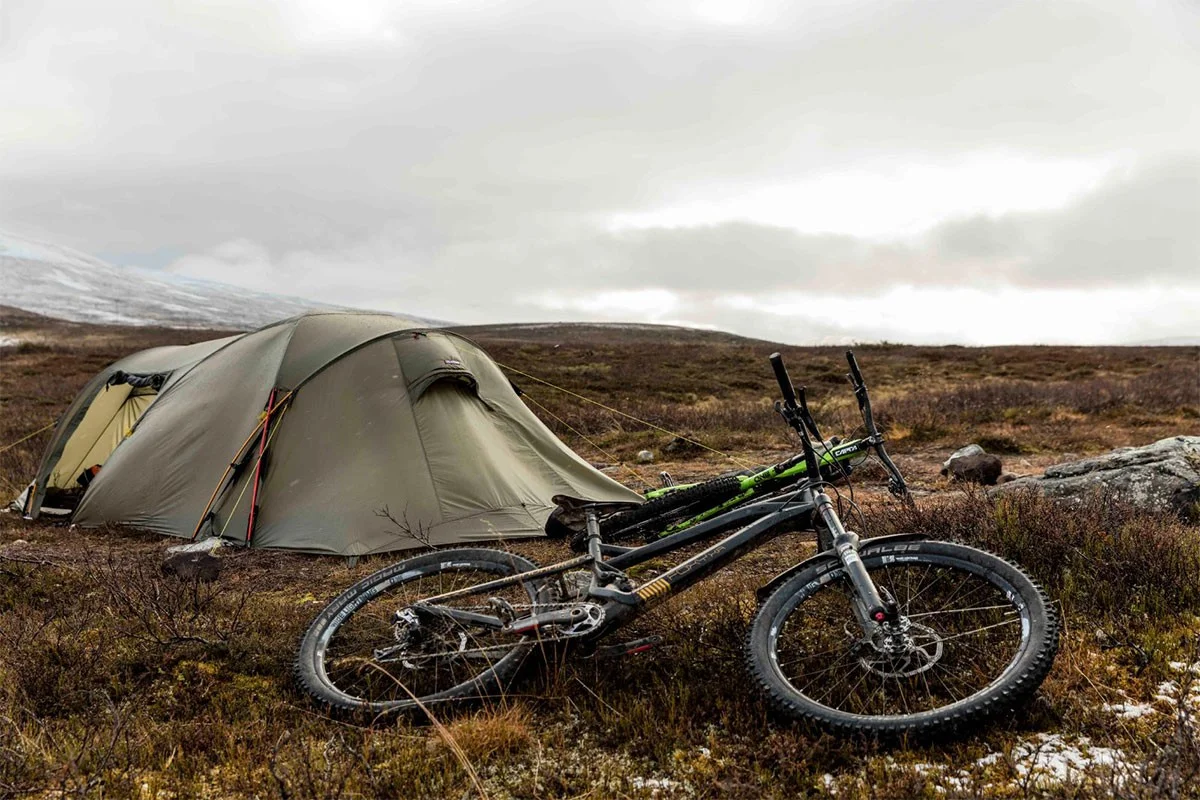
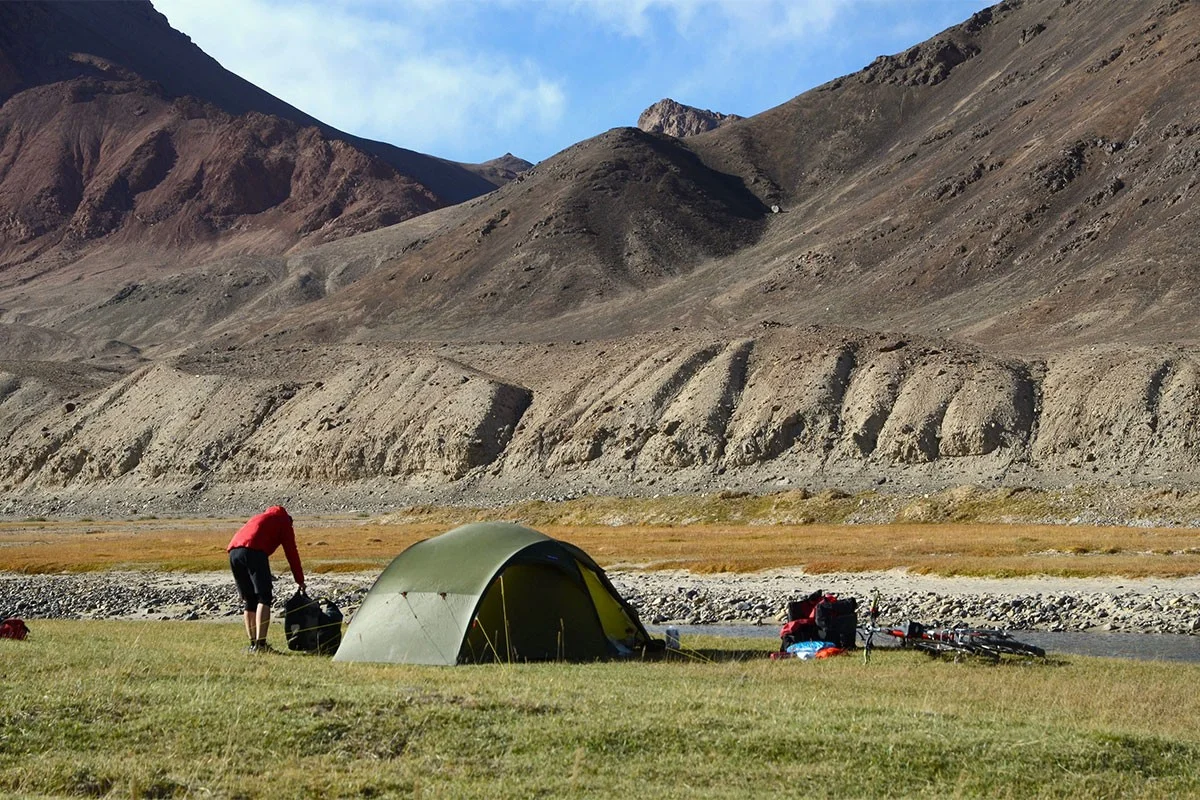
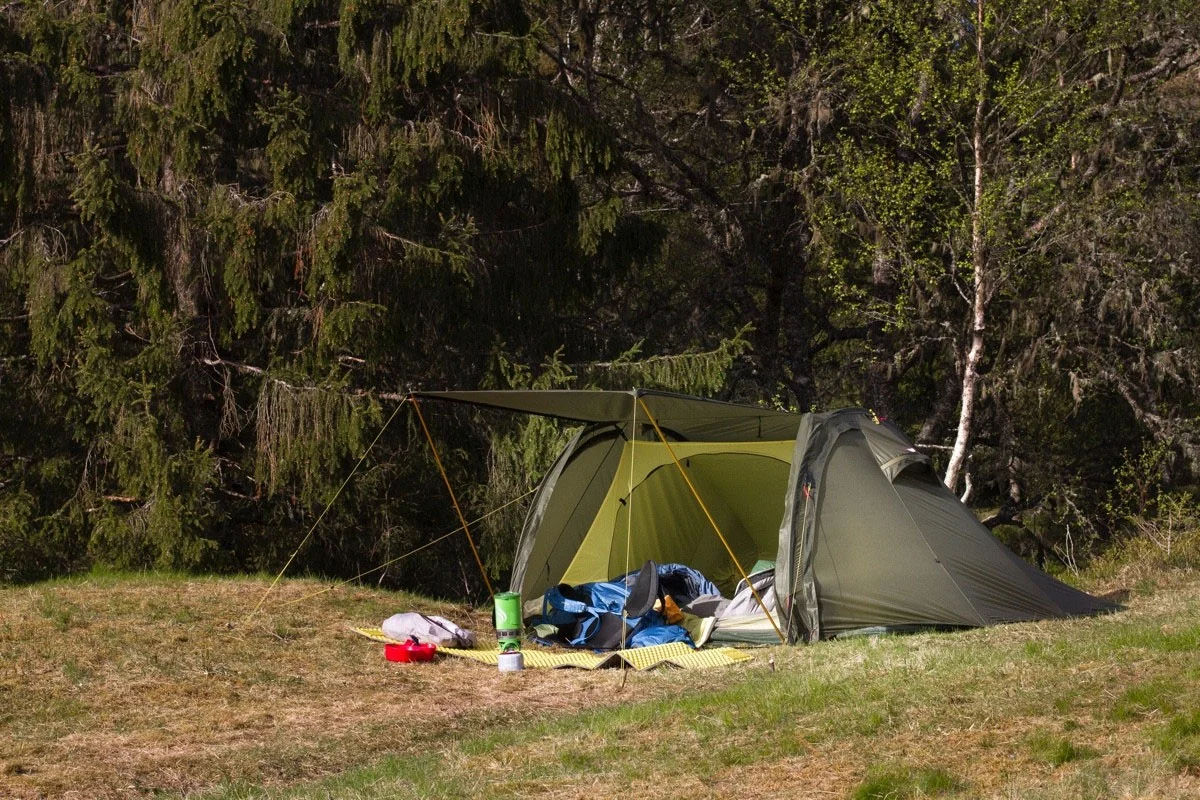
An identical listing name does not guarantee the same fabric, poles, entrances or weight. Ask the seller for labels, the complete kit and documentation. The archive gallery below illustrates different designs; it does not mean that every pictured version is currently manufactured or available to buy.

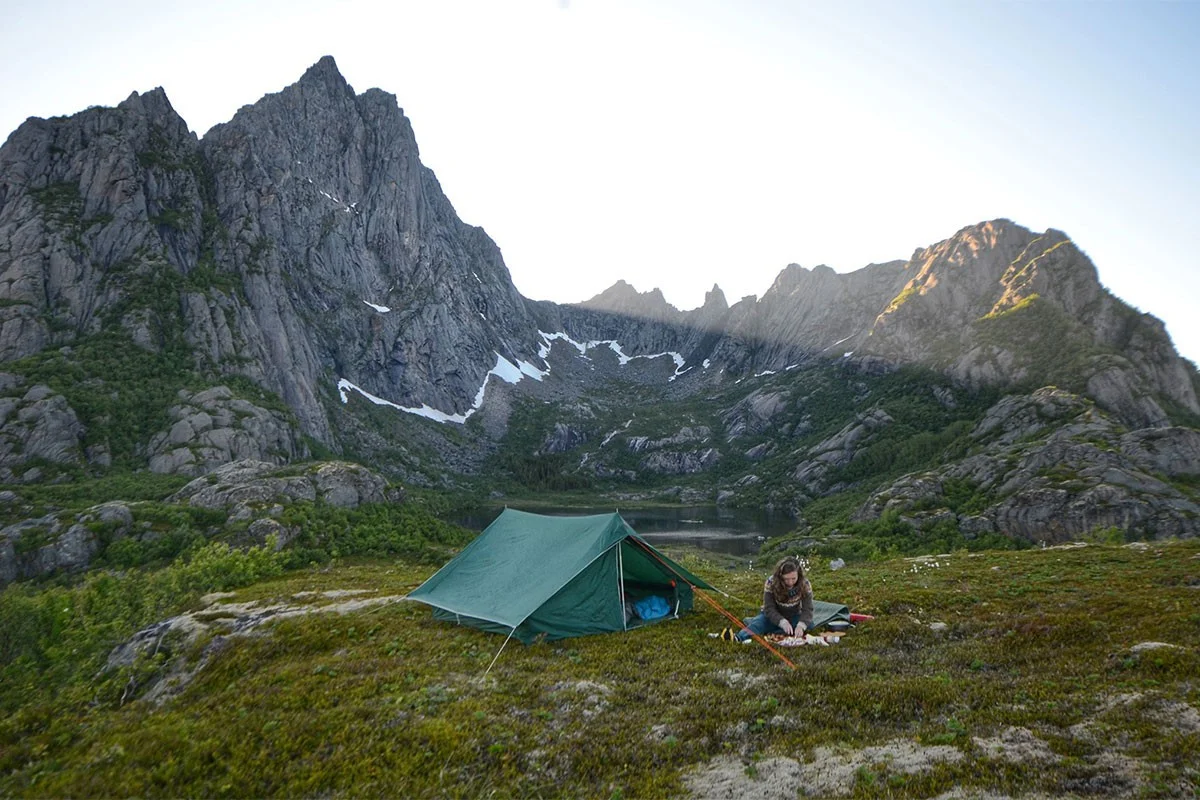
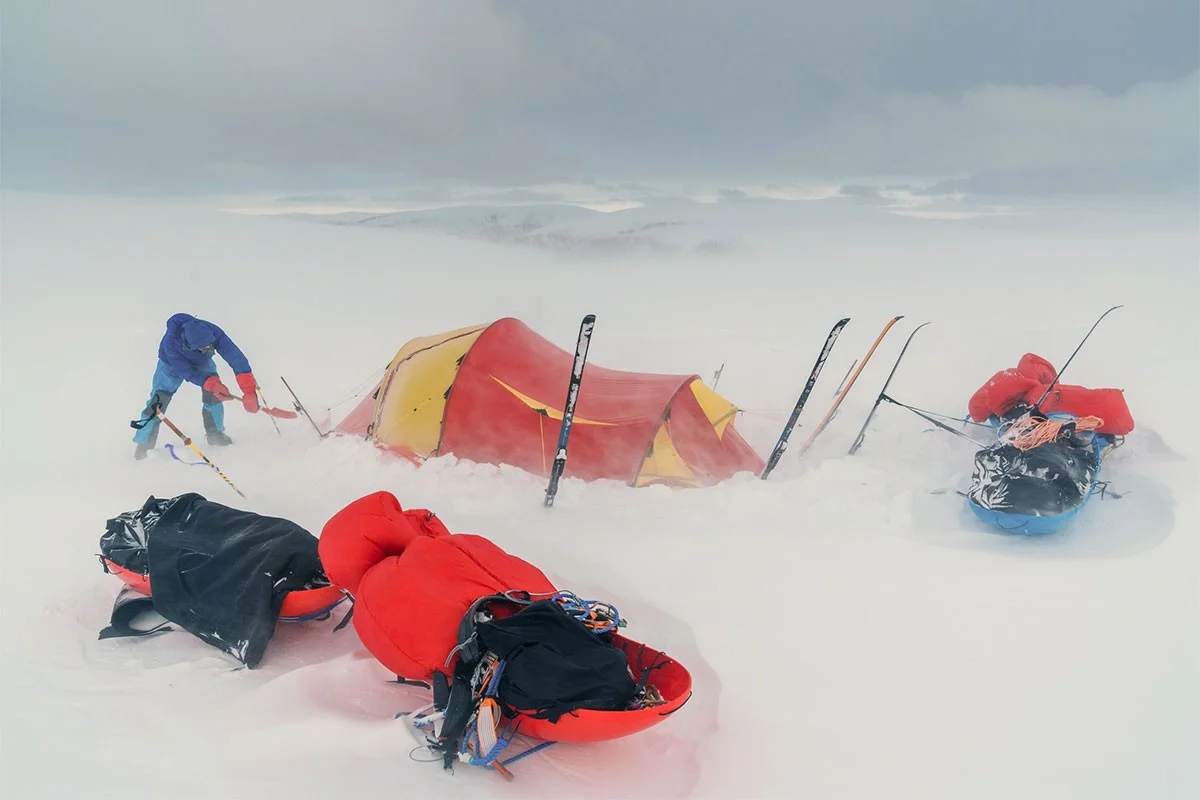
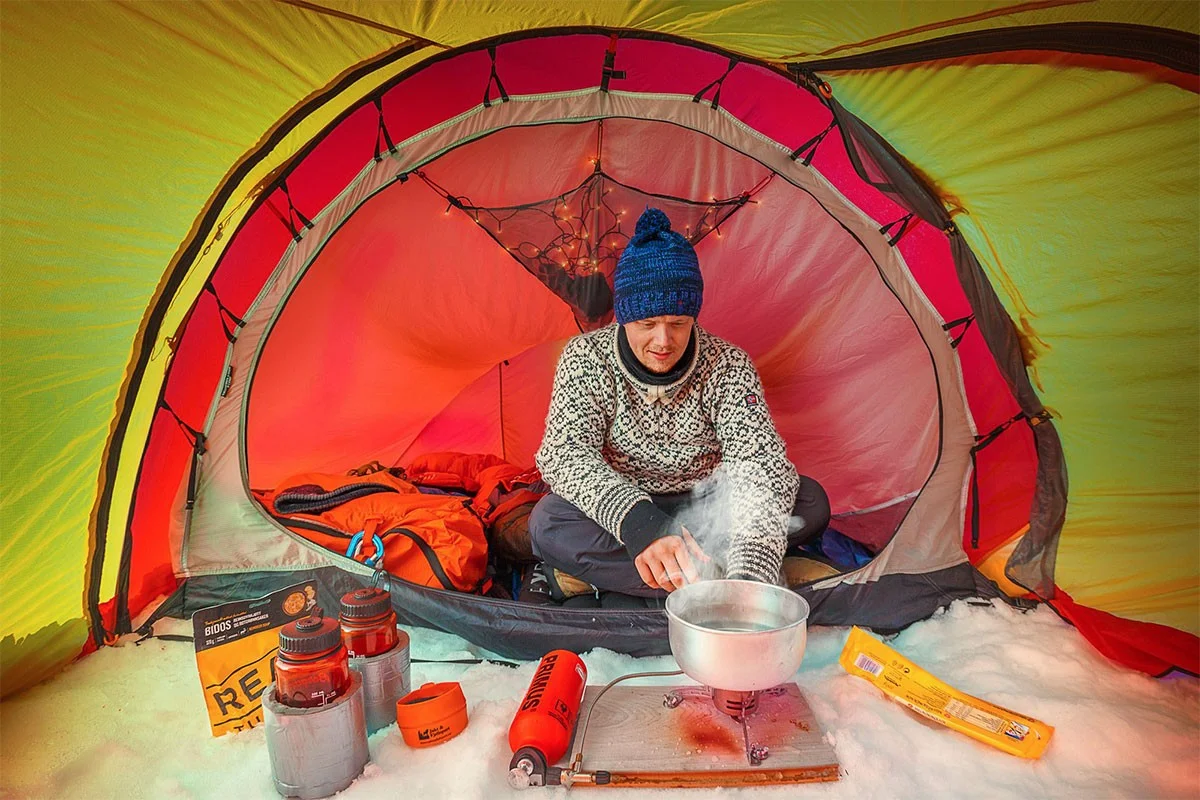
Compare the living space
Assess the length available for your sleeping mat, seated headroom and space near the walls. A vestibule is useful for wet belongings, but does not turn a tent into a place for cooking over a flame. Check whether you can reach the exit without climbing over another person and their equipment.
Understand pitching and ventilation
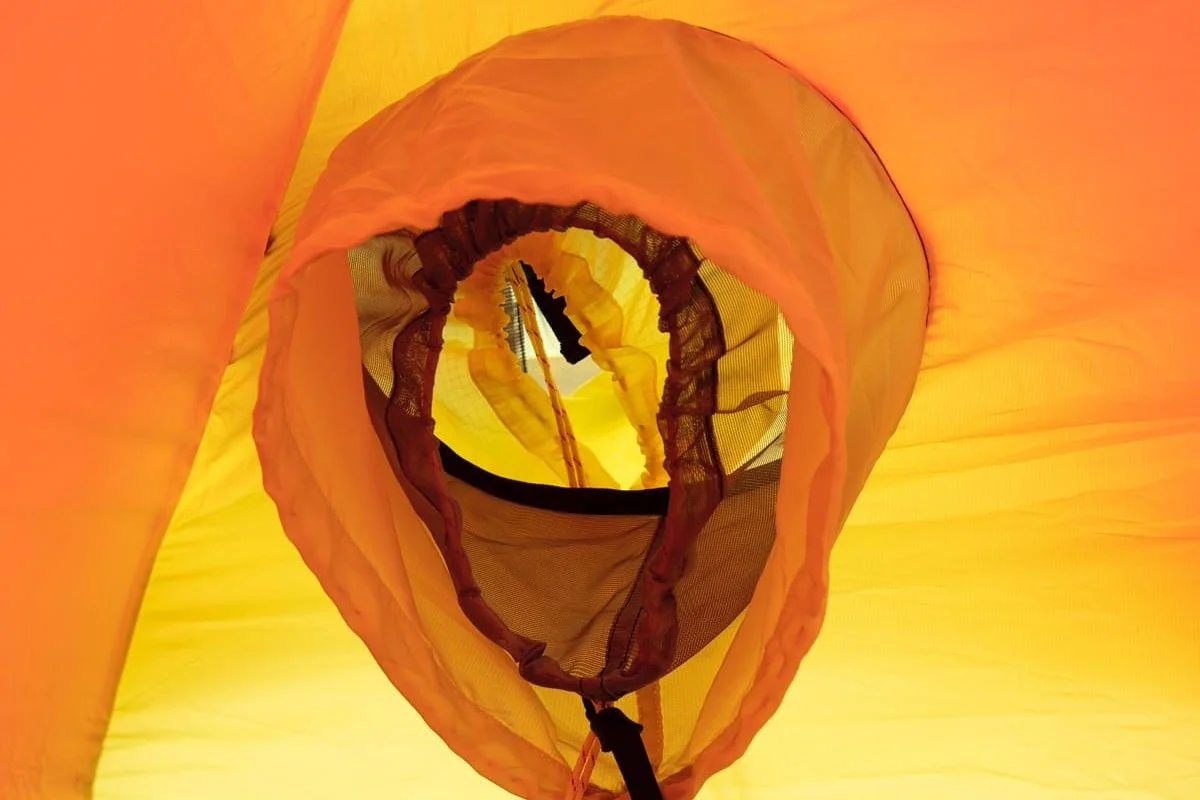
Before travelling, lay out the complete kit somewhere permitted. Learn the poles, guy lines, attachment points and ventilation adjustments. A season label does not remove the need to assess the actual weather and campsite. Condensation alone is not enough to conclude that the fabric is leaking.
Inspect condition rather than brand reputation
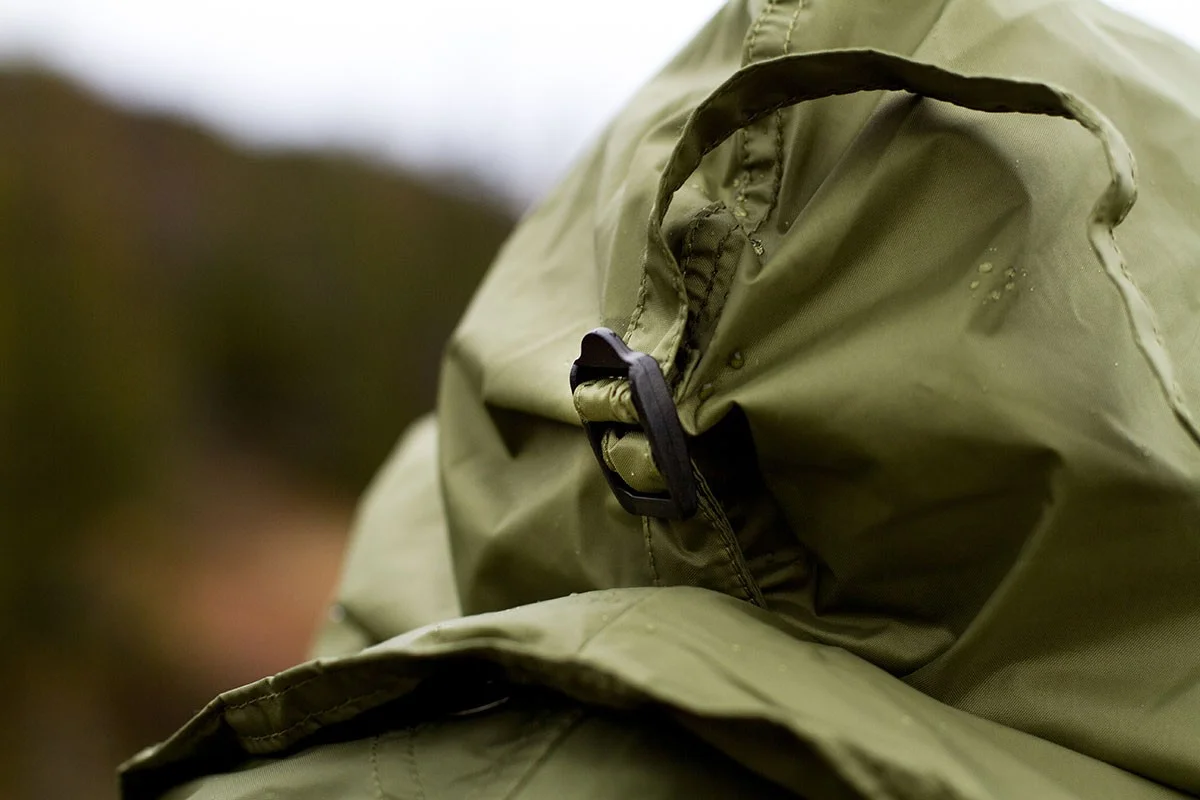
On a used tent, inspect seams, zips, fabric coatings, poles and fittings. Ask about storage and compatible replacement parts. Choose cleaning, drying and treatment methods from the instructions for that model. Do not apply an arbitrary treatment to every type of material.
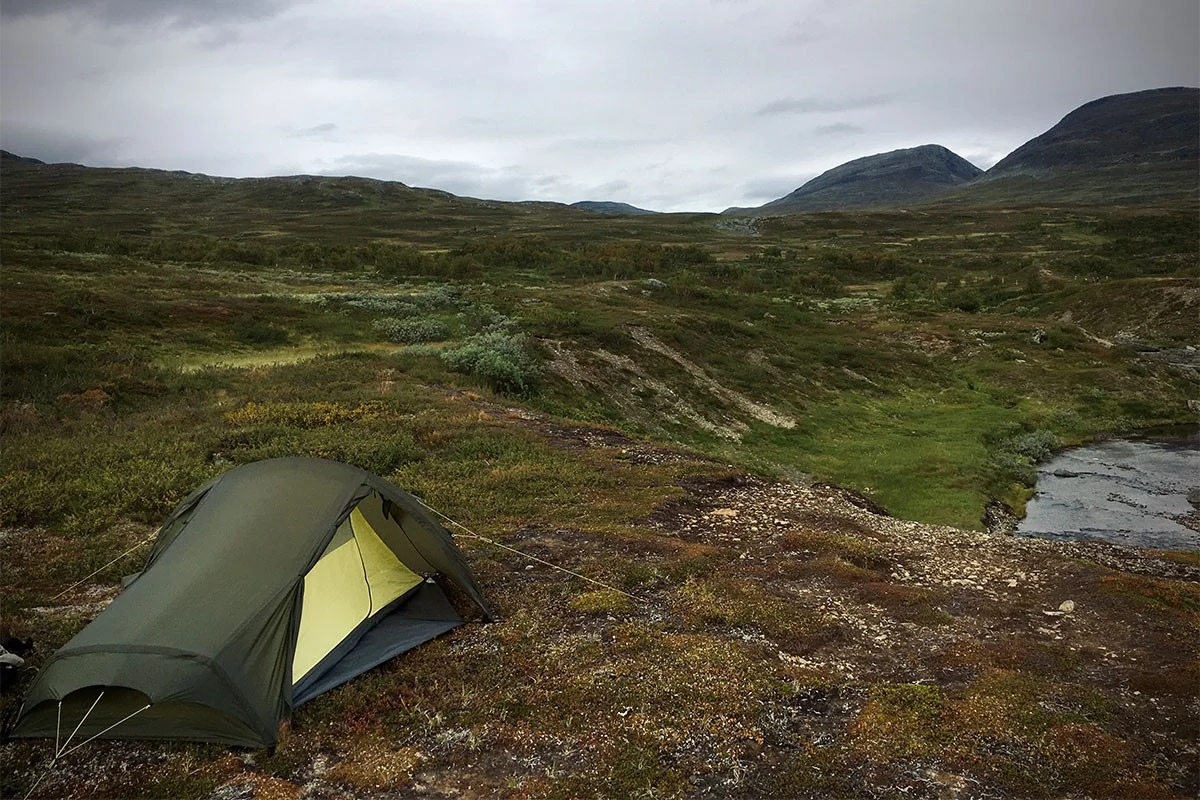
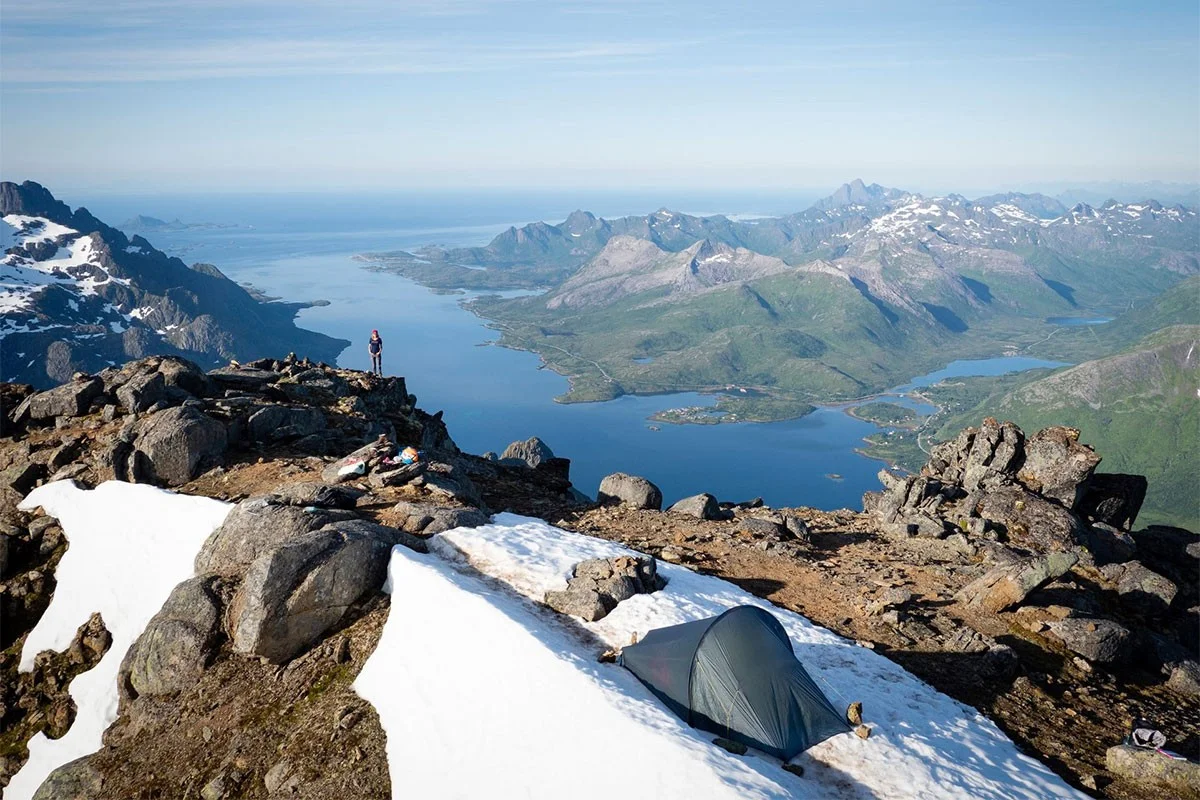
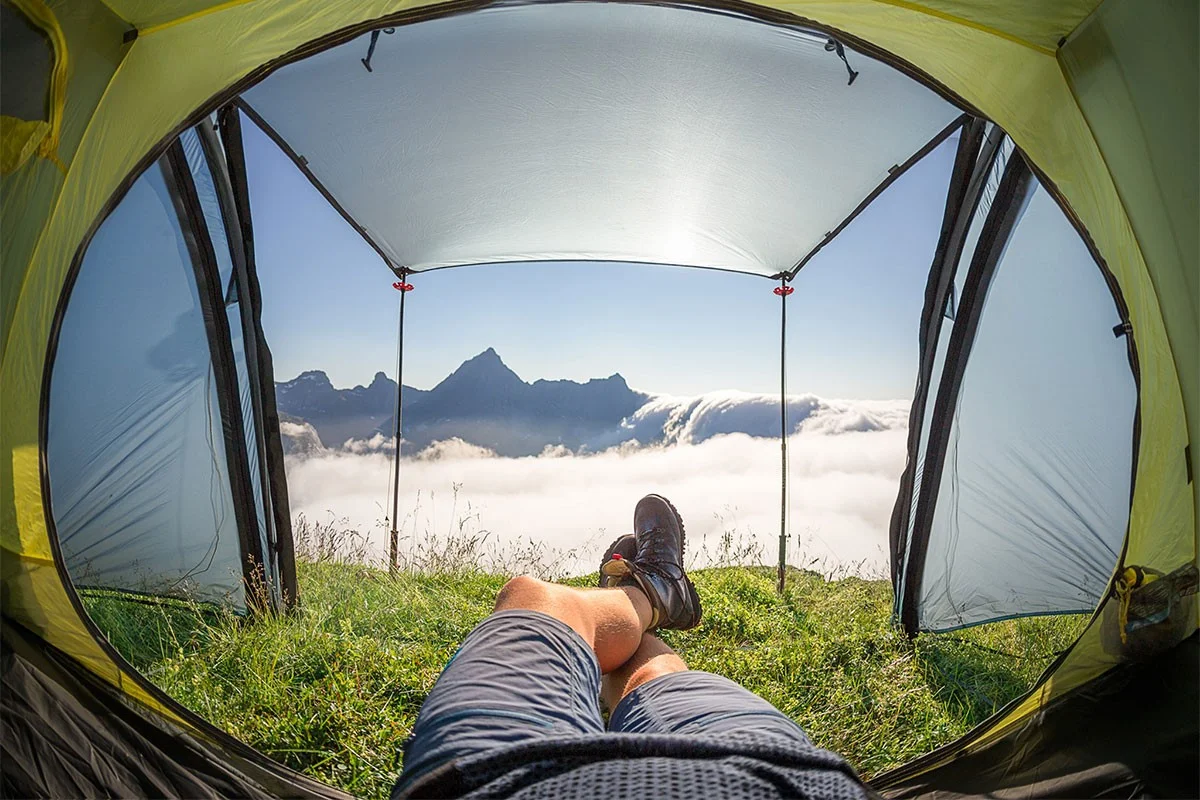
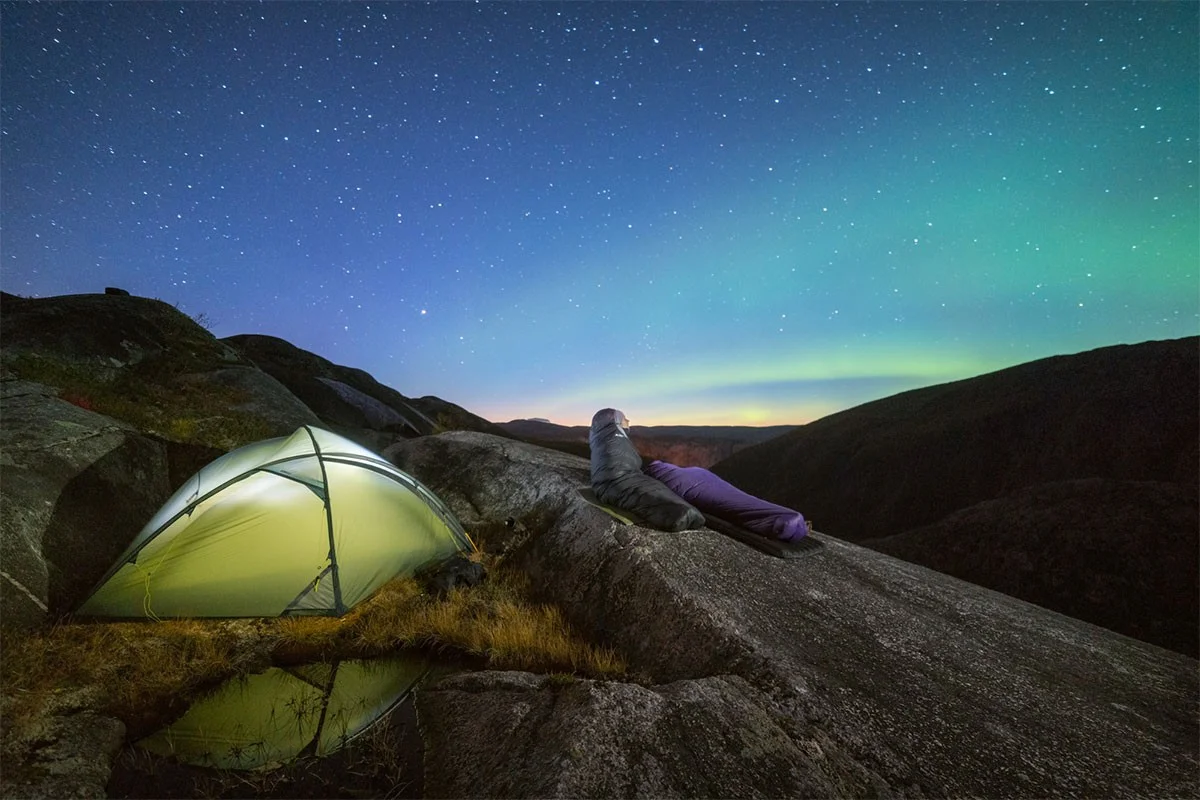
How to use the archive
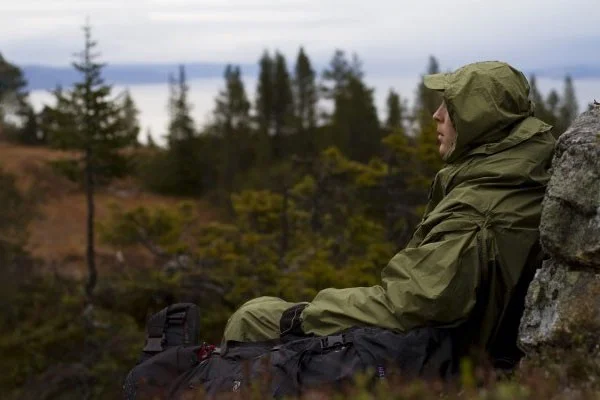
The retained photographs and videos help compare overall appearance and space arrangements. They are not independent test results. Before buying, list your trip conditions and compare them with current manufacturer documentation rather than a categorical promise in an old review.