
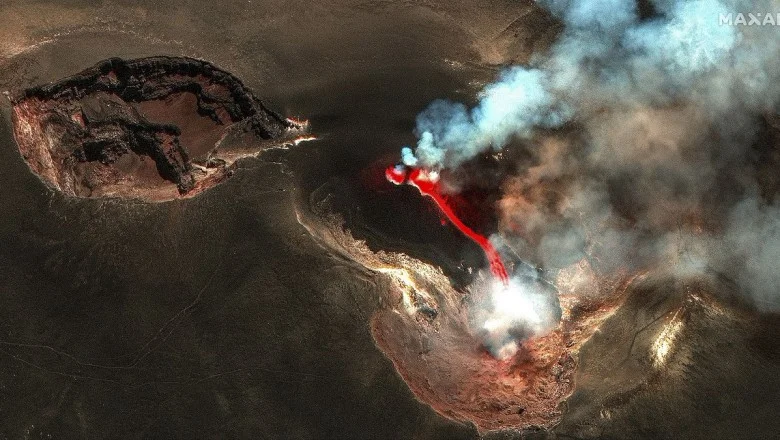
Archive illustration: it does not establish present conditions or a position in a ranking.
Start with the name and date
Make sure the report concerns the volcano you intend to visit, rather than another location in Italy. Check its publication and update times. A lava photograph may circulate between articles for years; it does not by itself establish an eruption today or availability of a tour.
Where to find official information
Italy’s Civil Protection Department map displays volcanic activity alert levels, including those for Etna and Stromboli. INGV’s observatory in Catania publishes dated updates on these volcanoes. Use these to check context rather than replace local access instructions.
Keep warning systems separate
VONA are observatory notices for aviation. Their colour codes must not be read as permission to use a hiking trail. Even a familiar word such as “green” in different systems does not establish unrestricted access: check rules for the particular area with local authorities and the organiser.
Check transport separately
Ask the carrier about your flight or sea connection, and the relevant venue about opening hours and visitor access. Keep postponement and refund terms. An old statement that “tourism was unaffected” does not guarantee that your own itinerary will operate.
Prepare a quiet alternative
Choose an alternative activity in an authorised area that does not require approaching closed land. Recheck local updates and your guide’s instructions before setting out. This article explains how to check information; it does not establish a safe distance or describe a route to a crater.