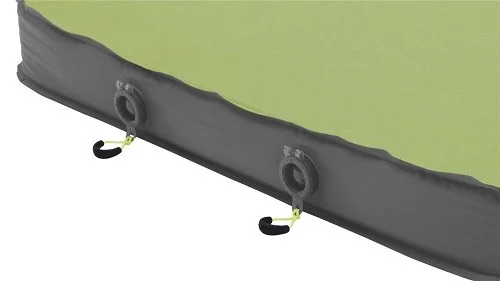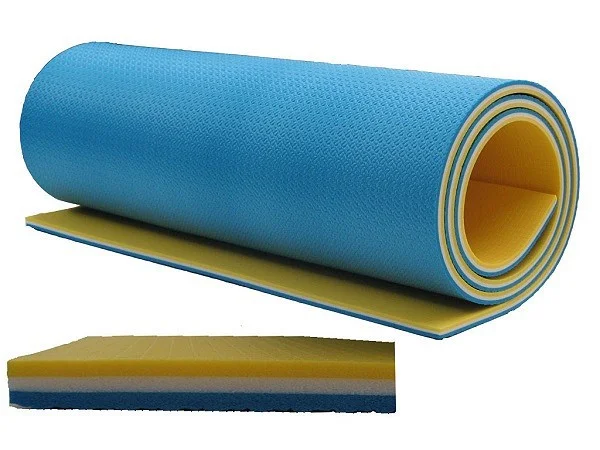
The pad and bag work together
A sleeping pad softens uneven ground and reduces heat loss through the surface beneath the sleeper. It does not replace a sleeping bag, and a bag does not remove the need for insulation underneath. Choose a system for the expected conditions rather than a promise that one item provides comfort everywhere. Model names in the archive photographs illustrate designs rather than rank current products.
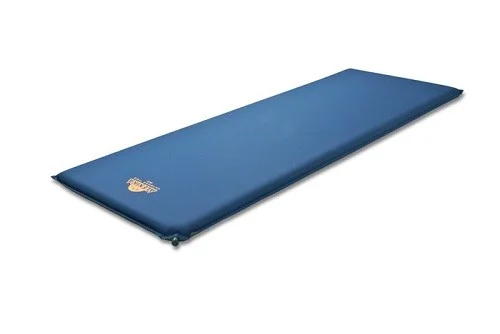
What to compare
Establish the pad type: foam, self-inflating or an inflatable chamber. A stated R-value is useful for assessing insulation when based on comparable testing. Thickness and softness alone do not show how warm you will sleep. Lie on the pad in your usual position and check its length, width and stability.
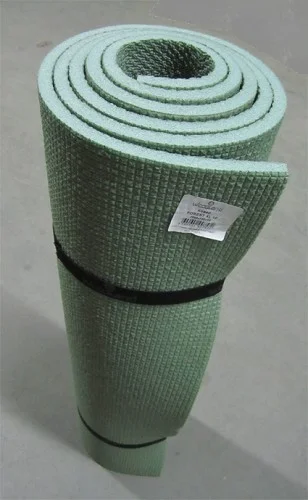
A seat is not a bed
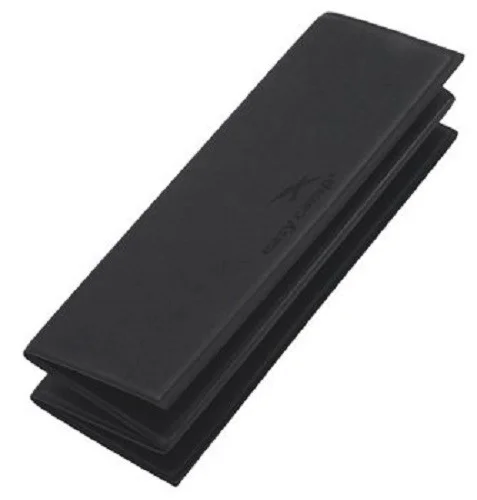
A small folding sit pad is useful during stops but does not replace a full-body sleeping pad at night. Nor does it make a cold or wet shore a safe place for a long rest. Store it so that its dirty side cannot touch clean belongings.
Preparing for the trip
For an inflatable design, check the valve and a suitable repair kit. Not every fault can be repaired; plan a backup for a remote itinerary. Inspect the pitch, remove sharp objects and follow the care instructions. Claims of an orthopaedic effect are not a useful criterion for choosing a camping pad.