Mask and fit
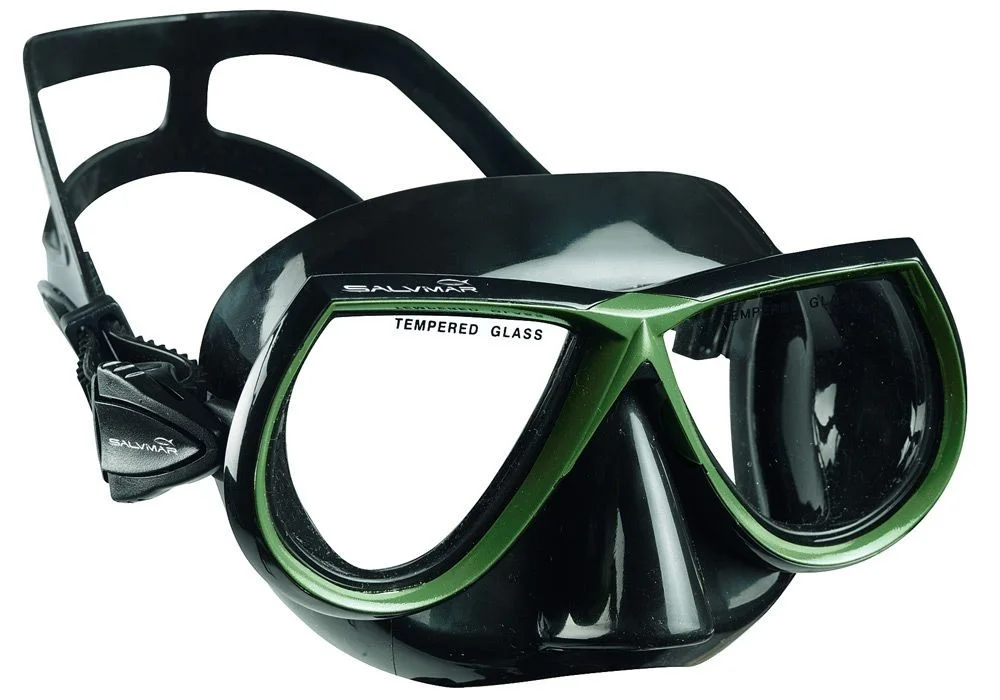
Choose a diving mask for facial fit and compatibility with the rest of the system. A dry fitting helps but cannot guarantee behaviour at depth. Learn pressure equalisation and mask clearing in lessons; a surface mask does not automatically suit diving.
Snorkel and fins
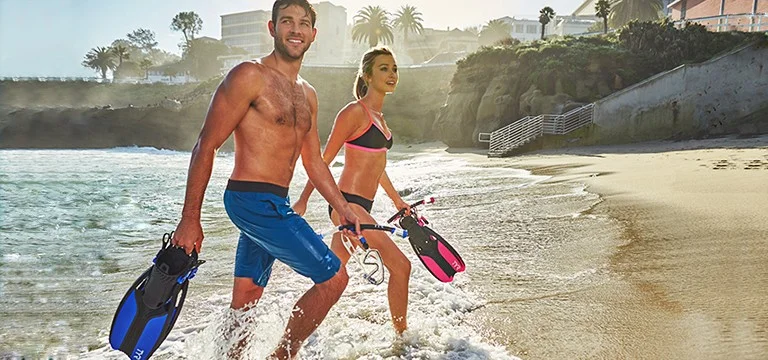
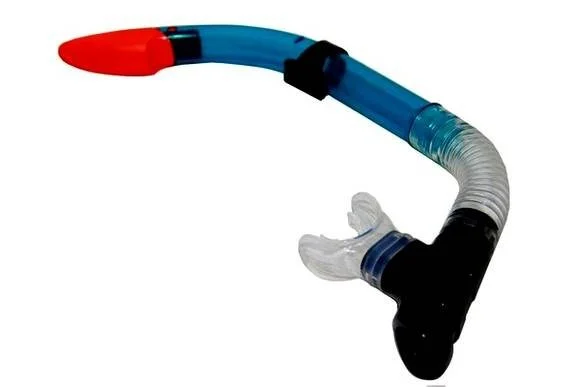
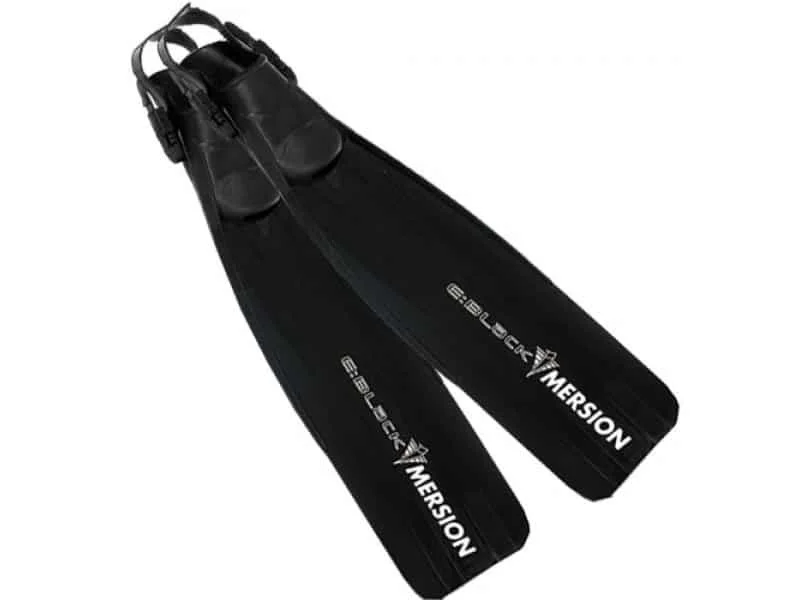
A snorkel provides breathing at the surface rather than underwater without access to air. The mouthpiece should be comfortable. Match fins to the person, footwear, environment and technique: the stiffest fins are not a compulsory professional progression. Check straps and retention.
Cold protection
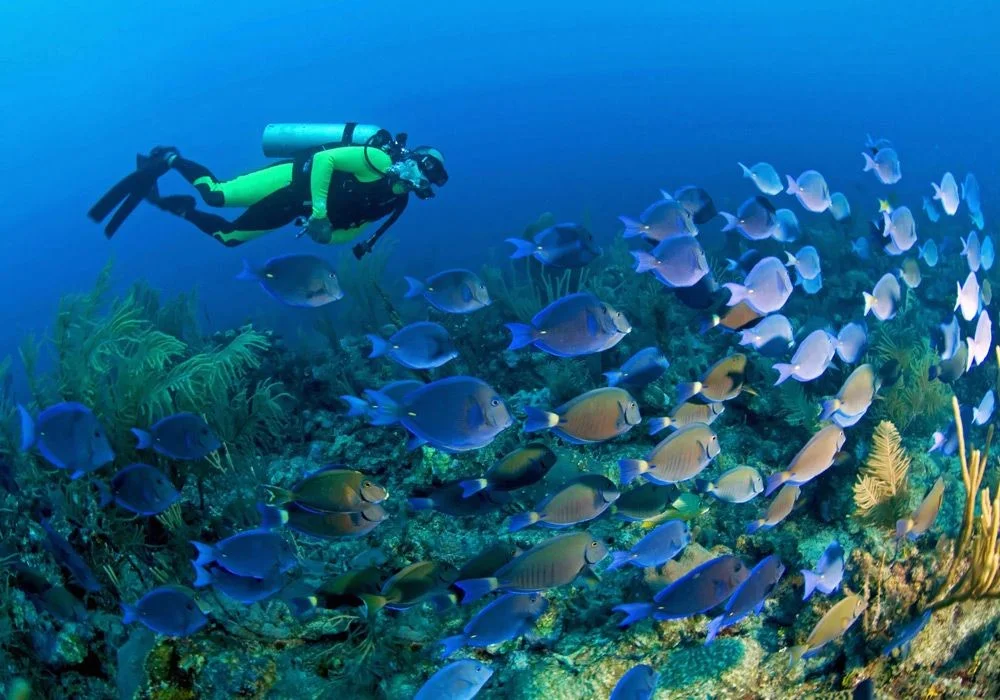
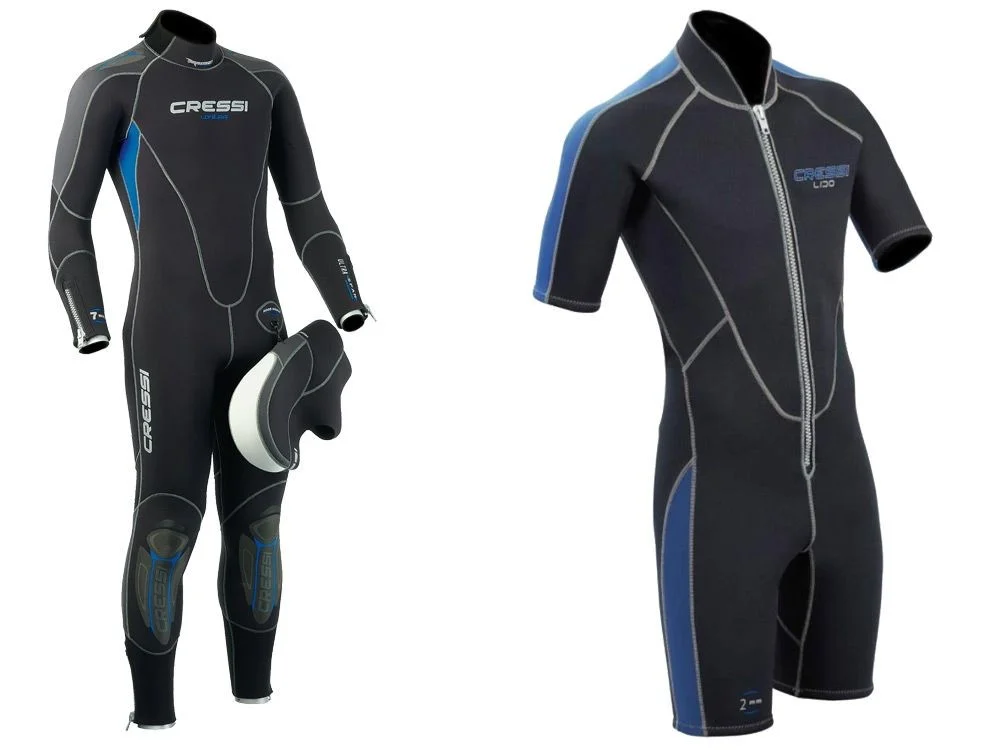
Choose wetsuit or drysuit for water, duration and training. Neoprene provides insulation rather than generating heat. A drysuit requires instruction and suitable underclothing; one temperature figure cannot define a safe dive. Fit must not restrict movement or breathing.
Regulator and buoyancy control
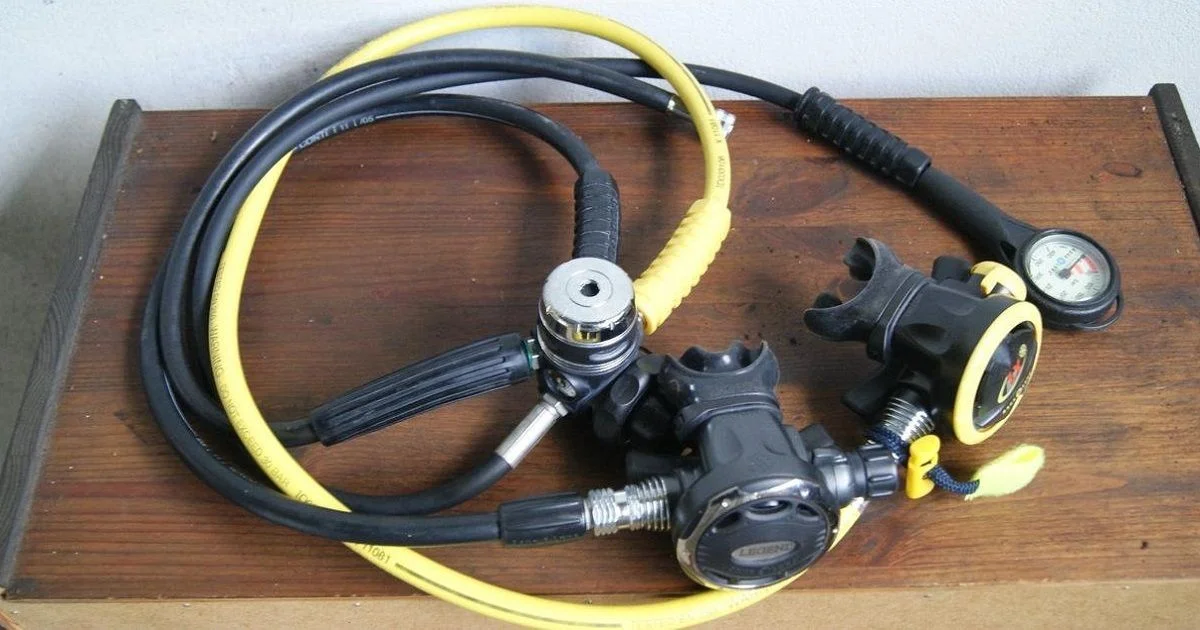
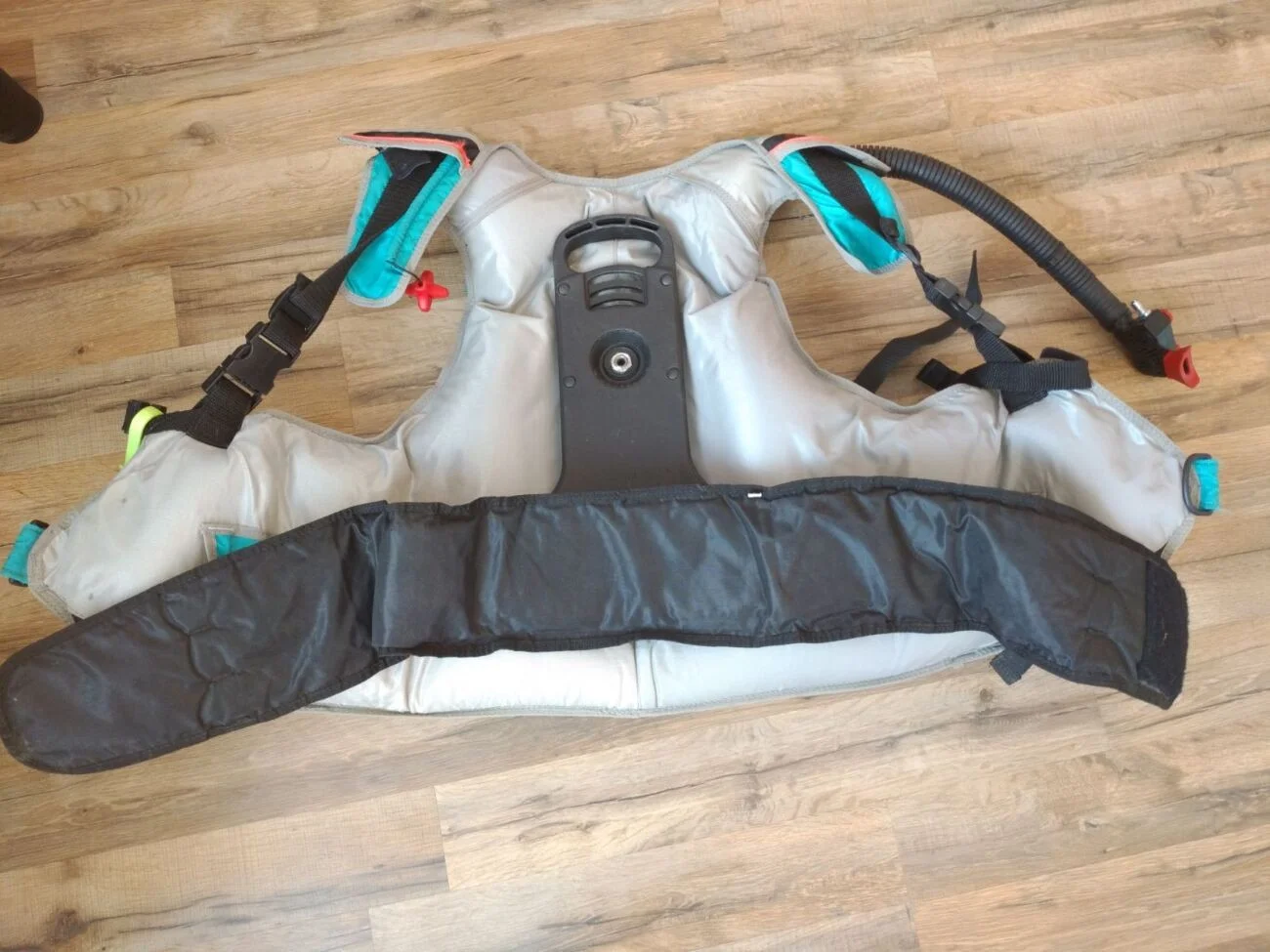
The regulator’s first stage attaches to the cylinder valve, while the second serves breathing through a mouthpiece: the old text reversed them. Have a specialist check compatibility and servicing. Match the BCD to configuration and fit; universal lift ranges cannot replace assessment. Do not conduct arbitrary pressure tests.
Instruments and preparation
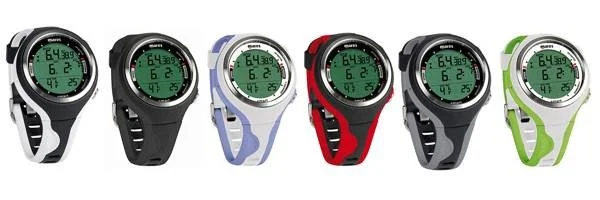
A computer displays dive parameters and calculated limits rather than measuring the body’s entire condition; not every model shows cylinder pressure. Learn your instruments, dive planning and buddy procedures. Do not classify essential life-support components as optional accessories. Start with certified instruction and sound equipment selected with an instructor.