
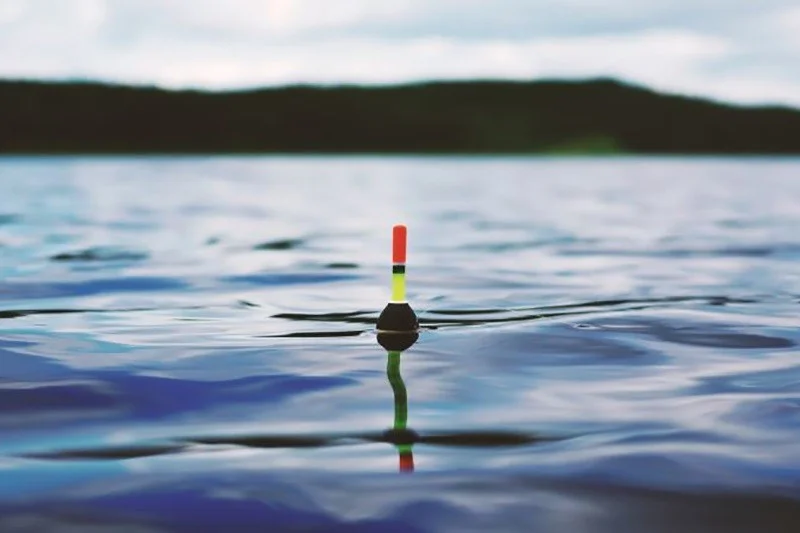
Choose the swim before the tackle
Fishing in current can mean a short trot near the bank, a long run downstream or working a particular seam. First assess safe access, depth, distance and your ability to control the rig. Similar surface speed does not imply identical conditions near the bottom.
A Bolognese rod suits many trotting methods, but is not the only correct choice. The length of the run, line control and target fish determine suitable tackle. Rod price alone does not guarantee good presentation.
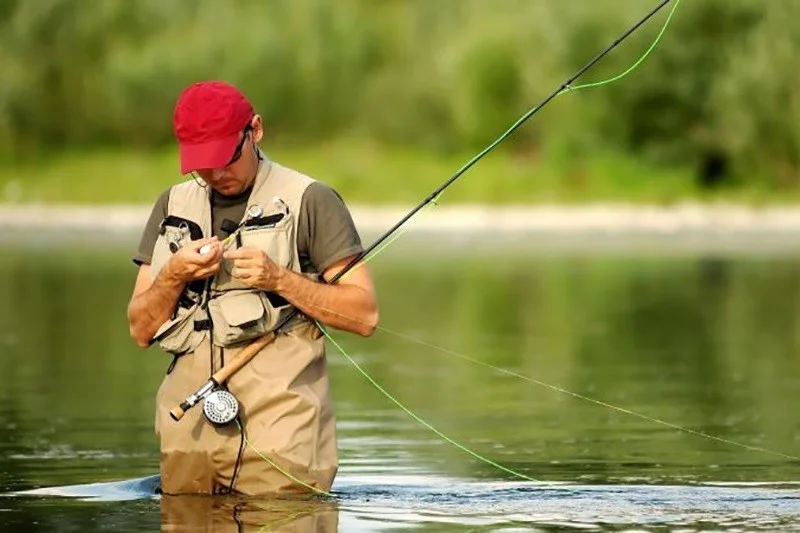
Float and shotting
Choose a float for stability, tip visibility, attachment method and required carrying capacity. Check shotting in water with the working rig. You need to detect bites while retaining control, rather than simply sinking the body to a familiar mark.
Shot distribution changes the bait’s sinking speed and behaviour. A concentrated main bulk and a spread chain of shot work differently. Do not squeeze shot tightly enough to damage the line; inspect it after making adjustments.
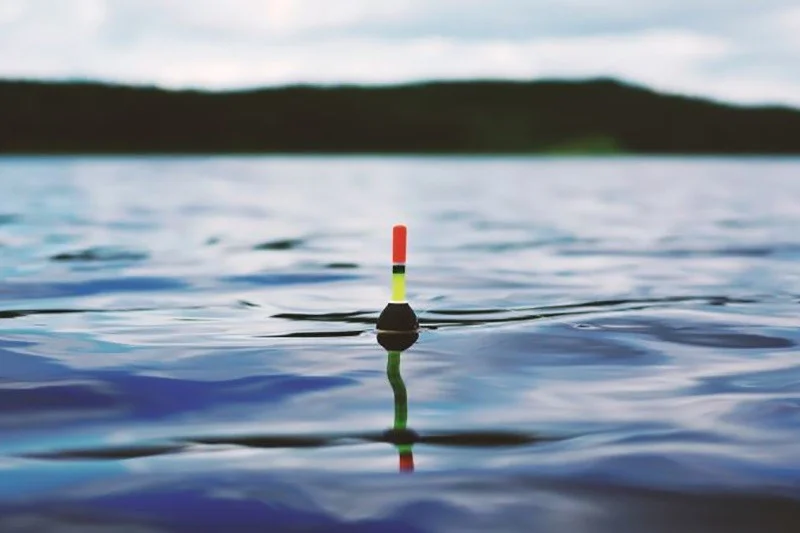
Gentle current
In gentle flow, start with a rig that lets you observe the bait sinking and then travelling downstream. If fish respond to falling bait, shot distribution is particularly relevant. Suitable float capacity also depends on depth, distance and wind.
Figures such as a compulsory four to eight grams or an exact spacing between shot are not universal recipes. Test your trot in the chosen swim: where does the rig reach fishing depth, and does the bait remain where you expect?
Moderate and strong current
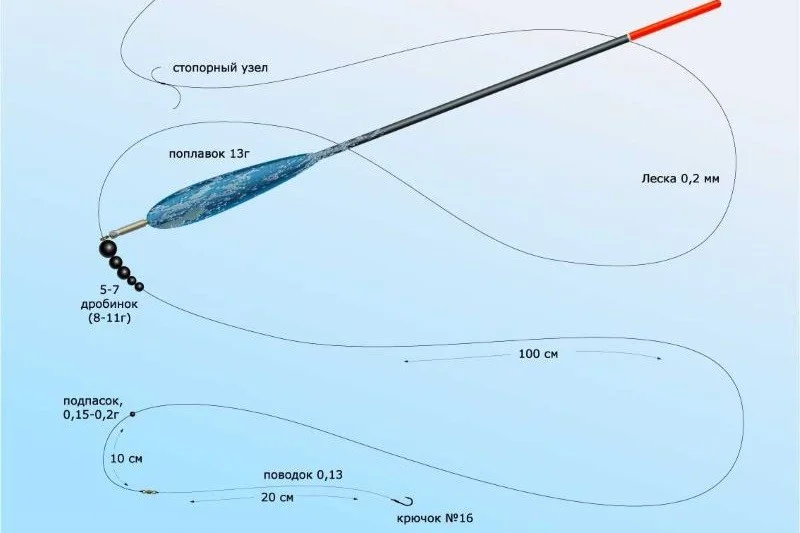
Stronger flow may require a different float shape, more carrying capacity and changes to the main shot’s position. A long hooklength lying entirely on the bottom is not compulsory, however. Excessive dragging can cause snags and unnatural presentation.
First measure depth and establish the line of the trot. Then compare a free run with controlled holding back. Excessive holding back changes the bait’s position and may pull the rig off its intended line; it is not equally beneficial in every situation.
Controlling line and bait
Rod position and line release should help the rig follow its intended course. A bow of line on the surface can pull the float and hinder bite detection. Watch what happens between rod and float as well as the tip itself.
Adjust bait depth and feed placement together. If feed travels one way and the rig runs elsewhere, changing flavours will not solve the problem. Begin with a clear target area and repeatable presentation.
Change one variable at a time
Record depth, shot position, hooklength and the nature of the trot. Changing everything at once makes results difficult to explain. Several ready-made options are convenient, but there is no compulsory set of exactly three rigs.
If control is lost, reassess conditions and the safety of your position before adjusting tackle. Do not enter a strong current for an easier cast. A useful river setup is one you can control in that swim, not one that exactly copies an arbitrary diagram.