
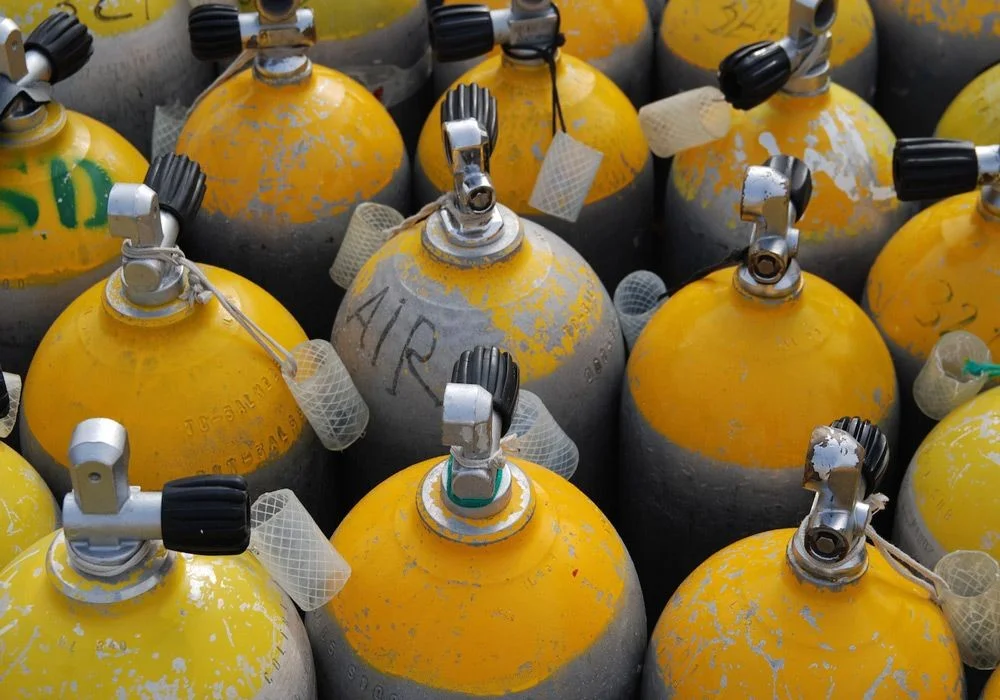
Establish the history of this cylinder
Ask for readable photographs of its markings, manufacturer and model information, and inspection records. Discuss previous use and known damage. If the seller cannot explain its origin, do not try to reconstruct its specifications from shape or colour alone.
Arrange inspection before payment
Choose a service provider competent to work on that cylinder type. Discuss what the specialist needs to assess its condition and suitability for continued use. Fresh paint does not replace an inspection, and opening the cylinder or repairing its valve at home is not a way to prepare it for sale.
Check local requirements
Inspection intervals and procedures depend on applicable requirements, cylinder type and documentation. US intervals in the DAN reference article must not automatically be treated as rules for Ukraine or another country. Ask your prospective filling station whether it will accept this particular cylinder and what evidence it requires.
Check equipment compatibility
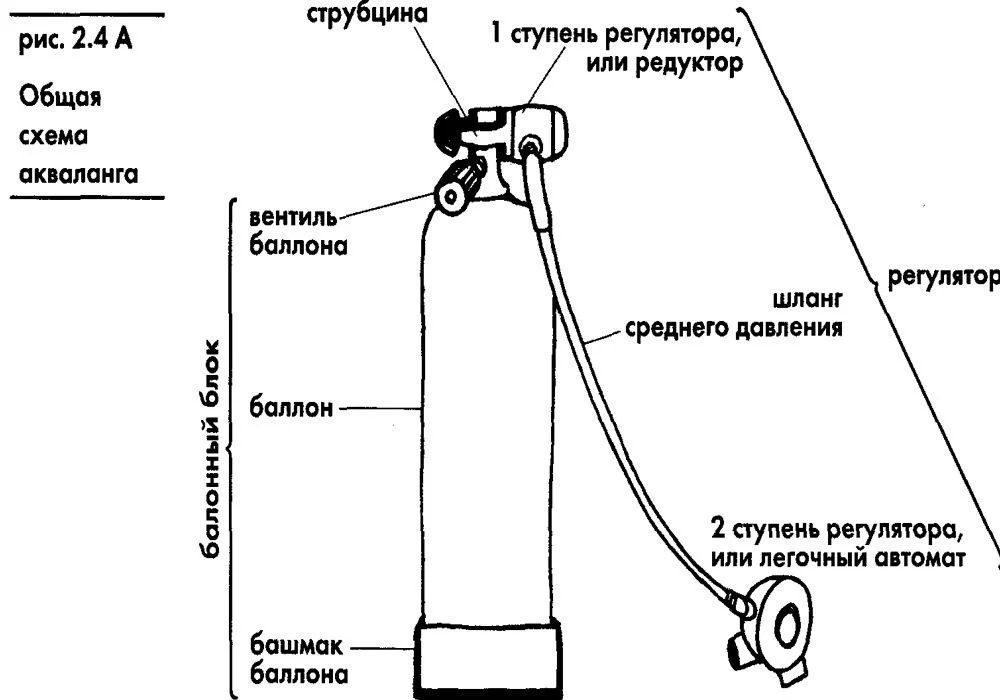
Discuss the cylinder, valve and regulator combination with your instructor and service provider for its intended use. Similar-looking connections are not necessarily interchangeable. Do not accept arbitrary adapters, thread modifications or components chosen by eye simply to save money.
Do not buy a promise of more breathing time
Nominal capacity alone does not determine how long your dive will last. Gas consumption and reserve planning belong to diver training, not a universal number in a sales listing. If documentation, a clear history or an inspection opportunity is missing, postpone the purchase. Money saved cannot compensate for unknown equipment condition.