
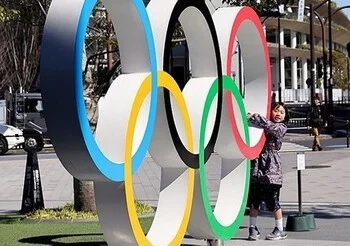
The archive illustration does not establish current rules, access or the conditions of a particular trip.
Choose more than a photo opportunity
Japan Olympic Museum identifies an Exhibition Area, Welcome Area and Monument Area. Read the exhibition description first and decide what interests your group. This makes a visit more than a photograph of the rings and helps it fit the rest of your day.
Check the museum’s own calendar
Open the Information section before travelling for exhibitions and temporary closures. Compare your visiting date with current entry conditions. Do not treat an old tourist account of quarantine requirements as today’s instructions; confirm prices and visiting arrangements directly with the museum.
Plan your approach by public transport
The Access page gives routes from stations and notes the absence of its own parking. Choose a suitable exit and save the address separately from the building’s photograph. Allow travel time from your accommodation, not just the quoted walk from a station.
Look closely at the monuments
The official outdoor-area map identifies the Olympic symbol and scale models of cauldrons from Tokyo 1964, Sapporo 1972 and Nagano 1998. Match objects with their labels rather than calling every cauldron an original or a monument to one event. Museum admission is not a ticket to a neighbouring sporting event either.
Keep a manageable walking pace
Select one next stop, a rest break and a way back, especially with children. Do not try to fit all the city’s Olympic sites into one short walk. In your own account, record the date and places actually visited; old polling percentages describe neither today’s exhibition nor every resident’s views.