
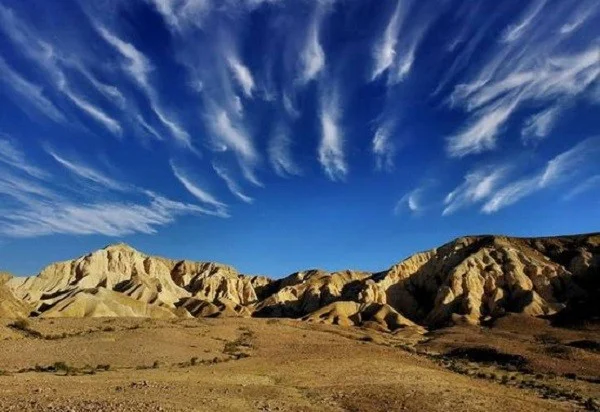
What Mapimí is
Mapimí Biosphere Reserve lies in northern Mexico, where Durango, Chihuahua and Coahuila meet. UNESCO describes it as part of the Chihuahuan Desert. It offers a chance to learn about an arid landscape, rather than evidence for stories about secret laboratories or unusual mutations.
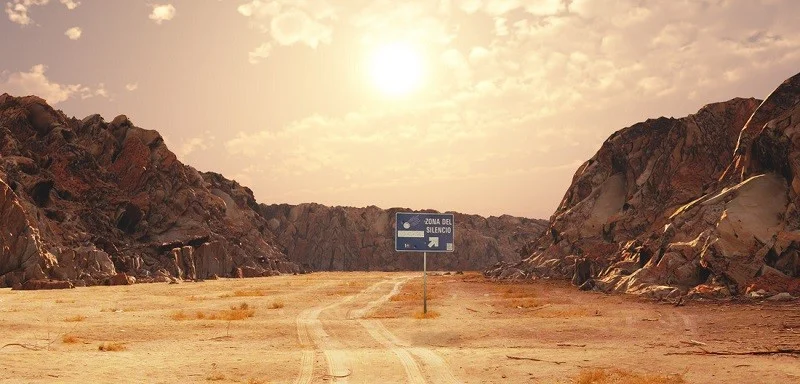
What to notice in the desert
Look at landforms, vegetation and signs of how animals adapt to dry conditions. The Bolson tortoise is one of the region’s characteristic desert inhabitants. Do not seek out animals for staged photographs: watching from a distance is more valuable than trying to touch or move them.
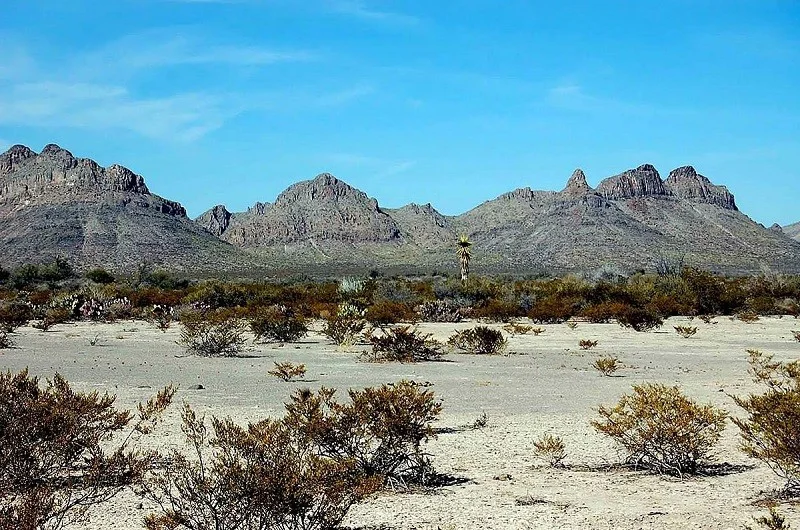
Confirm visitor arrangements first
Before travelling, contact the reserve administration or an established local organiser. Ask which areas visitors may enter, whether a guide is required and how transport works. The name “Zone of Silence” in a travel story is neither a precise address nor permission to drive freely through protected land.
Plan the journey and the return
Agree on the route, return time and water supply with someone familiar with local conditions. Check transport and communications instead of relying on a chance fuel stop or passing help. Stay on authorised roads rather than driving off for a better camera angle. If practical questions remain unanswered, change the plan rather than turn the visit into a search for a way out of the desert.
Separate observations from claims
Keep landscape photographs and notes about what you actually saw. Stories of vanishing radio signals and visitors from space can be treated as local folklore, but should not be presented as verified properties of the reserve. This makes a travel account more useful to the next visitor.