
Illustrative photo: camp near the Appalachian Trail, USA. USGS / Jeff Marion · Public domain · Original photo
During movement and a long stop on the shore the same items feel different. Plan your kit according to activity intensity, precipitation and the ability to quickly add or remove a layer.
What to pay attention to
Layers with different functions
The base layer provides comfort against the skin, the insulating layer provides warmth, and the outer layer provides the needed protection from the elements. The specific material is chosen for the activity. A too‑tight outer layer restricts movement and makes temperature regulation harder.
Check in motion
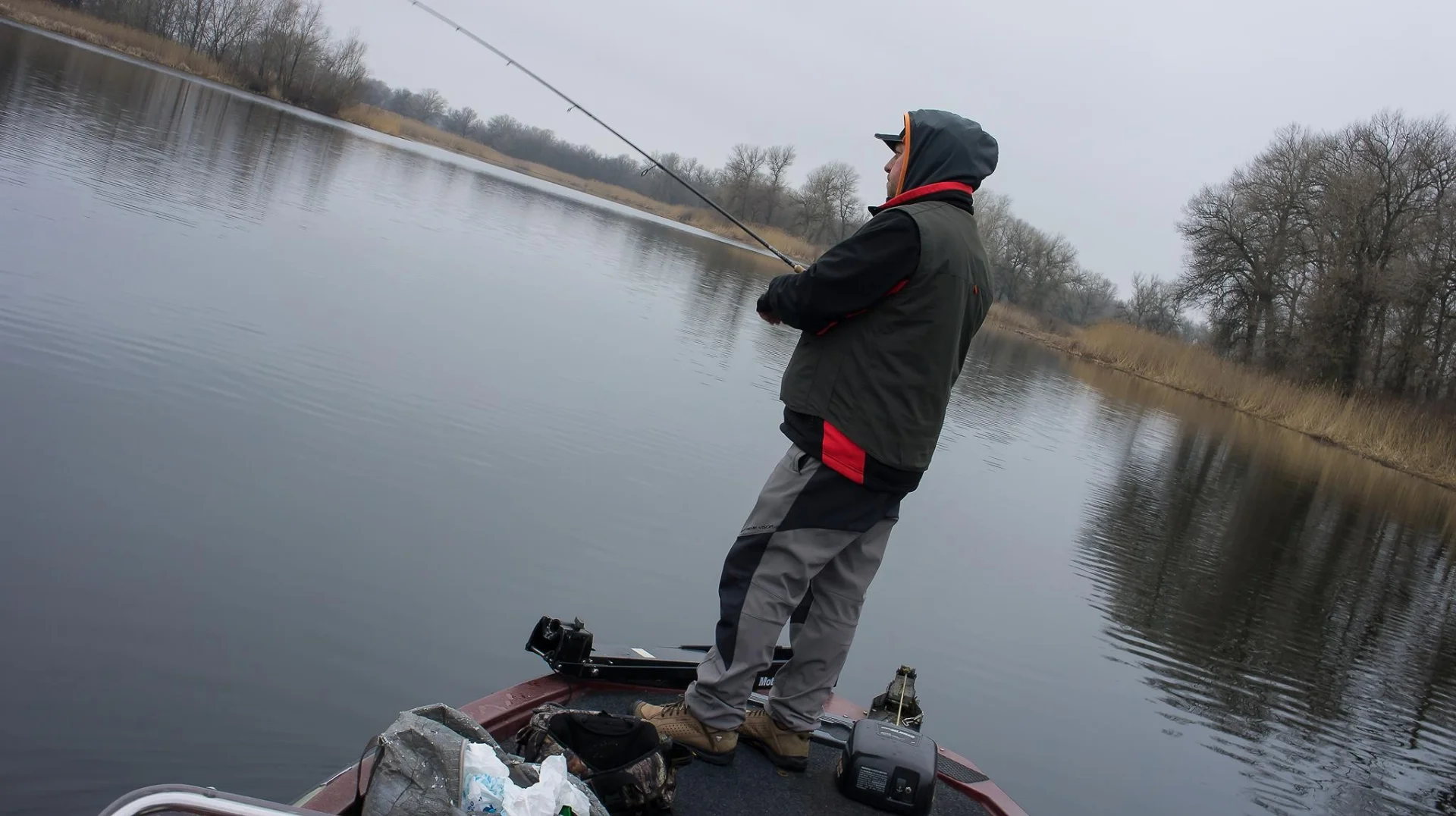
Raise your arms, sit down and walk around in your full outfit with your backpack on. Check how straps sit against your clothing and how easily you can use the pockets. A new item may feel comfortable in the fitting room but hinder you during a cast or paddling.
Dry reserve
Pack spare clothing separately from wet gear. Plan ahead how to change after rain. After returning, follow the manufacturer’s washing and restoration recommendations.
Leave a reserve in the plan
Create a simple plan: where the route starts, how to return and when to inform relatives of completion. Count time for rest, photos and route finding separately. If the group gets tired or the weather changes, shortening the walk is a normal decision. It’s better to prepare a short backup option at home when you have a signal and time to calmly assess the options.
Practical summary
A practical set of layers lets you adjust your clothing before you get too hot or too cold. Test it on a short walk, and save challenging conditions for already proven gear.
Next step: open the departure plan and the map of locations, to link the recommendations with a specific outing. Check current access to the chosen area before you go.