Start with the seller
Buying from the brand itself or a verified authorised dealer and keeping the receipt provides a more reliable route. An unusually low price is a reason to investigate origin rather than proof of a counterfeit by itself. Discounts, condition and model age also affect cost.
Frame and logo
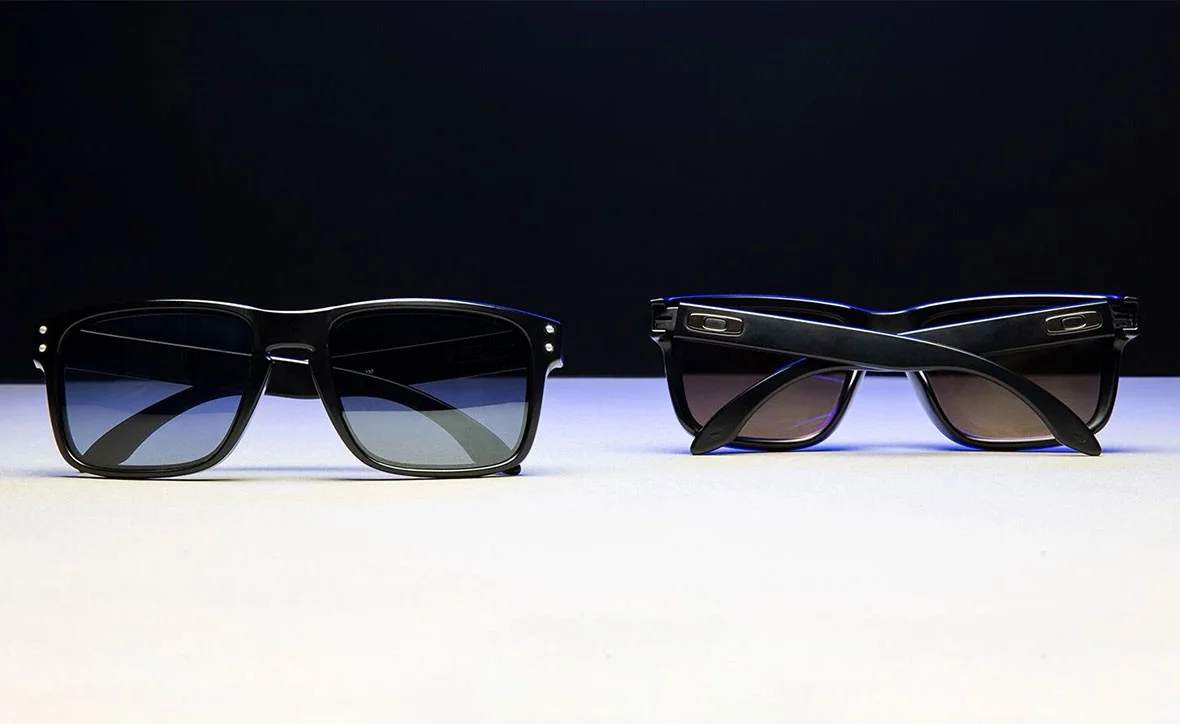
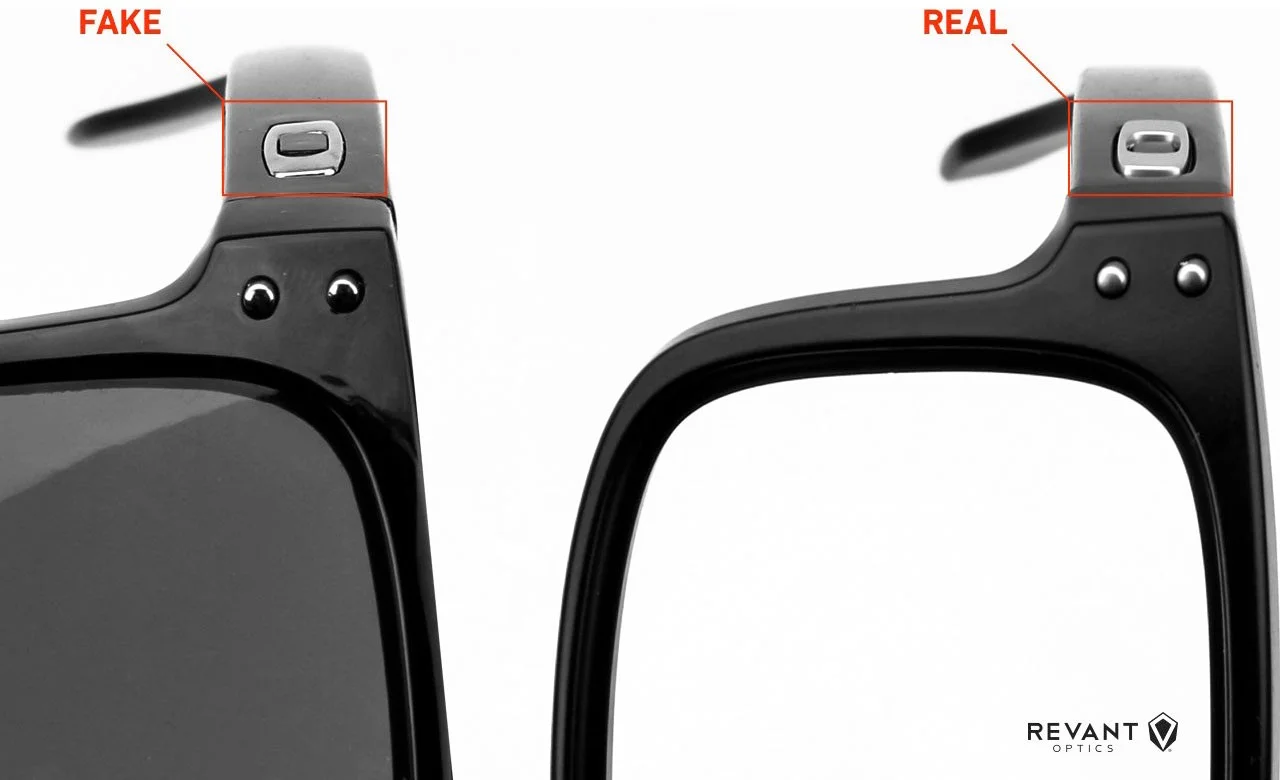
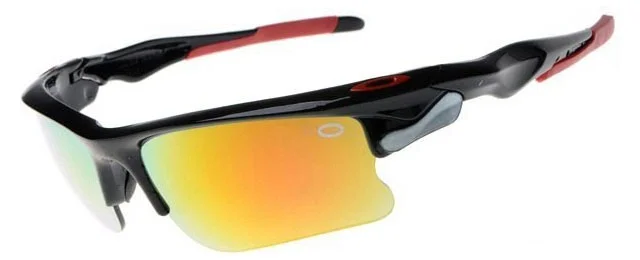
Compare the exact model, colour and finish with official material for the relevant generation. Poor assembly and a misplaced symbol raise questions, but a neat logo can also be copied. Do not scratch the frame to test plastic colour: different coatings and materials cannot fit one rule.
Lenses and markings
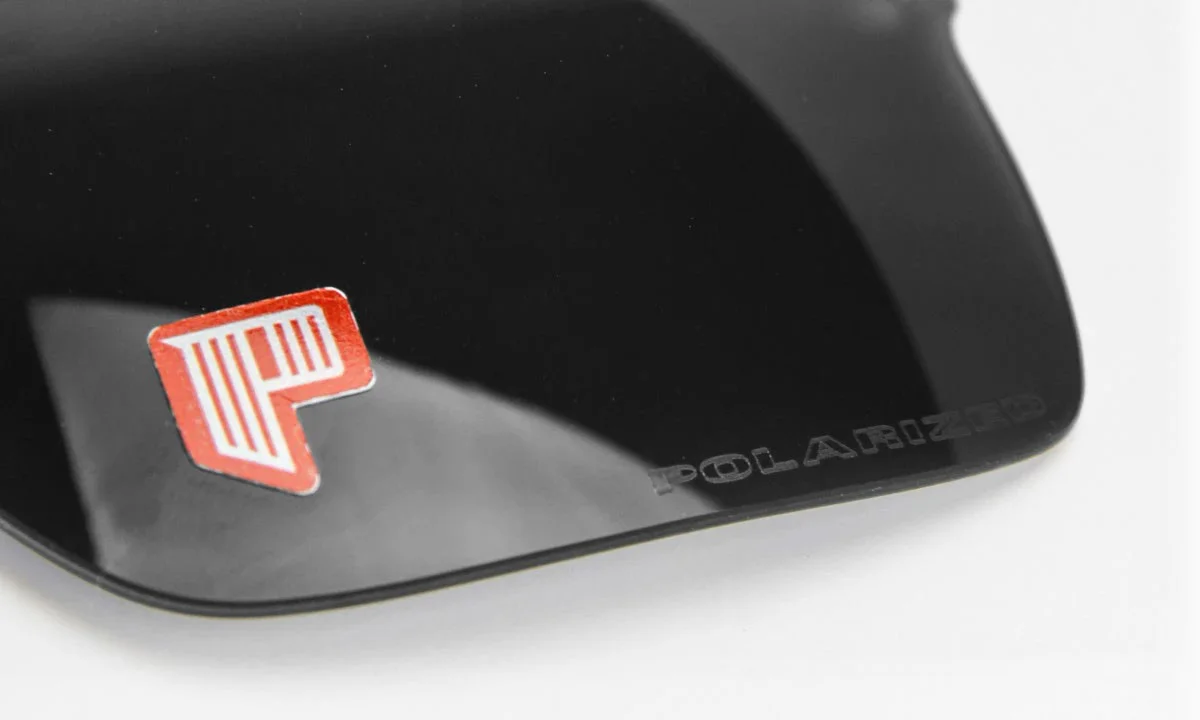
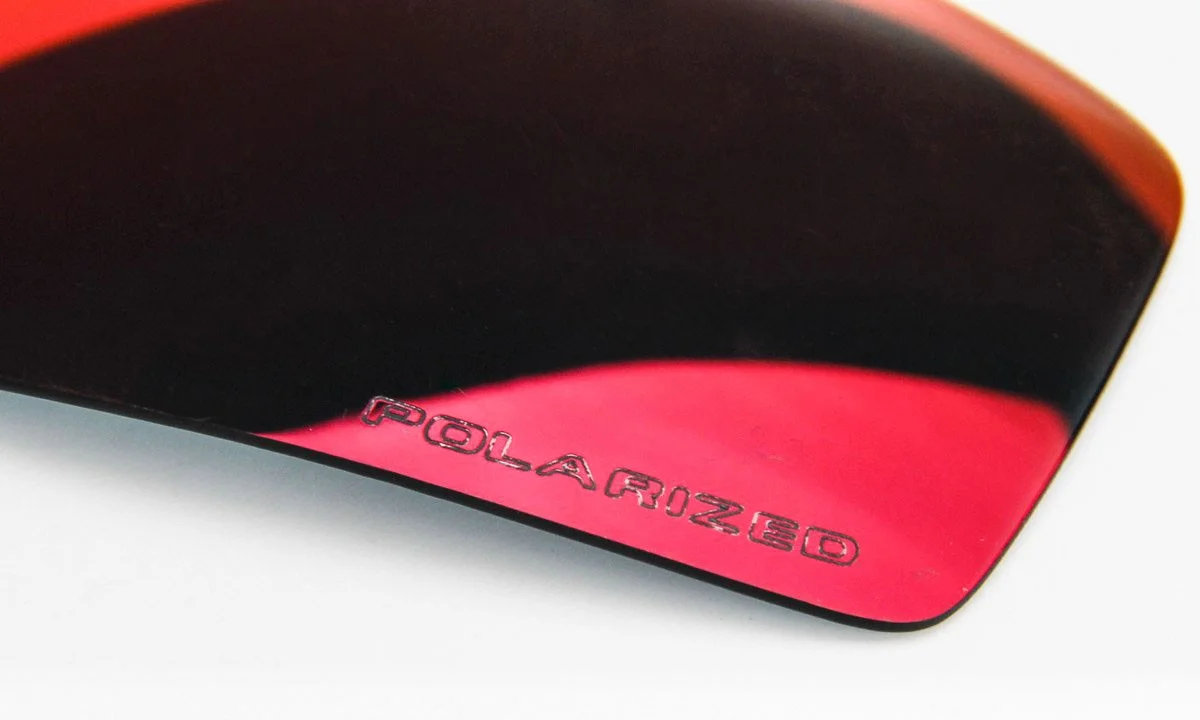
Wording, etching and placement depend on the lens and edition. A particular inscription cannot establish that every pair is genuine or counterfeit without comparing the exact version. Polarisation, colour and darkness prove neither authenticity nor claimed ultraviolet protection.
Checking the product code
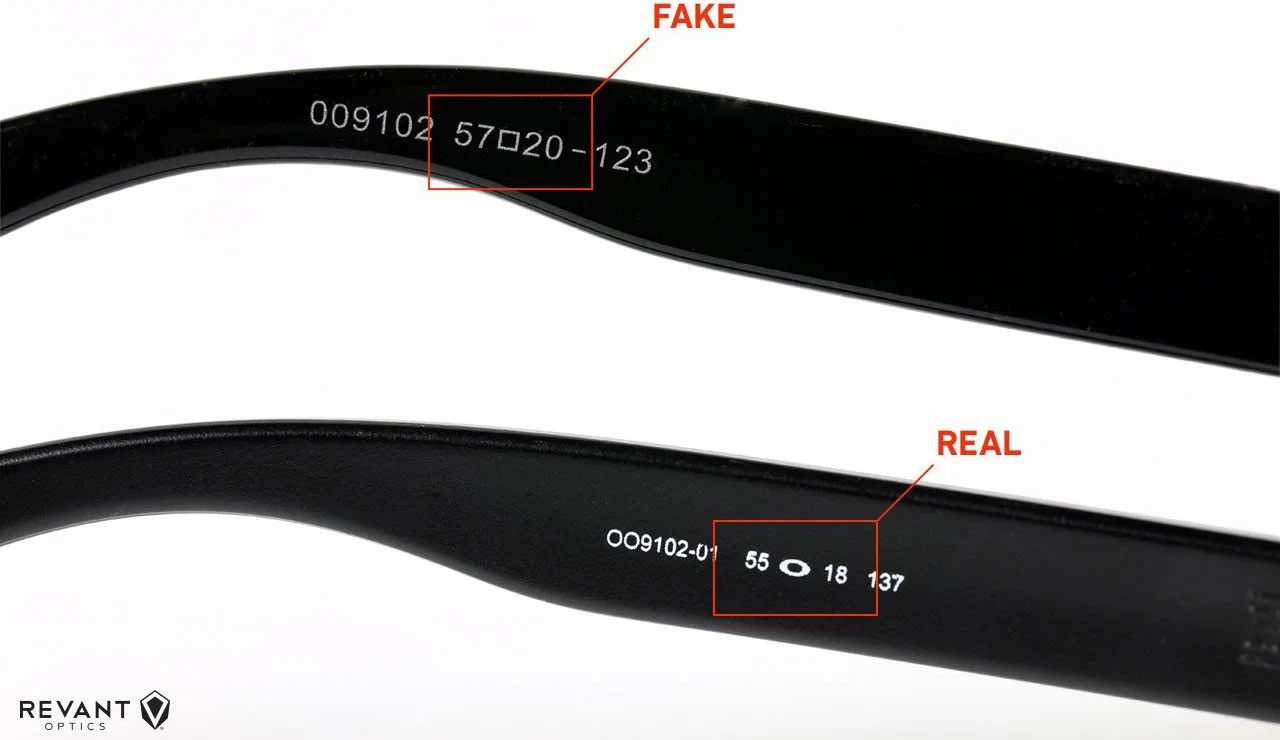
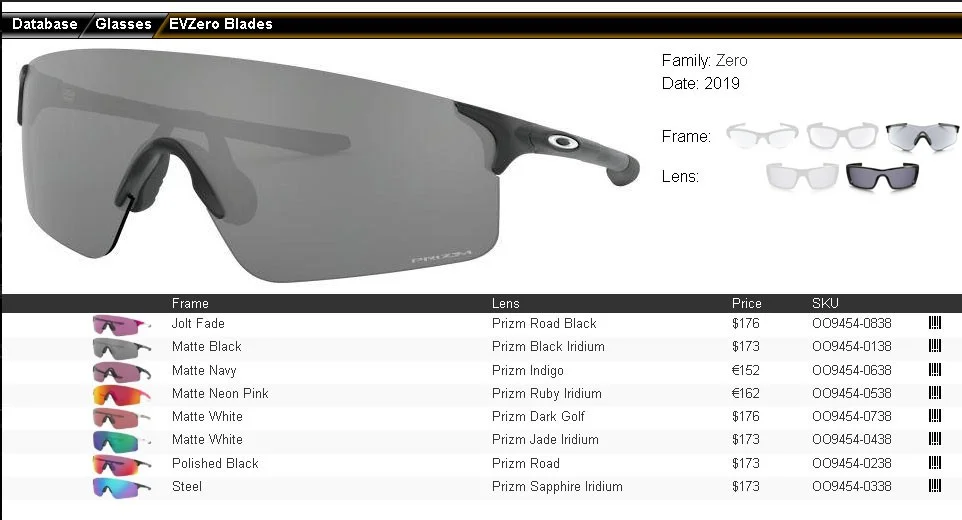
Check the temple code against packaging and documents: name, size, frame colour and supplied lenses should agree. An online product listing cannot authenticate an individual item by itself, since genuine codes can be copied. Older editions may use different marking formats.
Accessories and the purchase decision
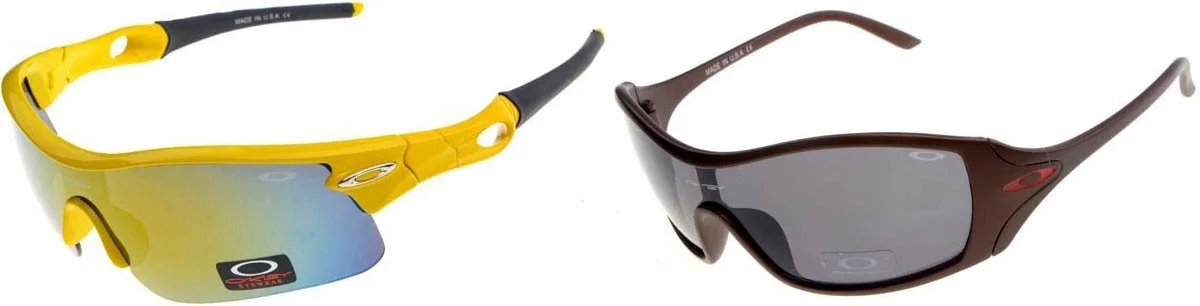
A sticker, case and box are additional details rather than an origin certificate. Avoid destructive tests and never test eye protection by looking at the sun. If origin is doubtful, ask an official dealer before paying. Archive photographs remain as comparisons of features from that period rather than a universal catalogue of every edition.