
Editorial illustration SNASTI.NET.
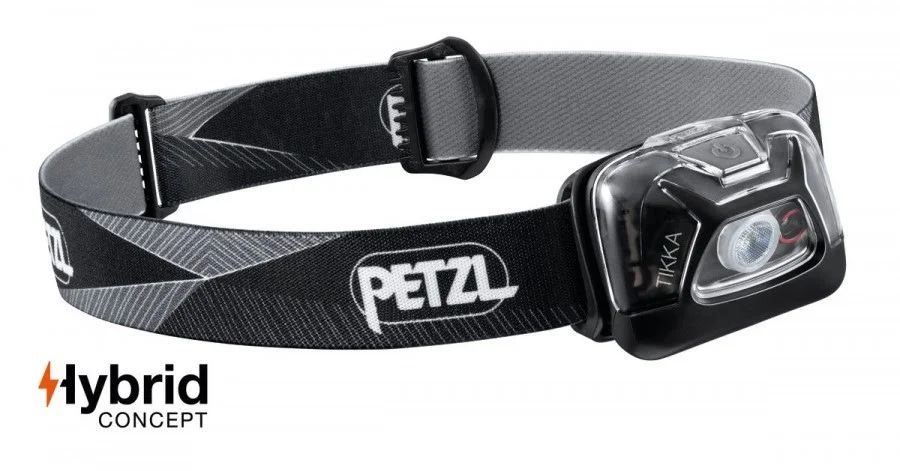
A fishfinder, phone and flashlight may need different power sources and protection conditions. Separate them by task and don’t treat any power bank as a universal solution for all gear.
What to pay attention to
Compatibility
Match the voltage, connectors and allowed modes with the device’s documentation and the power source. Do not use random adapters just because they fit physically. Set aside damaged cables and batteries for proper inspection.
Moisture protection
The acceptable protection level depends on the specific model, not just the generic term water‑resistant. Prepare a protected spot for connections. Do not charge wet equipment unless the manufacturer permits it.
Real reserve
Check how long the devices run in normal mode before a long trip. Frequent photo shooting and high screen brightness increase consumption. Save critical navigation data separately from the device you use continuously.
How to test your choice
Gear is evaluated as an assembled set. At home, check connections, access to adjustments, and ease of handling with wet hands. On the water, start with a short test near an accessible shore: it’s easier to notice twists, excess friction or poor placement of items than to fix them while fishing.
Practical summary
After returning, inspect and dry the equipment according to the instructions. A small, verified kit with clearly identified cables is more convenient than a box of incompatible chargers.
Next step: open tools for preparing tackle and a map of spots, to link the recommendations with a specific outing. Check current access to the chosen area before you go.