
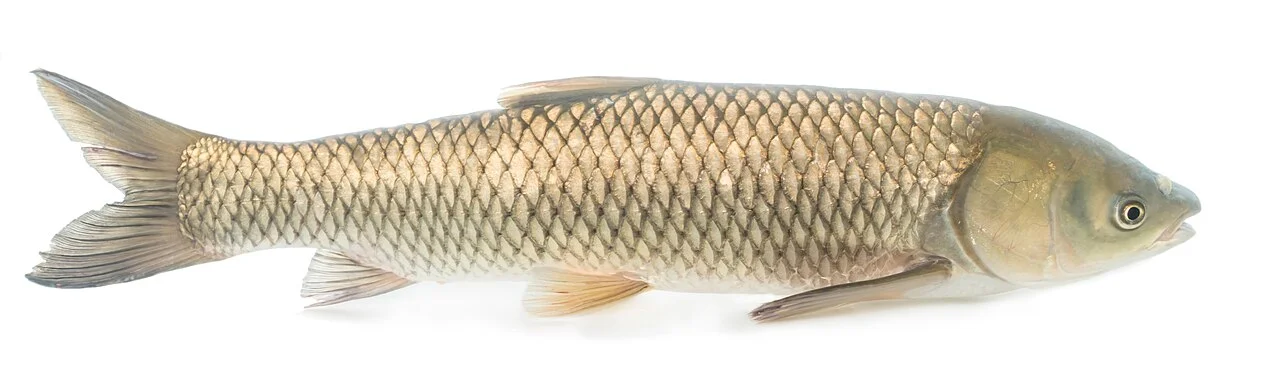
Sam Stukel / USFWS · Public domain · Original photo · Photo usage terms

Grass carp are large, non-predatory fish; finding them starts with information about the particular waterbody. To get to know the species, start with the conditions at the waterbody, an accessible fishing method and a short observation plan. This keeps preparation from becoming a random assortment of lures.
What to look for
Where to start looking
Look for areas with aquatic vegetation and changes in depth. These are starting points for investigation, not confirmed fish-holding spots. Stocked ponds and reservoirs are relevant habitats; ask the owner whether the species is present.
Presentation to suit the conditions
It is useful to find out which species are present and check the venue’s rules rather than expect grass carp in every pond. Ask about stocking, permitted baits and fish-handling rules. Prepare a reliable landing net. Match these recommendations to the capabilities of your tackle and the space available on the bank.
First observations
Record the distance, presentation depth and times of contact with fish. Compare nearby accessible spots rather than judging the whole waterbody after a single cast. A lack of bites does not prove the species is absent, but it is not a reason to keep adding groundbait at random.
Work with the conditions you observe
Record observations together with the time, location and presentation method. Change one variable at a time; otherwise, it is hard to tell what produced the result. A short note after a trip is more useful than a hasty conclusion about the whole waterbody: water level, light and fish activity can change even within a single day.
Practical summary
Prepare your landing net and tools before you start fishing. Read more about the species’ appearance and habitat in our guide: grass carp. Activity dates in the calendar are guidelines; check the current rules for the particular waterbody separately.
Next, open the angler’s calendar and the map of places, to apply these recommendations to a specific trip. Check current access to your chosen area before setting off.