
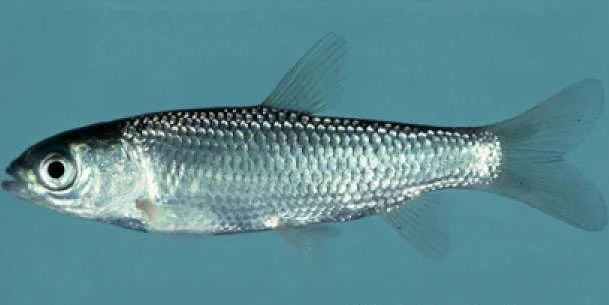
Sam Stukel / USFWS · Public domain · Original photo · Photo usage terms

When planning to fish for grass carp, it helps to separate finding a spot from checking your tackle. A step-by-step review helps you understand the lack of bites and avoid changing the entire setup at once.
What to look for
Check the basics
Inspect the hook, leader and position of the rig after retrieving it. Make sure you are actually presenting the bait or lure at the chosen depth and that it is not obscured by vegetation. Check that the tackle works properly before adding new, more complex components.
Compare two spots
Inspect areas with aquatic vegetation and changes in depth. For this species, find out which fish are present and check the venue’s rules rather than expect to find it in every pond. Keep the presentation unchanged for several attempts so you have a basis for comparison. Do not risk an unsafe approach to the water just to reach a new spot.
Keep a short log
Note exactly what you changed: distance, presentation depth, bait or pace. Record not only successes but also mistakes, snags and time spent. After several trips, these notes can help you distinguish a repeatable technique from a one-off coincidence.
Work with the conditions you observe
Record observations together with the time, location and presentation method. Change one variable at a time; otherwise, it is hard to tell what produced the result. A short note after a trip is more useful than a hasty conclusion about the whole waterbody: water level, light and fish activity can change even within a single day.
Practical summary
A lack of bites at one spot does not call for an urgent purchase of a new tackle setup. A herbivorous fish raised in pond fisheries. Pay attention to the conditions you can observe, choose accessible spots and finish fishing with enough time for the journey back.
Next, open the angler’s calendar and the map of places, to apply these recommendations to a specific trip. Check current access to your chosen area before setting off.