
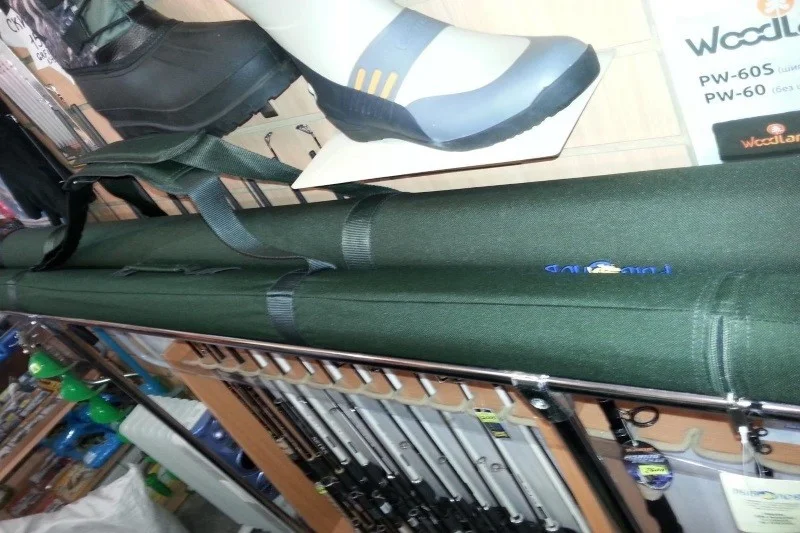
Editorial illustration SNASTI.NET.
Most rod problems are easier to spot at home than under load. After a trip, spend a few minutes cleaning and inspecting, even if the tackle doesn’t look dirty.
What to look out for
Remove sand
Before disassembly, gently clean the joint areas of dirt. Do not press particles into the sections. Check the cleaning method and allowed agents against the manual: an aggressive solvent can damage the coating.
Inspect the Line Guides
Look for chips in the inserts and damage to the wraps. If you suspect a defect, do not continue fishing until a professional checks it. A small chip can damage the line while remaining almost invisible from a distance.
Dry storage
Allow the sections and case to dry without intense heating. During transport, protect the tip from impacts and accidental pinching by doors. Do not place heavy objects on the rod blank during storage.
How to check your setup
Gear is evaluated as a complete setup. At home, check connections, access to adjustments, and ease of handling with wet hands. On the water, start with a short test near an accessible shore: it’s easier to notice twists, excess friction or poor placement of items than to fix them while fishing.
Practical summary
Mark any damage in a separate note so you don’t forget repairs before the next outing. A clean, dry case and careful packing are often more useful than a complex set of care products.
Next step: open tools for preparing your tackle and a location map, to link the recommendations to a specific trip. Check current access to the chosen area before you set off.