
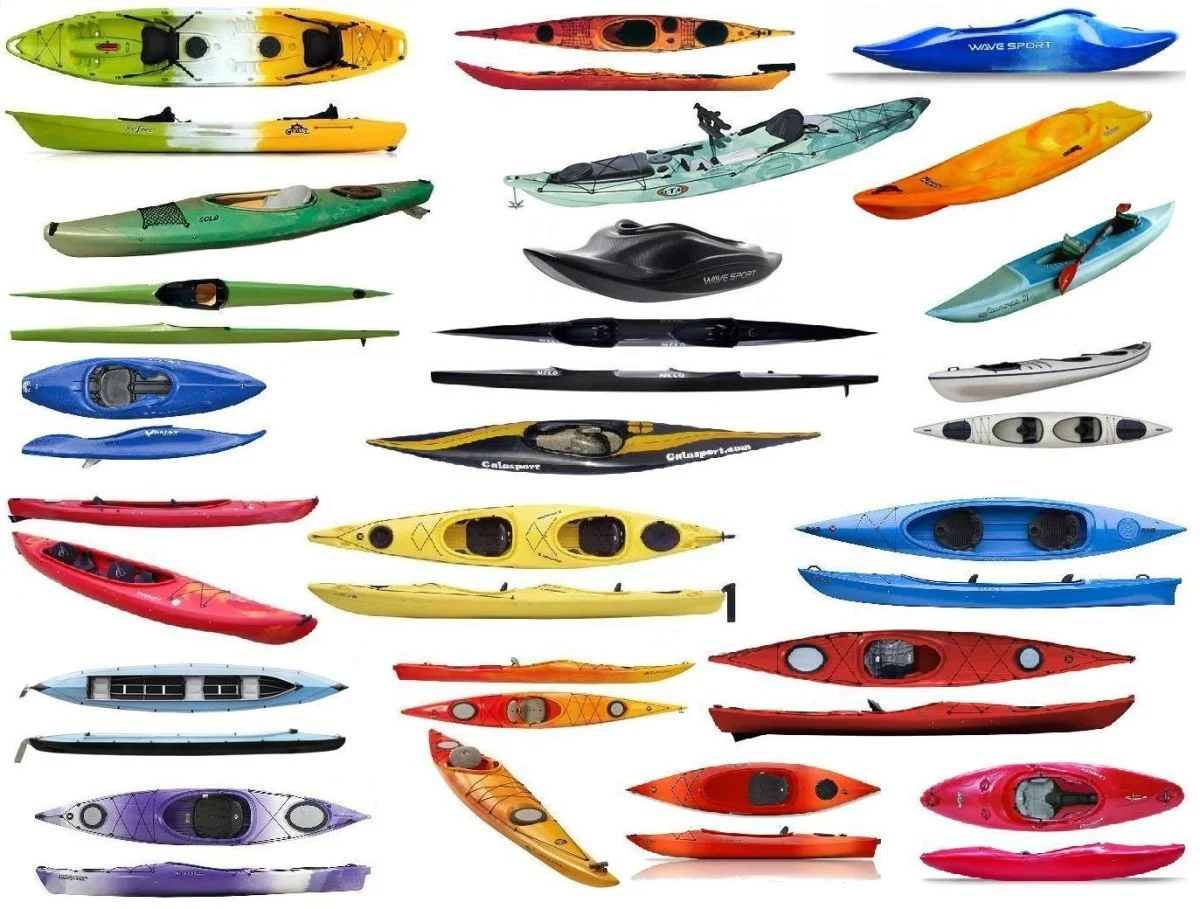
Choose a purpose before a model
Start with the activity rather than an attractive hull: short outings, fishing, travelling with luggage or instructor-led sessions in a suitable training area. Write down how many people will be aboard, how you will transport the boat and where you will store it afterwards. A purchase with no space at home or suitable transport soon loses its appeal.
Rigid, inflatable or folding
A rigid hull needs storage space and an appropriate transport arrangement. An inflatable kayak packs into a bag more easily, but needs inflating, maintenance and drying before long-term storage. A folding design reduces transport volume while adding assembly time. These are different compromises, not a quality ranking based on one feature.
A long narrow boat and a short wide model feel different, but shape alone does not promise stability or speed for a particular paddler. Check the manufacturer’s intended use and try suitable options in controlled conditions.
Check seating and usable capacity
Sit in the kayak wearing the clothes you intend to use on the water. Check foot support, access to essential items and whether you can paddle comfortably. Ask what the stated load capacity includes: people, drinking water, luggage and extra equipment quickly add up.
For fishing, practical tackle storage and avoiding unnecessary snag points matter. Rod holders do not turn every recreational boat into one suited to your fishing conditions. Do not drill the hull or alter the structure without checking the manufacturer’s guidance.
A trial is more useful than a specification list
If possible, start with a rental or demonstration session. Assess seating, carrying the boat and landing, rather than just a few minutes of straight-line paddling. Find out separately where compatible spare parts are available and how to maintain the chosen material. With a used kayak, inspect fittings, seams, valves or the hull as appropriate to its construction.
Safety is not automatically included
Choose and wear suitable flotation equipment, and keep a means of communication waterproof and within reach. Get training in handling your chosen boat and responding to a capsize. Before launching, assess the weather, whether access to the water is permitted and how you will return. Your first independent outing should not become an experiment on unfamiliar water.