
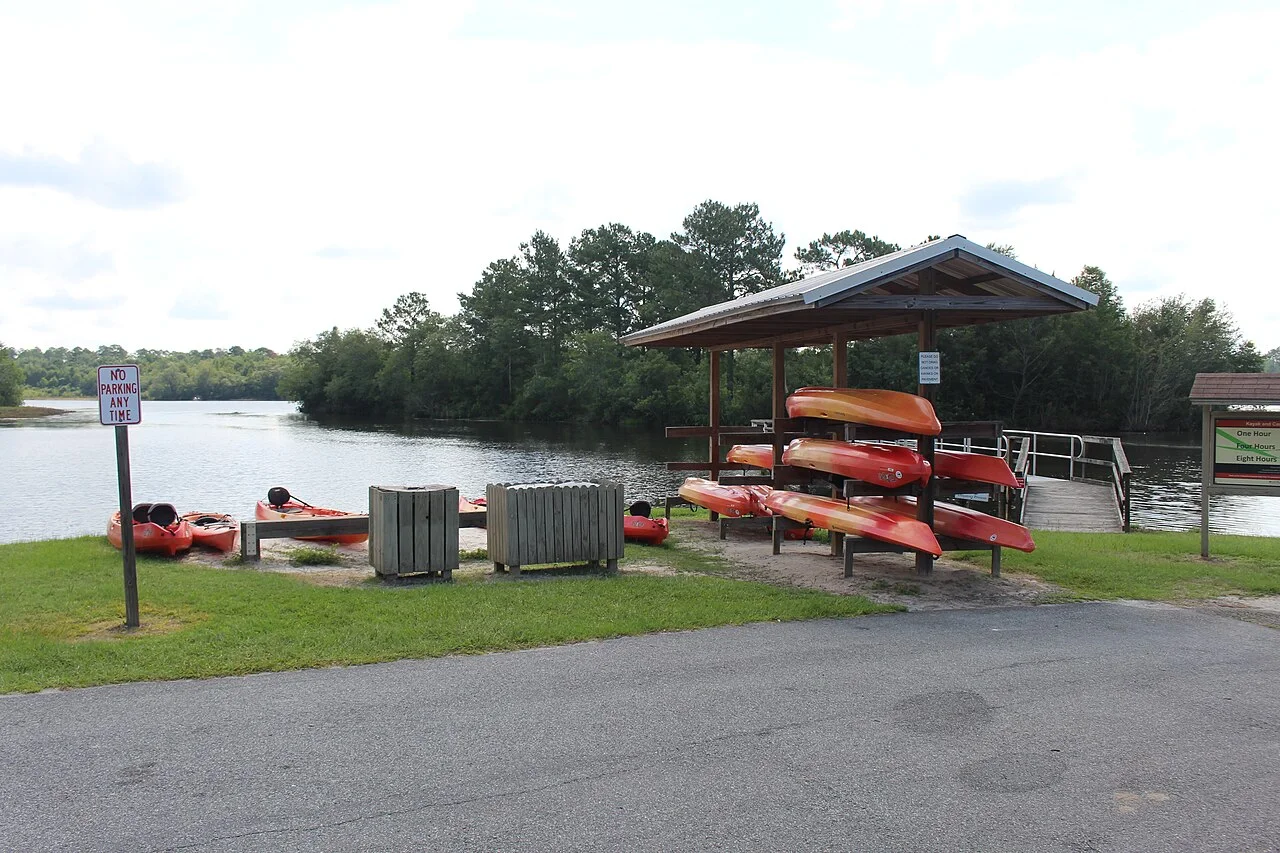
An available boat does not establish suitable conditions
A rental business may operate by arrangement, but that cannot make every autumn day suitable for a first outing. Ask who assesses weather and water conditions and when trips are cancelled. Describe your group’s experience honestly.
Conditions on shore do not tell the whole story. Cold water is dangerous even when the air feels reasonably comfortable; ordinary everyday clothing is not specialised protection for possible immersion. Without the necessary preparation, choose a shore walk or instruction in suitable conditions.
What the kit includes
Confirm kayak model and capacity, paddle fitting, equipment condition and suitable life jackets for everyone. A life jacket needs to be worn and properly adjusted rather than simply carried nearby. Ask for a briefing and explanation of route limits.
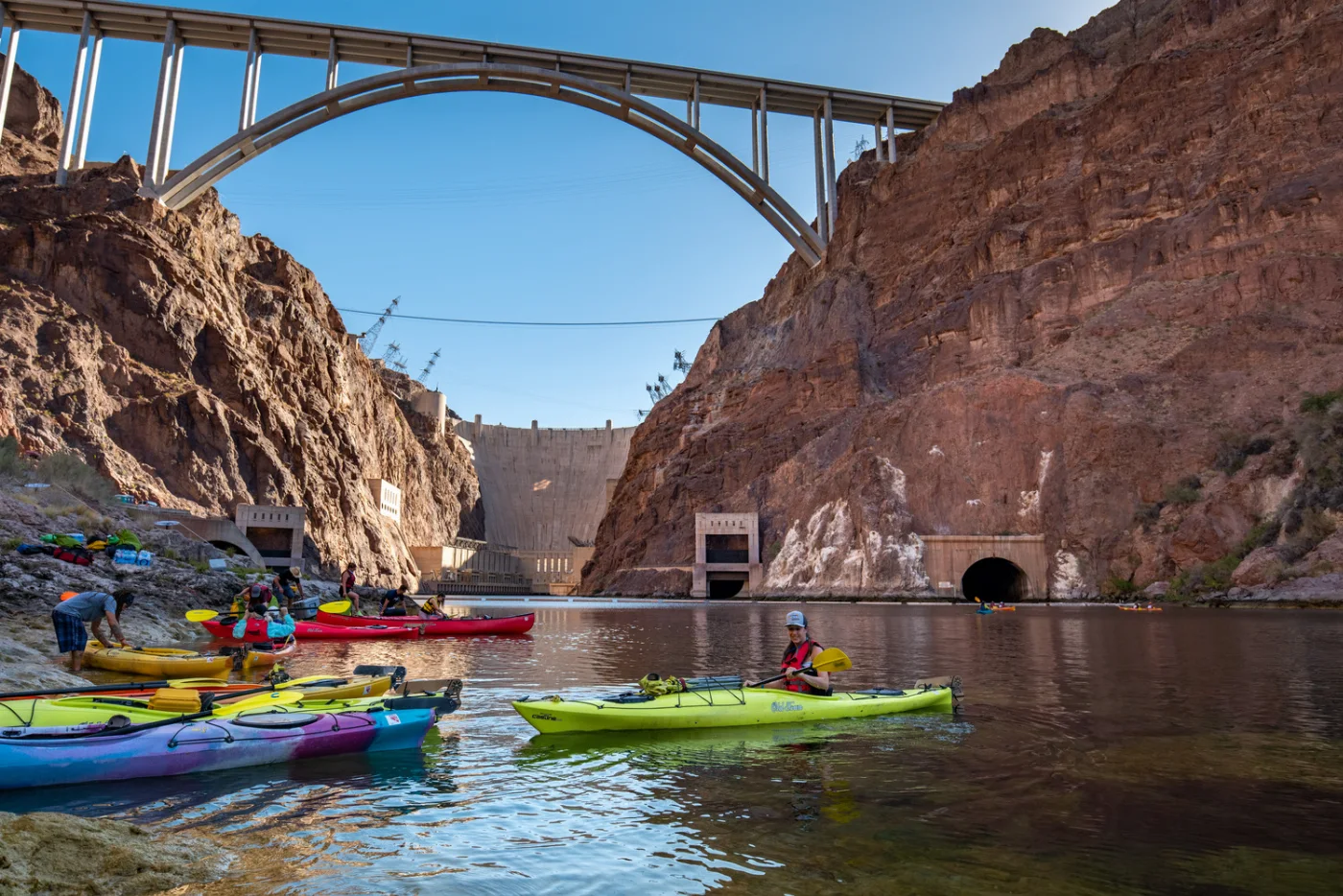
Discuss return arrangements
Ask about communication with the base, supervision and the operator’s response to changing conditions. Do not treat a general map as individual permission to use every channel. Agree the route, duration and return time around weather, daylight and preparation.
A protected phone and spare clothing are useful but cannot replace training. These questions are not rescue instructions or clearance to enter cold water. Separately check local restrictions and permitted launching points.
Cancellation can be a successful decision
Before payment, read how bookings are moved when wind or other conditions are unsuitable. A good plan includes a simple land-based alternative. Declining an outing beforehand is better than using a rental at any cost.
After training, assess your skills with the instructor. Readiness, rather than only a wish to travel farther, determines the next step.