The board and its ends
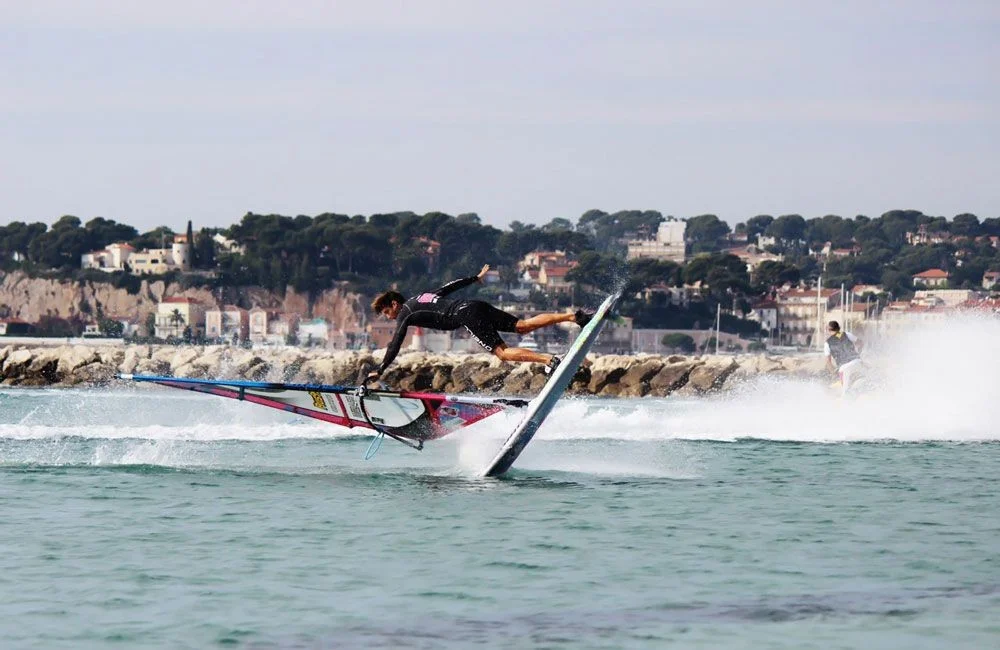
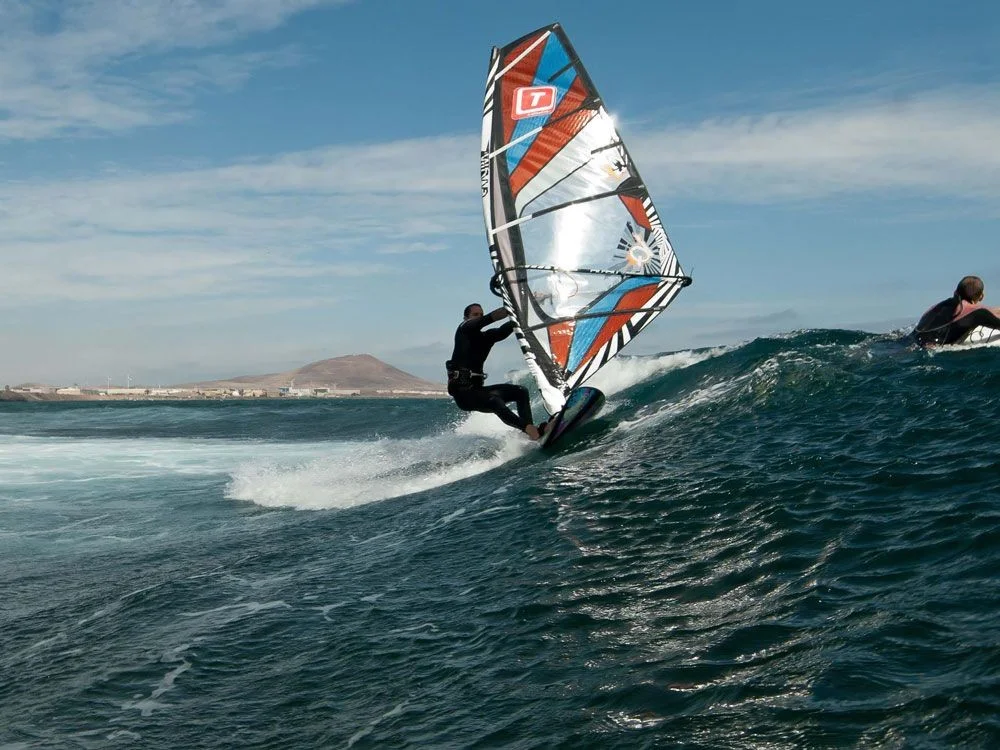
The nose is the front of the board; the tail is the rear. These English terms often appear unchanged in equipment descriptions. Distinguish the board itself from the complete assembled setup. When discussing a purchase, establish what is actually included and what merely appears in the seller’s photograph.
Above and below the water
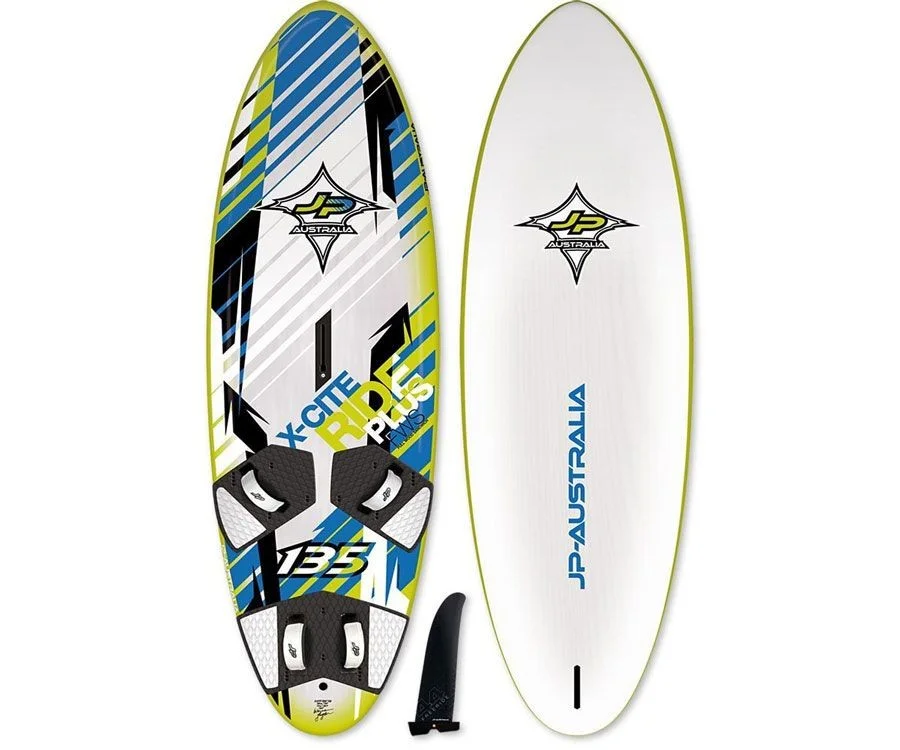
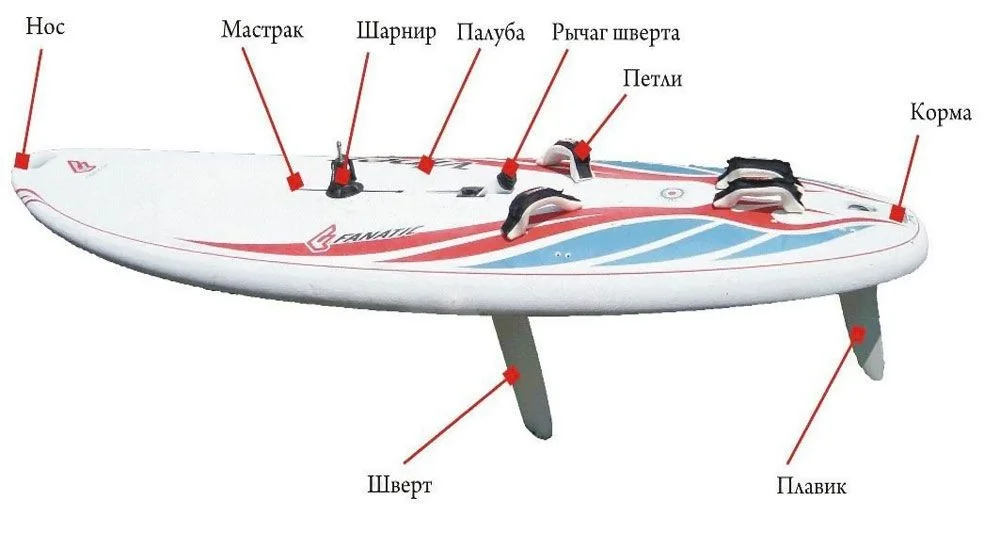
The sail is supported by the mast, while the boom provides a handhold for controlling the rig. A fin sits below the board; some designs also have a centreboard. Similar-looking components are not automatically interchangeable. For learning equipment, check compatibility with the school or manufacturer rather than assembling an arbitrary collection of parts.

Courses and turns
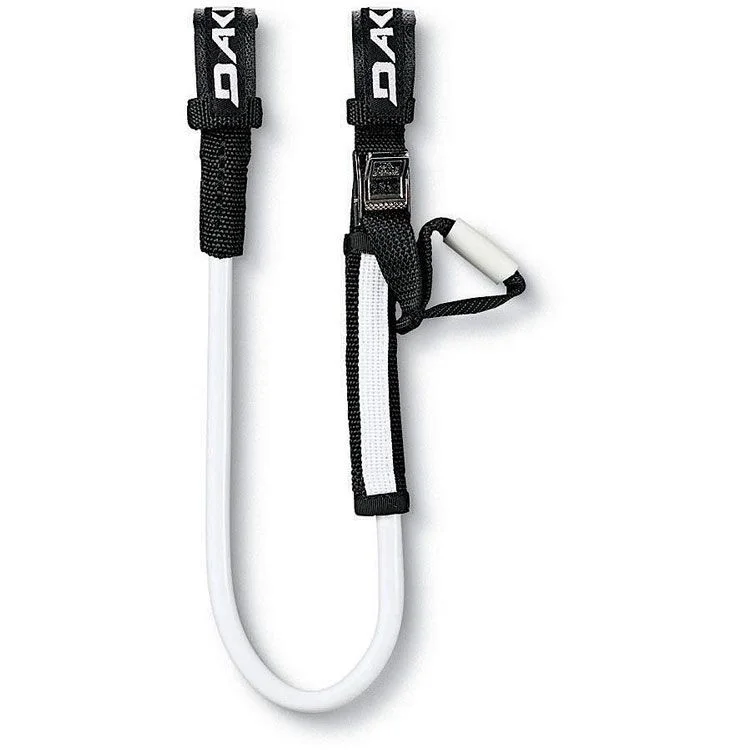
A course describes the direction of travel relative to the wind. Tack and gybe refer to different ways of turning in relation to it. Recognising these words is useful, but a short glossary does not teach the manoeuvres. Their sequence and suitable conditions belong in a practical lesson with an instructor.
Using the glossary
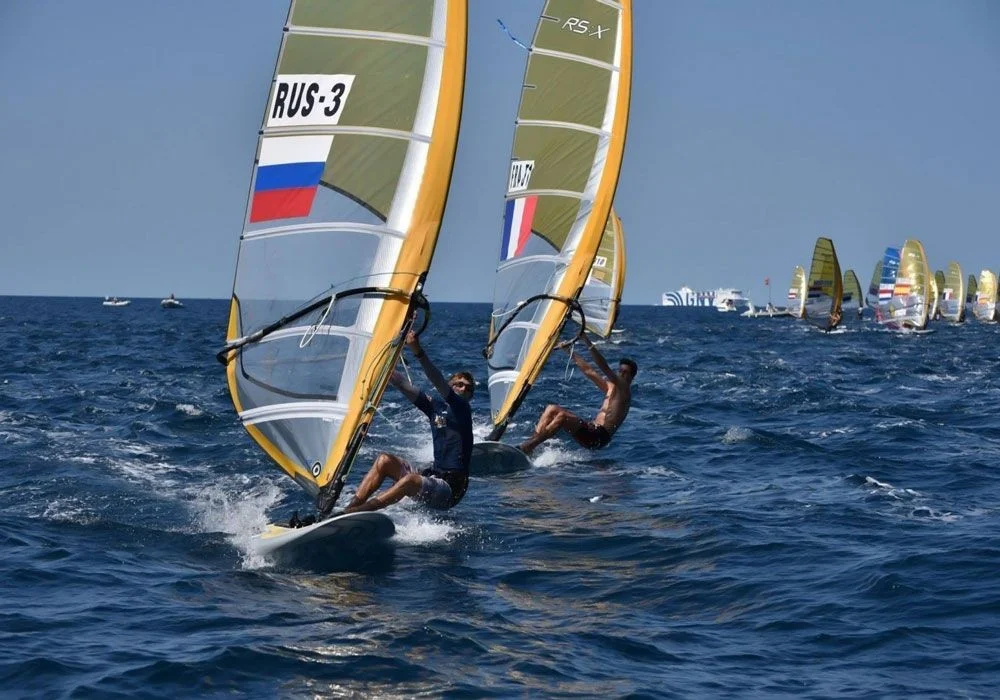
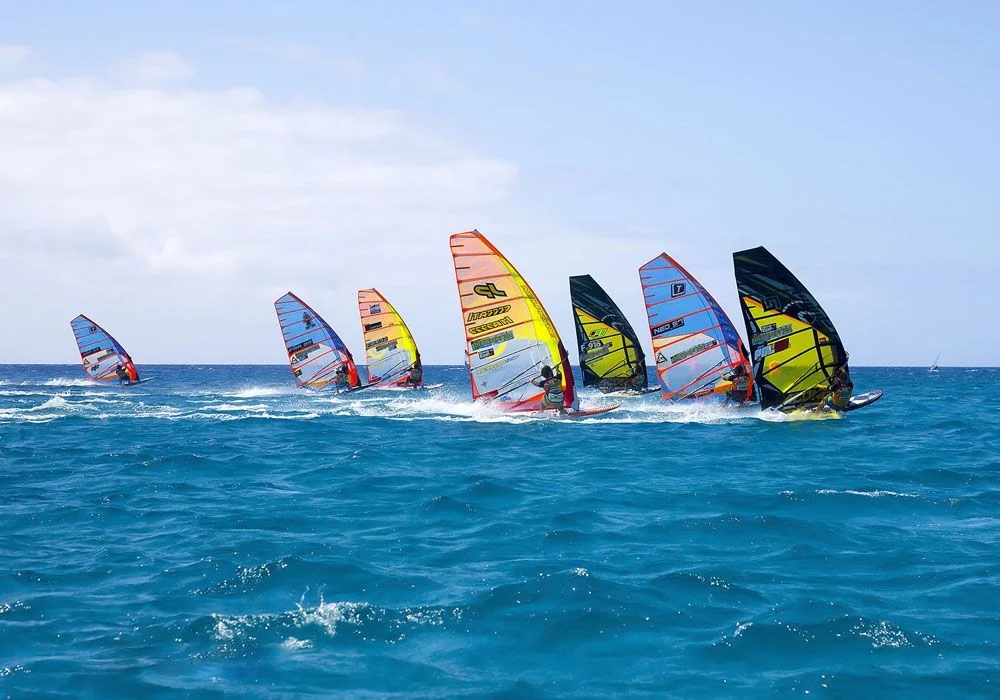
Before your first lesson, ask someone to point out the components on a real setup and name them aloud. Record unfamiliar words with their context rather than as isolated translations. Archive diagrams and video links appear below as archive material: they may show another equipment generation or advanced exercises. An unfamiliar English term is not automatically an item you need to buy.