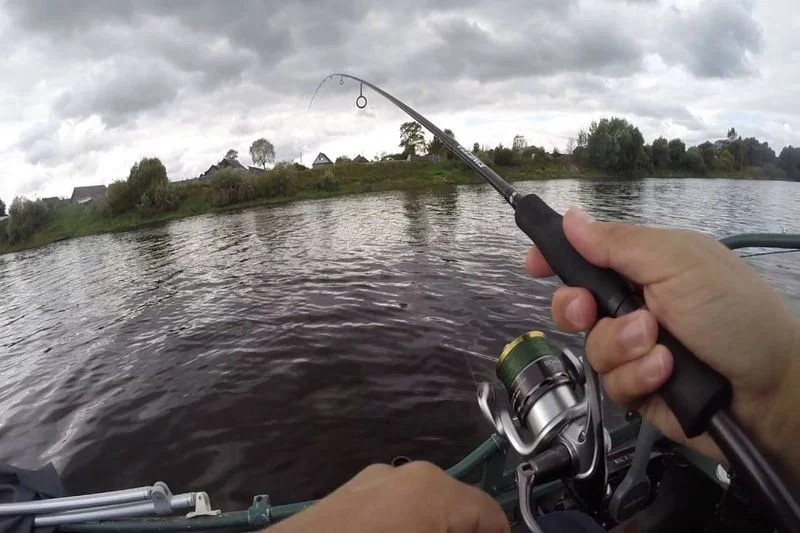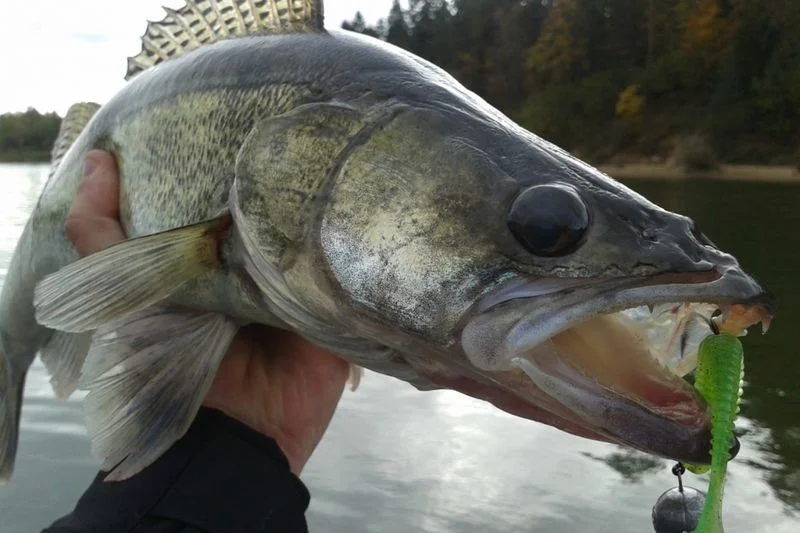
A rod for the location
Bank or boat, depth, current and total lure weight determine tackle requirements. Archive length ranges are examples rather than compulsory rules. Check the rod rating and handling comfort. An excessively stiff rod and the strongest possible strike cannot guarantee results.
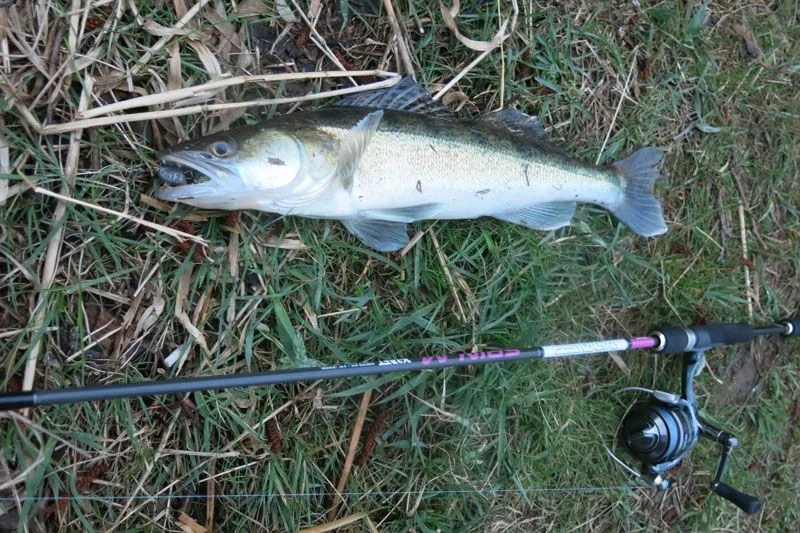
Reel and line
Match spool capacity, reel weight and drag operation to the setup. A 2500 label and bearing count alone do not establish suitability for trophy fish. Choose braid for actual breaking strength, abrasion and conditions rather than package diameter alone. Inspect knots and damaged sections.
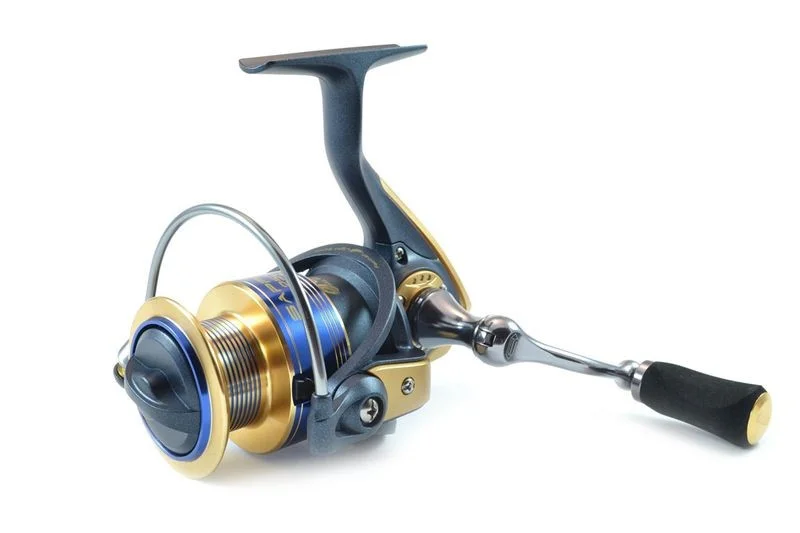
Weight and rigging
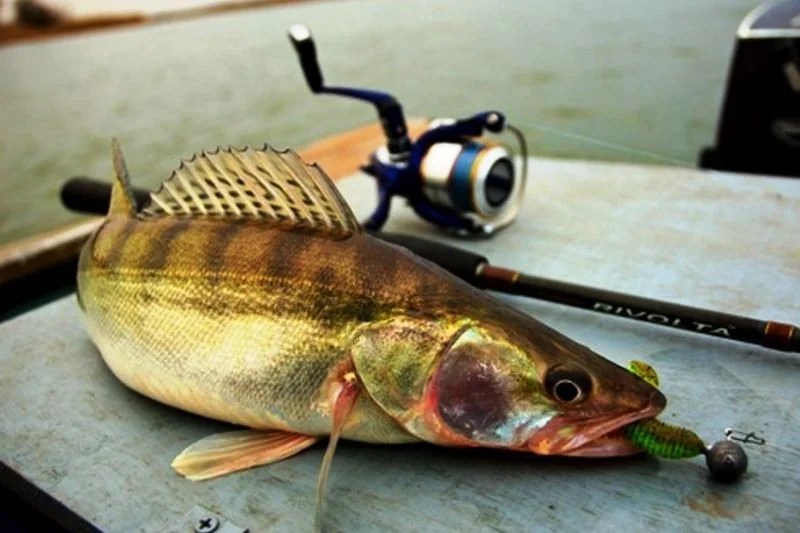
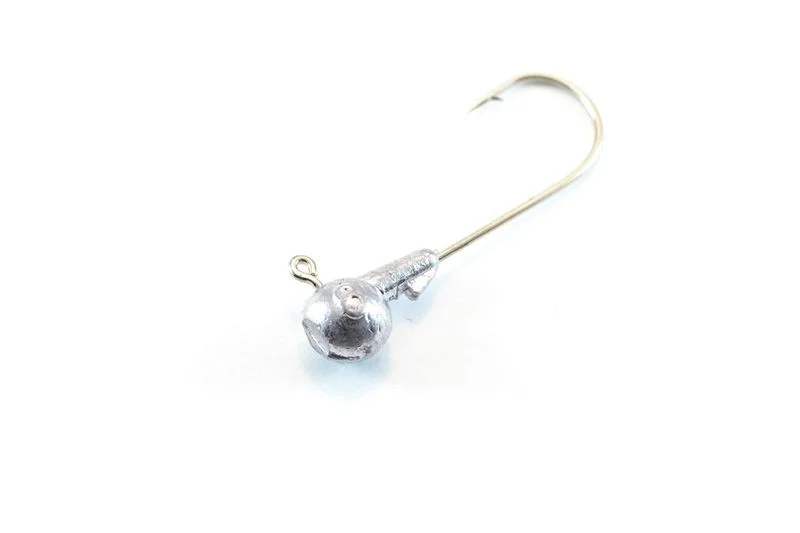
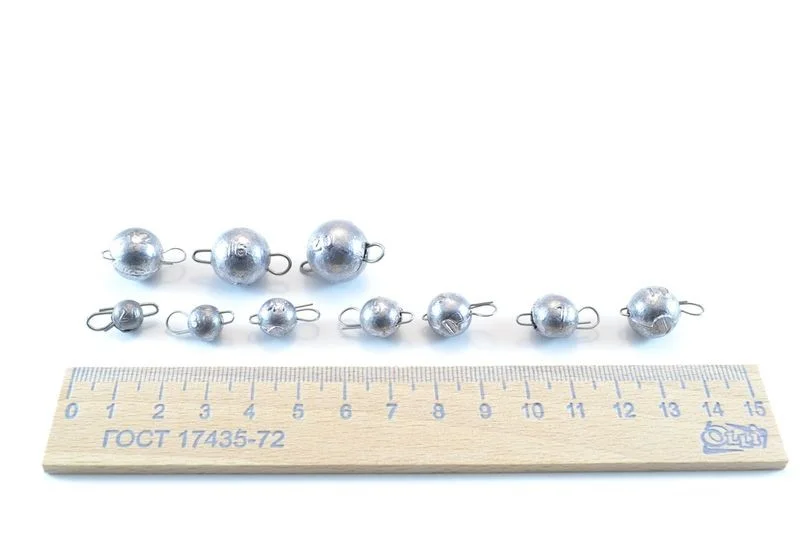
Choose head weight to control the retrieve at the chosen depth and current without overloading the rod. A hinged weight with an offset hook, a standard jig head and a separated rig solve different tasks. Check hook position and lure movement.
Lures and searching
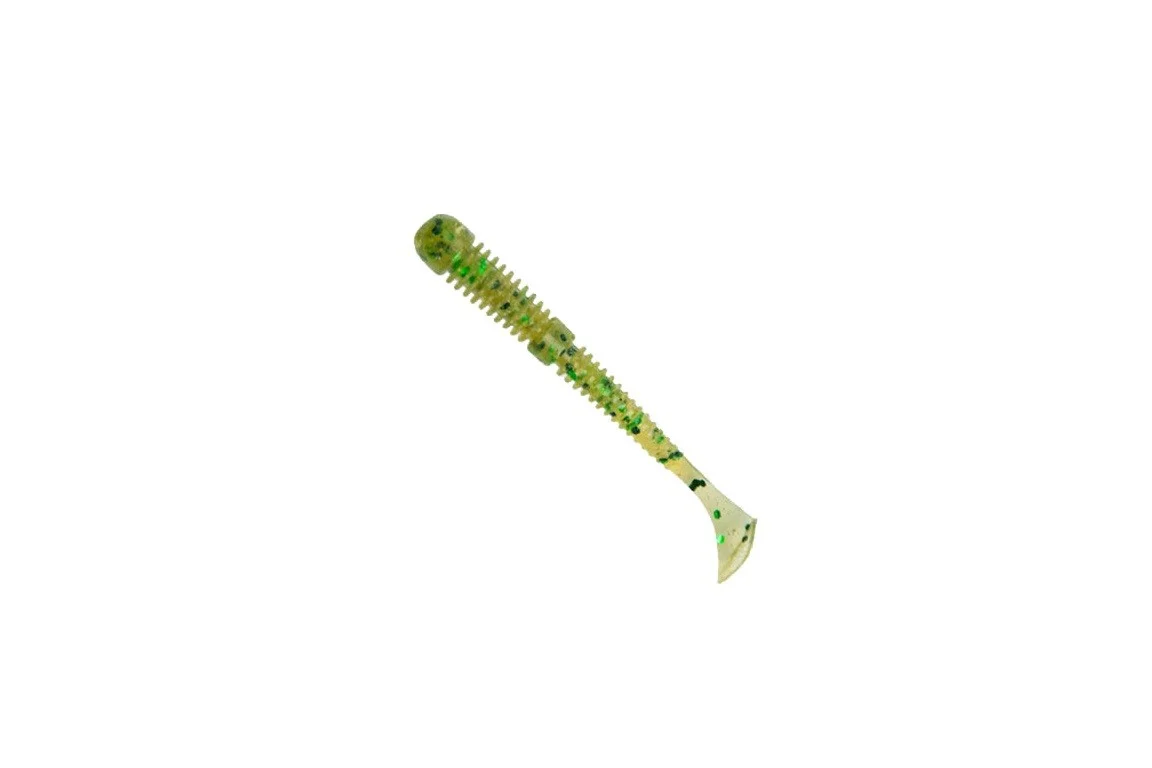
Compare soft-lure size, shape and colour on site. No colour is best for the whole season. Explore accessible ledges, depth transitions and other features, changing location and level through observation. Old depth figures are not a map of every water.
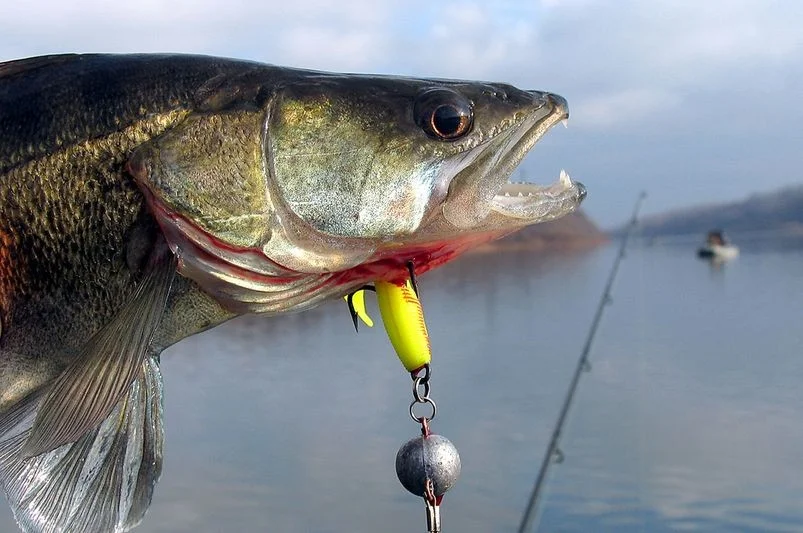
Retrieve and bites
A stepped retrieve is a starting option, but adapt reel turns and pauses to conditions. Watch line, tip and feel; a displaced lure does not establish a single cause. Neither ninety percent of bites on pauses nor a compulsory 45-degree rod angle is universal. Work in control and observe restrictions on the chosen water.