Start with the fishing location
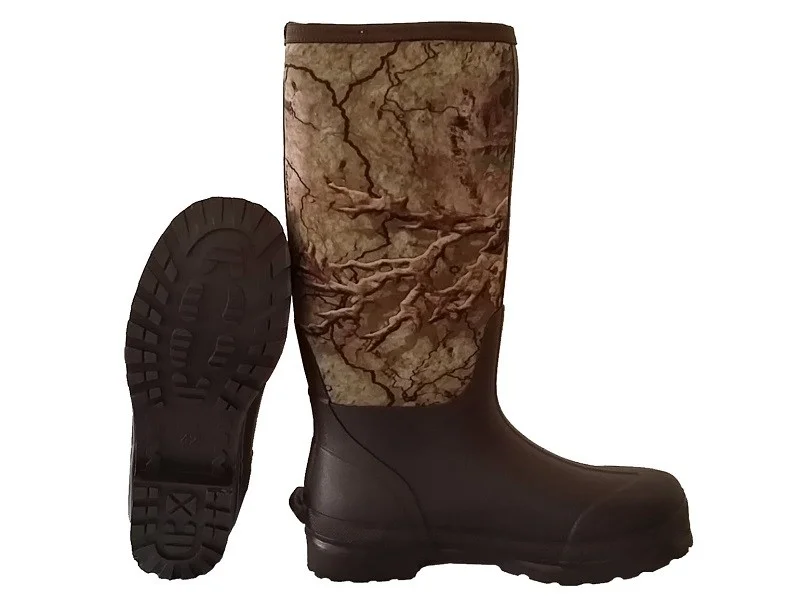
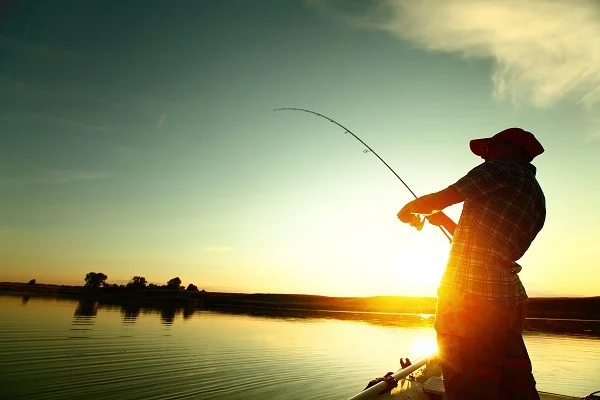
Dry banks, mud, boats and winter sessions call for different properties. A treaded sole does not guarantee grip on ice or wet rock, and tall boots do not permit entering hazardous water. Assess the particular footwear’s limits and safe access to the spot.
Size and socks
Try footwear with the socks and liners you will use. Do not automatically buy a size larger or try to secure a loose foot by tightening the shaft. Toes need space, heels need appropriate retention and feet should not be compressed.
Insulation and drying
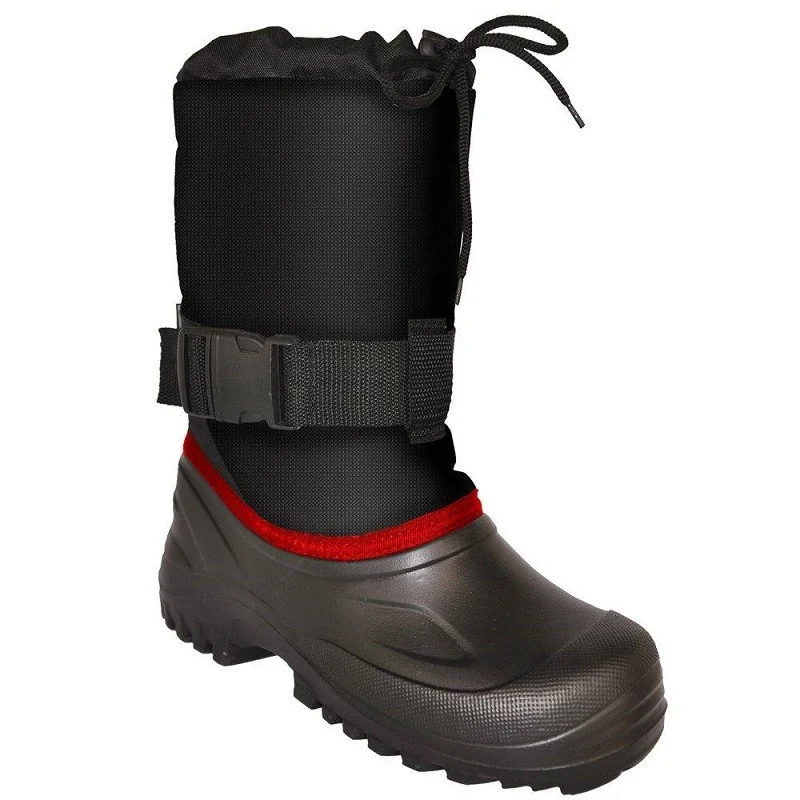
Natural fur is not compulsory for good boots, and a synthetic liner alone does not guarantee warmth. Check temperature guidance and care instructions and take dry replacements as conditions require. Remove permitted liners after fishing, clean and dry the footwear. No pair replaces warm clothing or the decision to end a trip in unsuitable weather.