
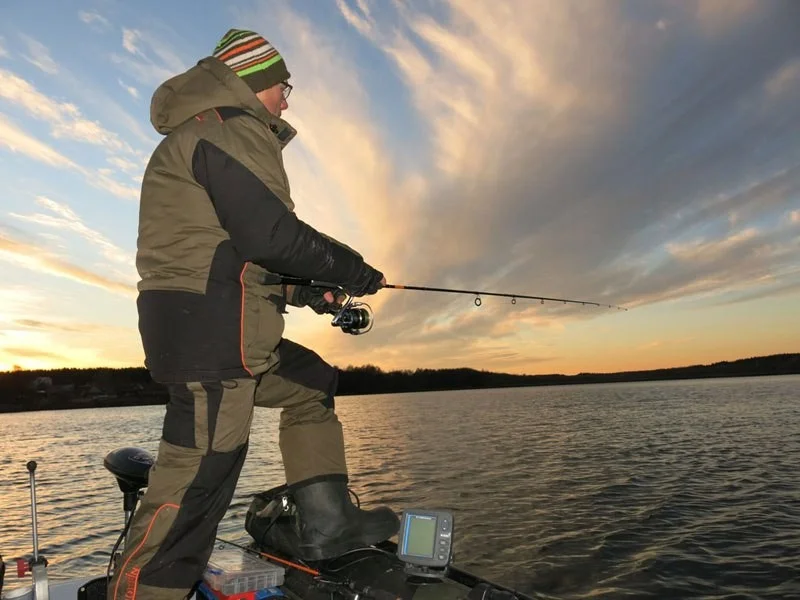
Next-to-skin layers and insulation
Start with clothing suited to your activity that helps move moisture away from your body. Add insulation over the base layer as conditions require: fleece is normally used in this role rather than necessarily underneath thermal underwear. Moving and sitting for long periods involve different insulation needs; adjust your layers before becoming very sweaty or cold.
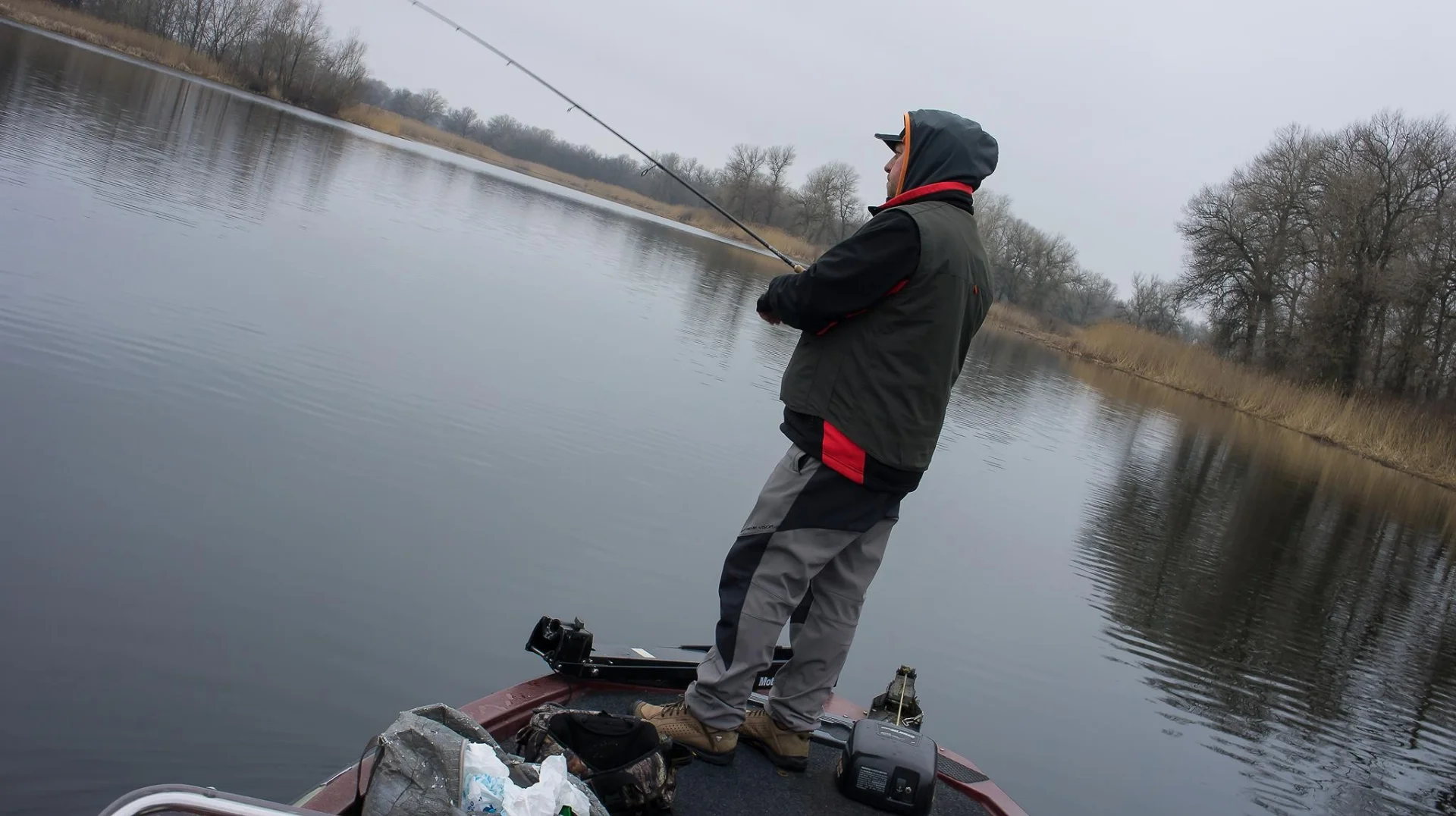
Wind and rain protection
A membrane shell alone cannot provide warmth at every temperature. Check the fabric’s intended use, seam condition and care requirements. Examine the hood, cuffs, collar and trouser adjustments. Sit, bend and imitate casting: clothing should not impede tackle use or obstruct your view. For boating, also check compatibility with a correctly fitted life jacket.
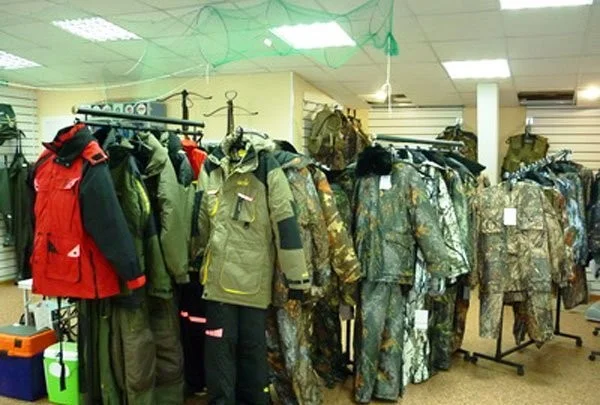
Dry spares and deciding to return
Take spare socks, gloves and essential dry clothing in suitable moisture-protective packaging. A fabric backpack or ordinary pocket is not a dry bag. Removable boot liners are convenient but cannot guarantee instant drying or comfort in all conditions. Assess the forecast, outing length and access to shelter; a good suit does not remove the need to end a fishing trip when weather deteriorates.