Discuss the route first
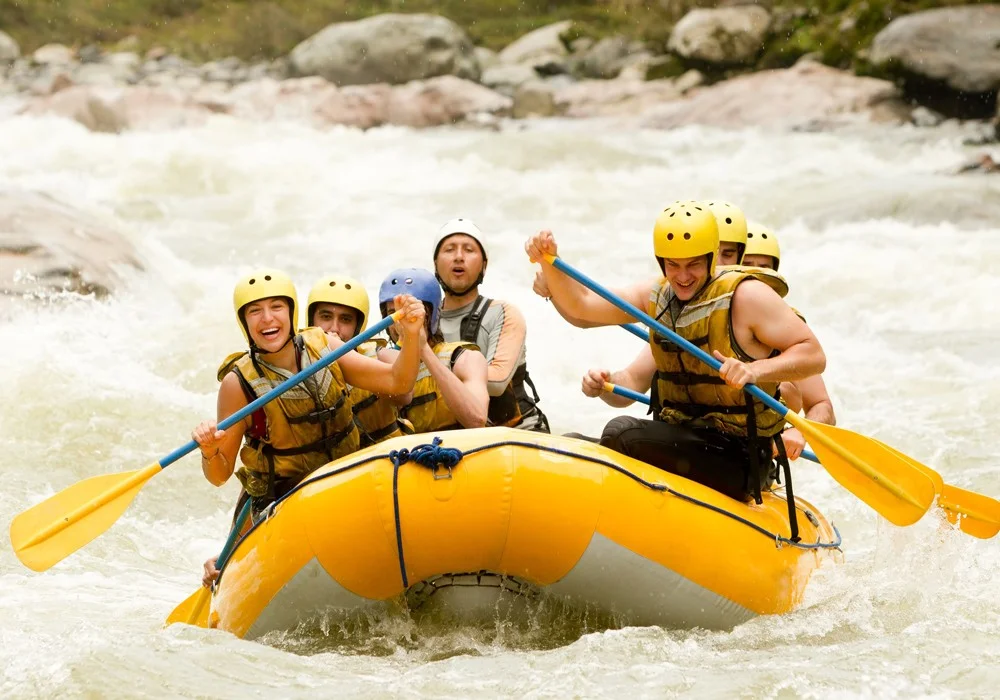
Ask the organiser about difficulty, water temperature, duration, supplied equipment and the response to changing conditions. Choose instruction and guidance appropriate to your ability for a first trip. Warm weather does not make a cold river safe.
Flotation and helmet
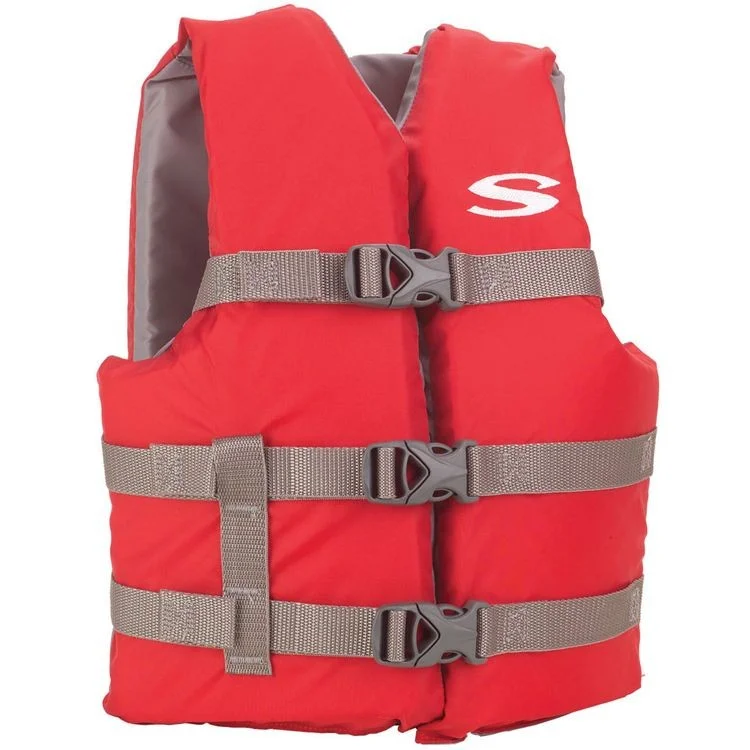
Use equipment suited to whitewater with correct fit. An ordinary inflatable vest intended for another activity is not automatically a substitute. Check purpose, buoyancy and fastenings as instructed rather than using a universal twelve-litre rule. Choose a helmet for water use. Equipment reduces risk but cannot guarantee a person will not drown.
Clothing on the water
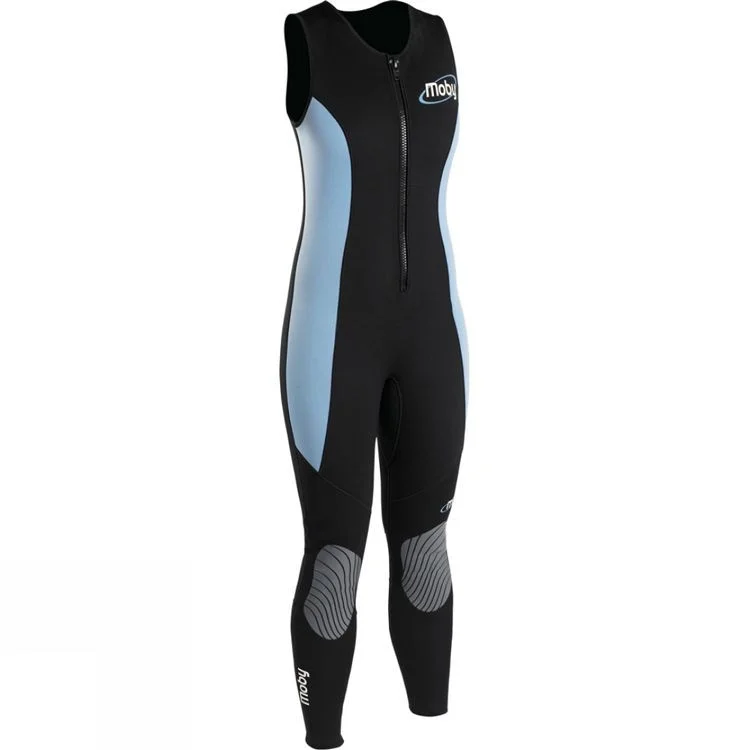
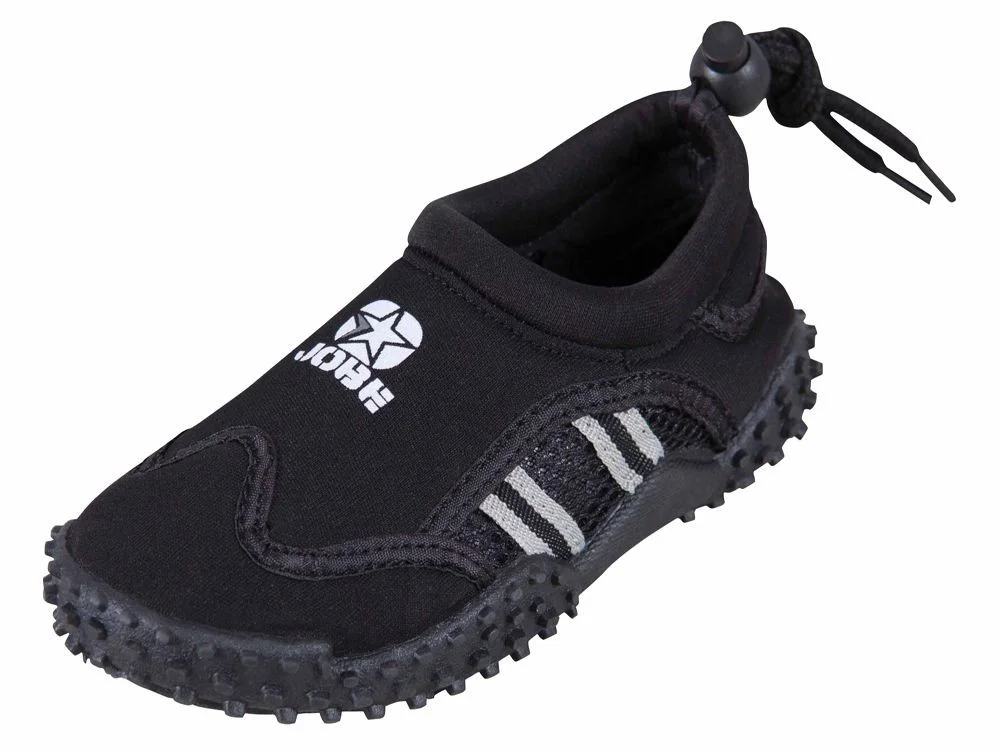
Choose a wetsuit or drysuit and base layers for conditions with advice from a trained guide. A windbreaker is insufficient for every winter trip. Fit must allow paddling; a neoprene suit need not keep skin dry. Footwear should stay on and suit the environment without dangerously loose parts.
Dry spares and packing
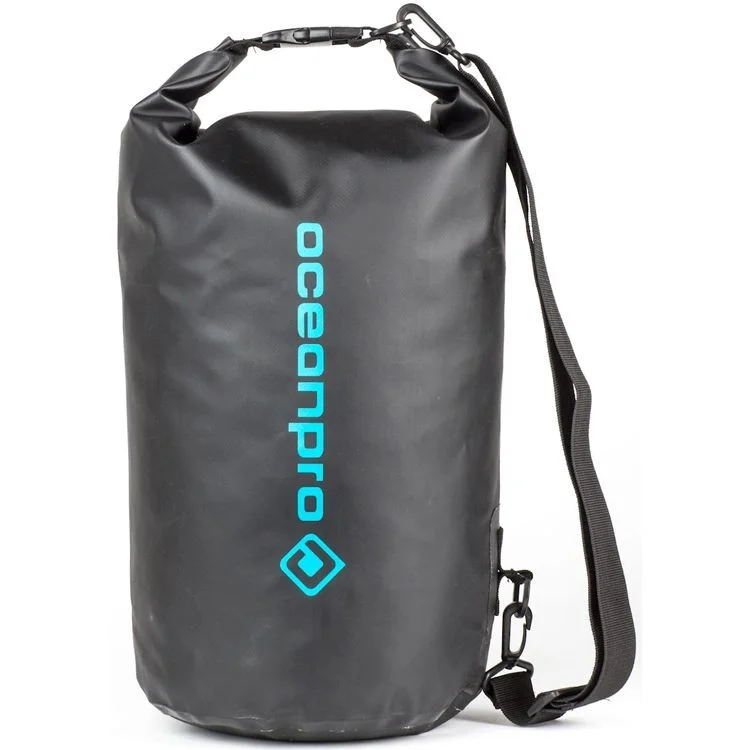
Protect camp clothing and essentials separately in suitable waterproof packaging. Check closures and luggage attachment. A dry bag is not a lifesaving device. Match sun protection, glasses and retainers to conditions and other equipment.
Before starting
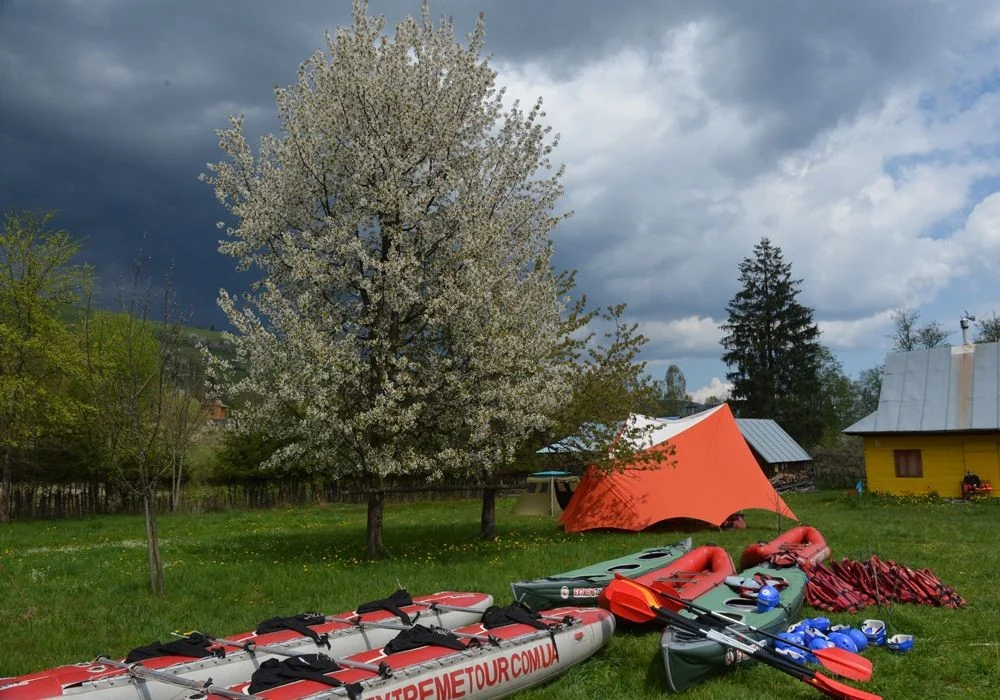
Attend the briefing and check equipment and communications. Rescue procedures need training; an article cannot replace practice. Swimming at camp is not a compulsory follow-up to rafting. A rain shelter does not protect against lightning: change plans beforehand in dangerous weather. Dry and inspect equipment after the route.