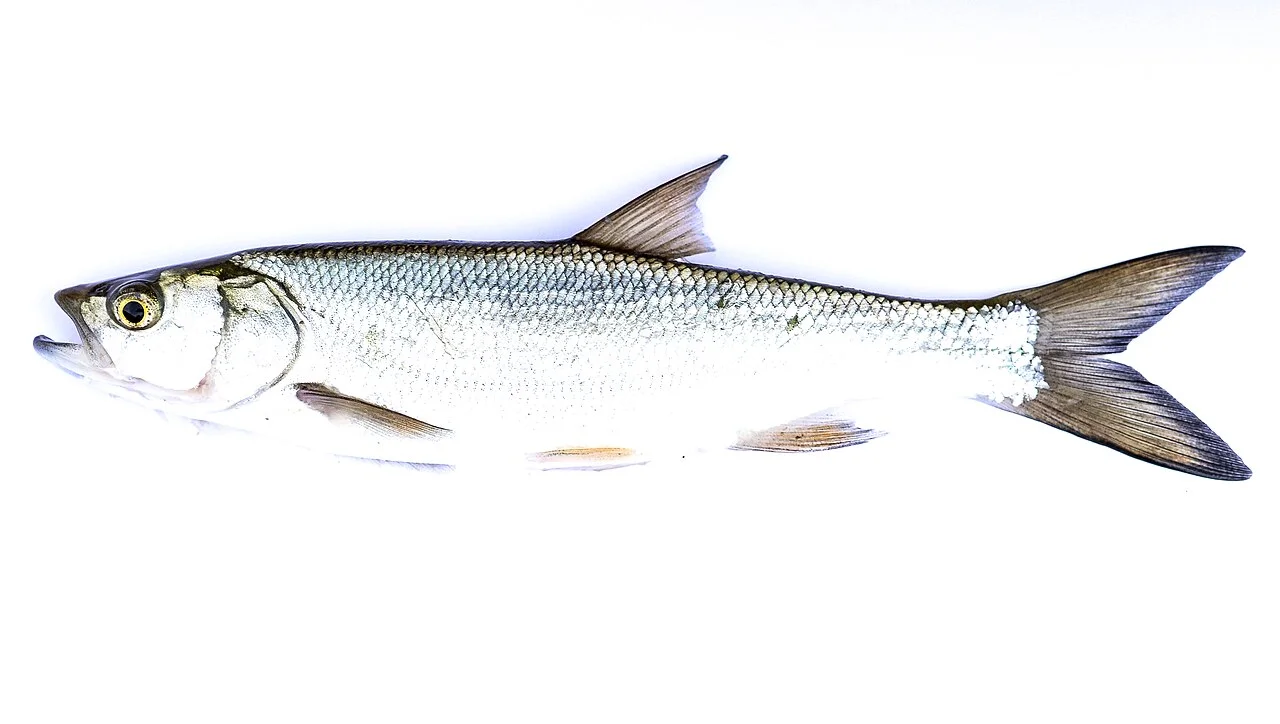
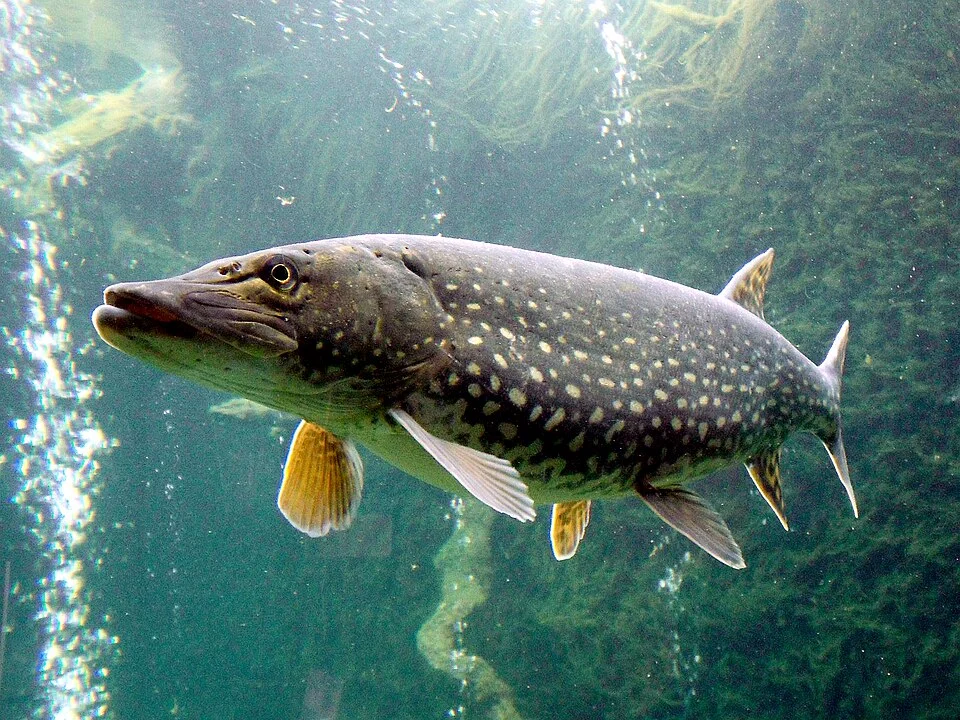
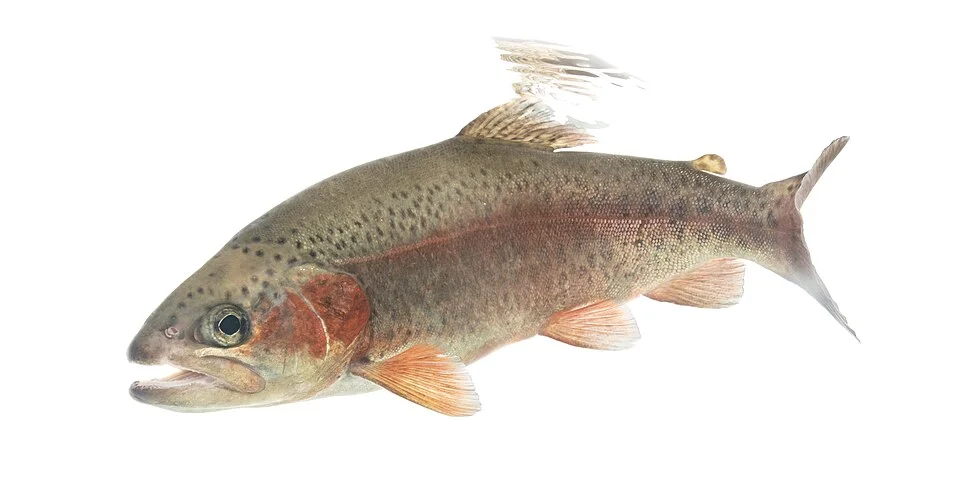
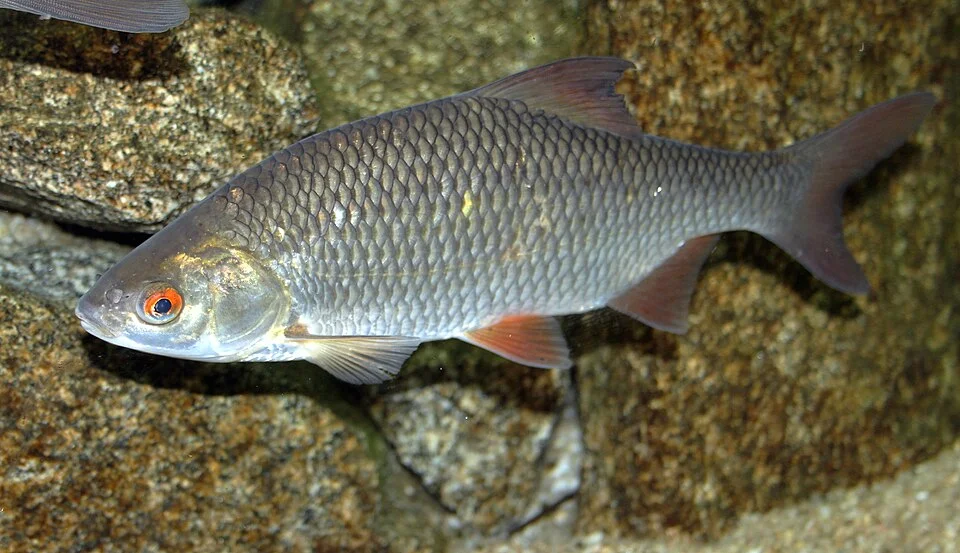
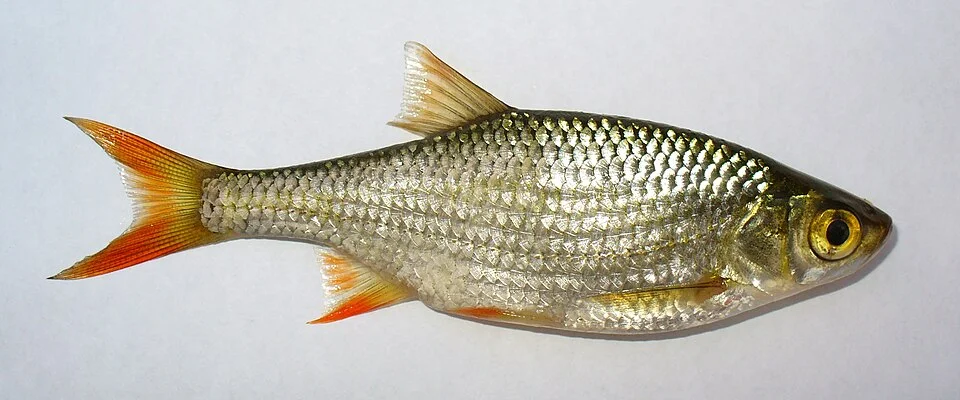
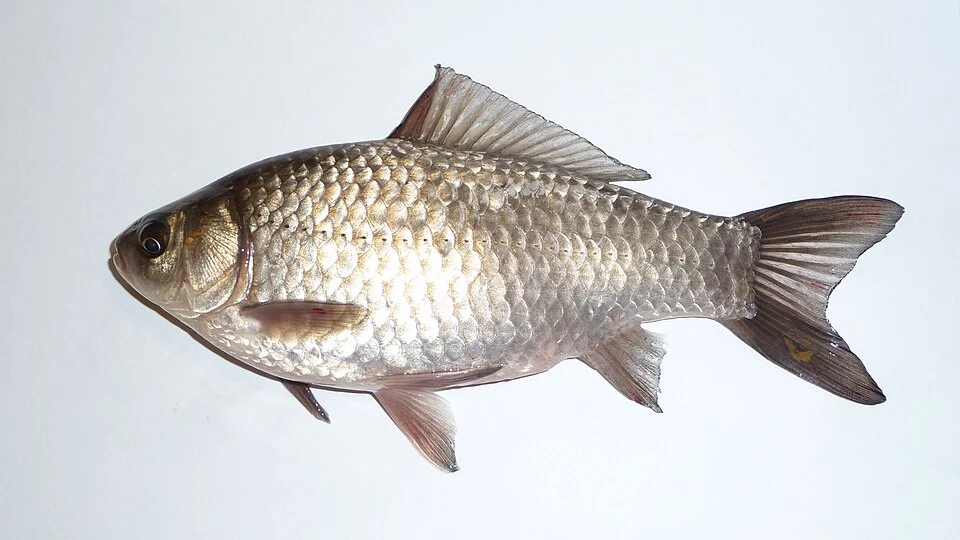
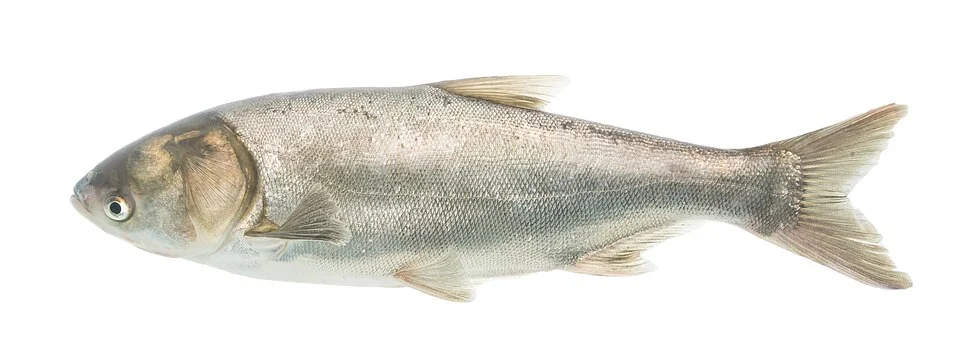
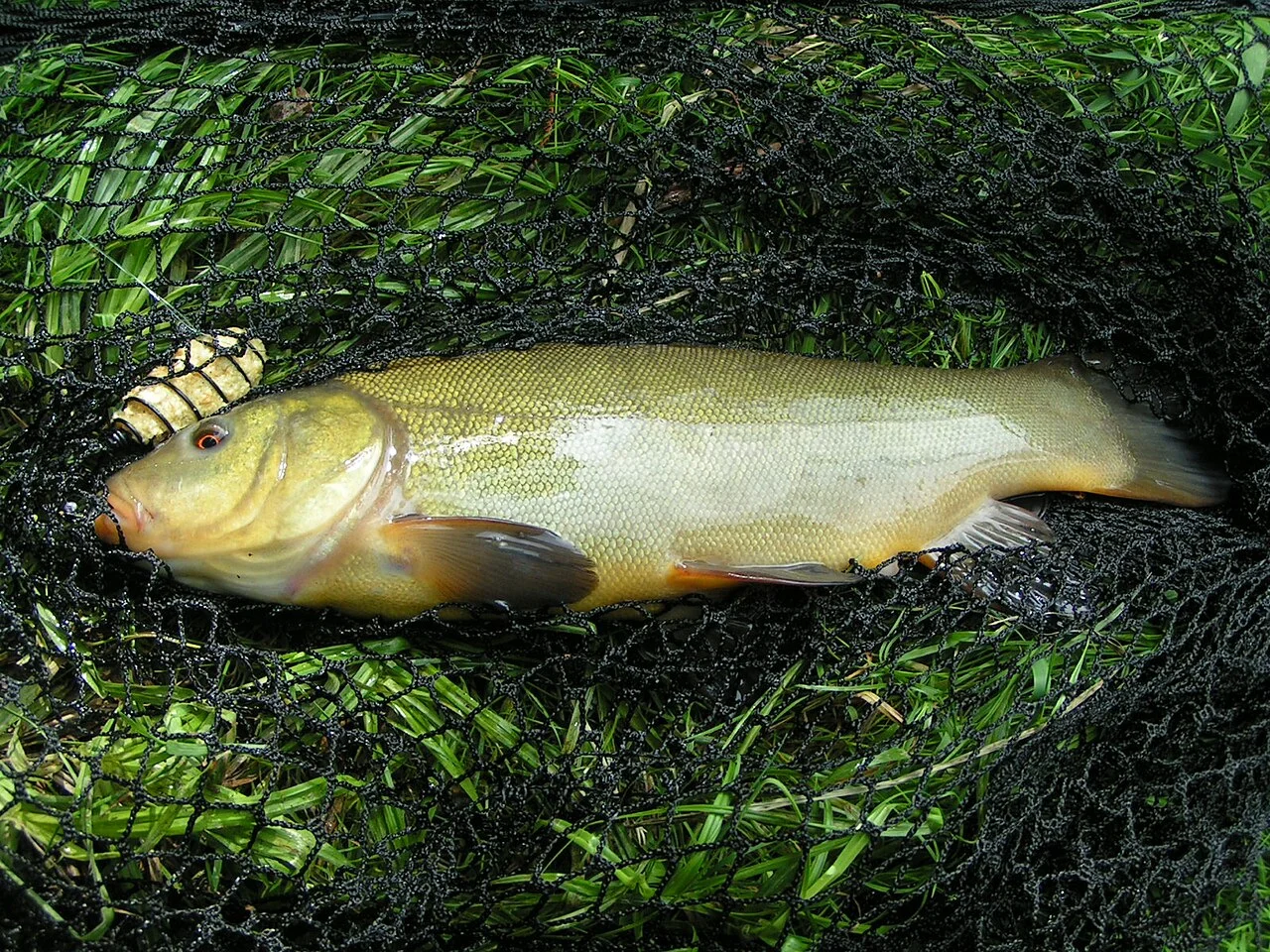
A river predator for articles on lure fishing, finding fish and accurate casting.
What to prepare
Match lures to distance and current. Check casting space and bank access.
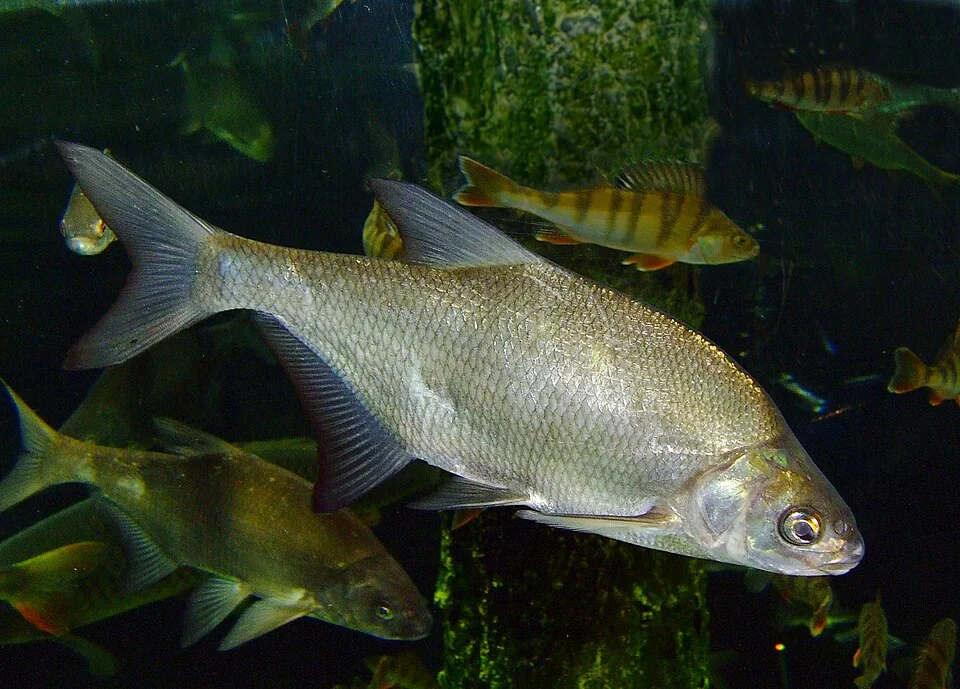
A schooling bottom feeder. Look for feeding areas near deeper water.
What to prepare
Match feeder or float tackle to current and distance, and feed accurately.
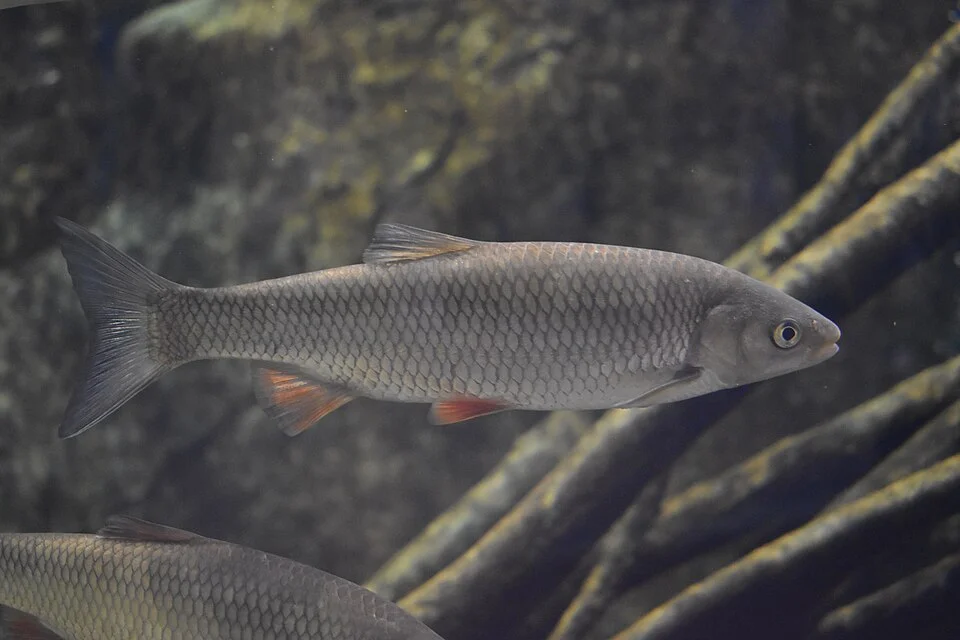
A river fish for light lure fishing and learning to read the current.
What to prepare
Start with small lures and controlled casts. Avoid wading into unfamiliar current.
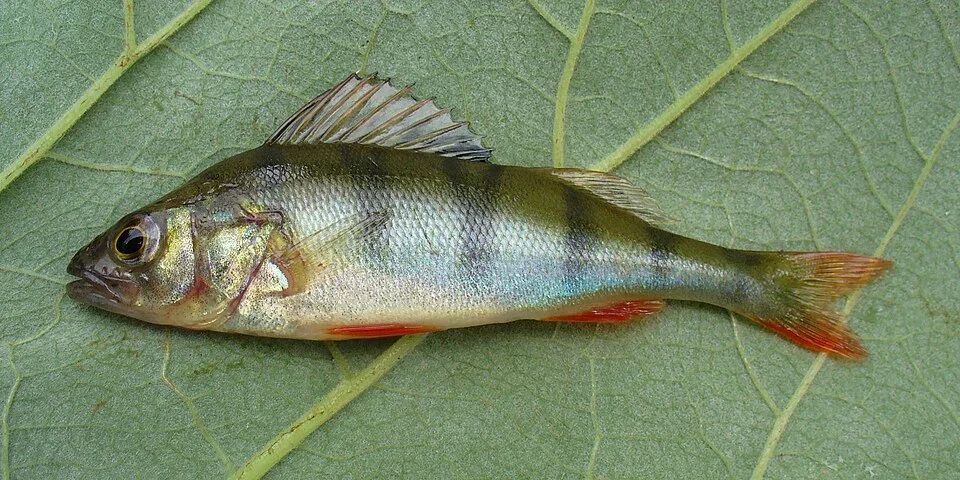
A schooling fish: when you find one, explore the surrounding area.
What to prepare
Use small lures and explore different depths before moving on.
An ambush predator. Look for weed edges, bays and changes in depth.
What to prepare
Match lure depth to the spot. Use a tooth-resistant leader and a long unhooking tool.
This guide focuses on fishing at stocked trout waters.
What to prepare
Check permitted lures and release rules. Rules for a managed fishery do not apply automatically to wild rivers.
A useful species for exploring float and feeder fishing.
What to prepare
Start with small baits and match rig weight to current and distance.
A fish of vegetated waters, well suited to exploring light float tackle.
What to prepare
Explore gaps in the vegetation with a light rig and a landing net.
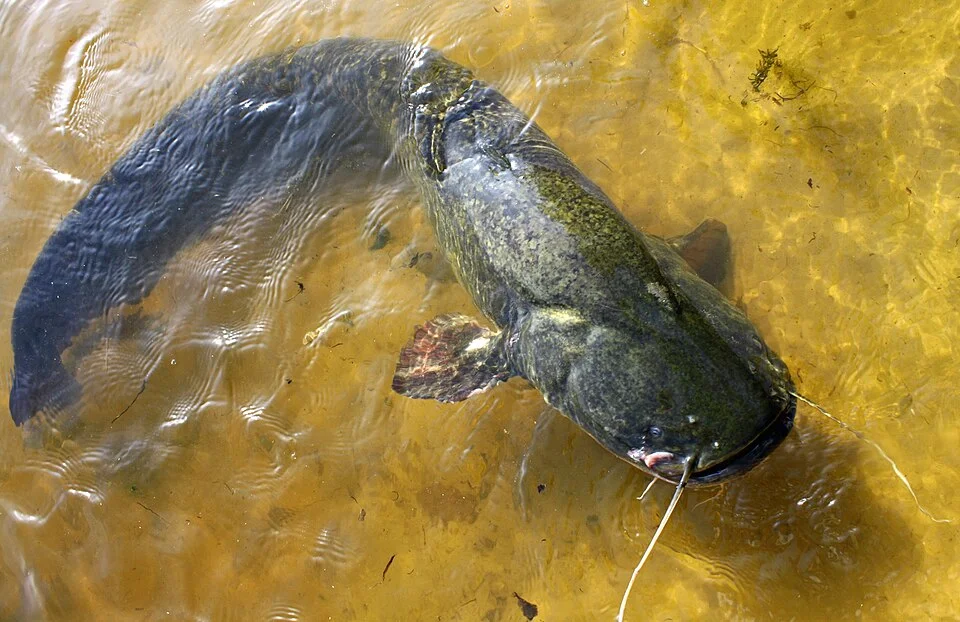
A large freshwater predator. Start with a suitable spot and reliable equipment.
What to prepare
Match tackle to the fish. Prepare unhooking tools and a suitable landing area.
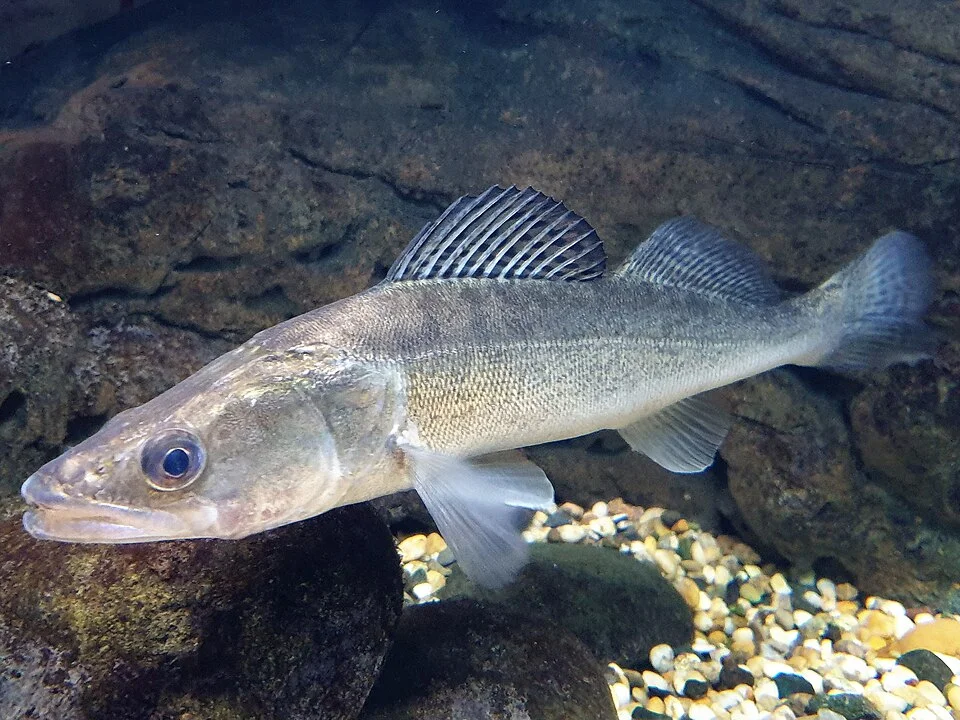
A predator often sought near changes in depth.
What to prepare
Keep track of the bottom and use a suitable rig weight. Check night access restrictions separately.
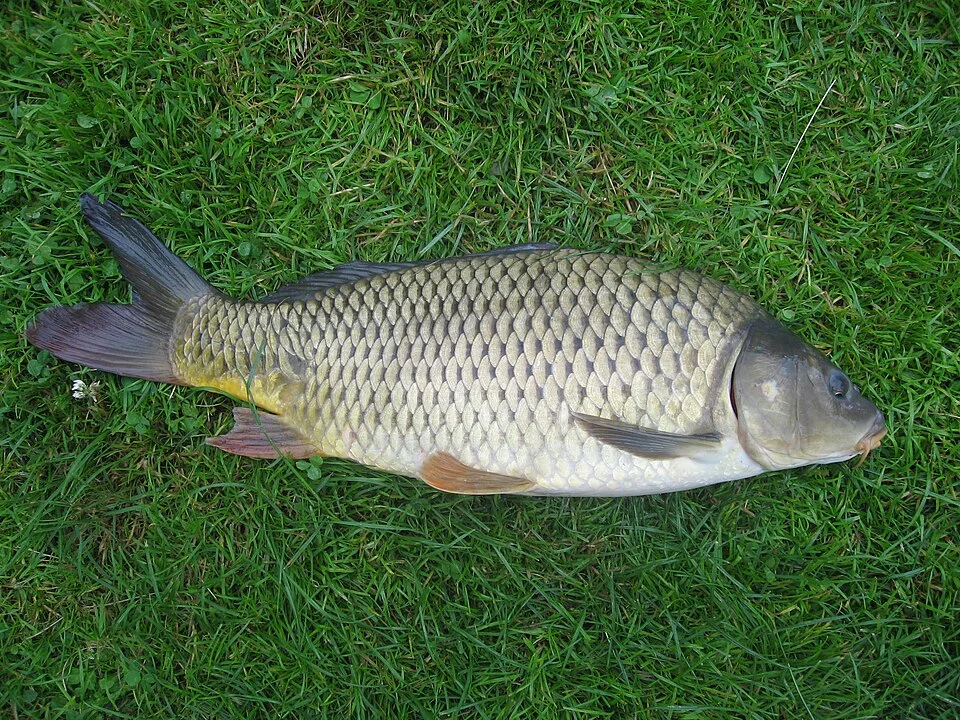
A bottom-feeding fish associated with warmer water. Start with the lake rules and bottom features.
Local conditions may differ. Consider water temperature and the rules for the specific waterbody.
What to prepare
Feed sparingly and use a landing net and unhooking mat to handle fish carefully.
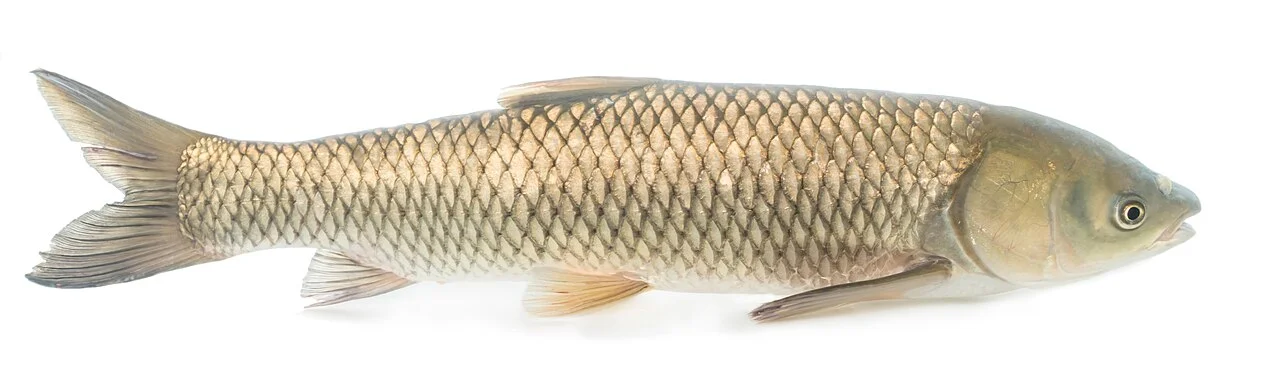
A herbivorous fish raised in pond aquaculture.
Local conditions may differ. Consider water temperature and the rules for the specific waterbody.
What to prepare
Check stocking, permitted baits and fish-handling rules. Bring a suitable landing net.
A familiar fish of ponds and quiet bays. Activity depends on water temperature and the particular waterbody.
Local conditions may differ. Consider water temperature and the rules for the specific waterbody.
What to prepare
Start with a light float rig and a small amount of feed.
A separate topic for stocked-water fishing and specialist rigs.
Local conditions may differ. Consider water temperature and the rules for the specific waterbody.
What to prepare
Ask the operator about permitted rigs and methods. Prepare a landing net and landing area.
A fish of quiet, vegetated waters. Choose a small area carefully.
Local conditions may differ. Consider water temperature and the rules for the specific waterbody.
What to prepare
Try a light float or bottom rig and avoid overfeeding the spot.